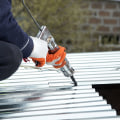
When it comes to roofing, asphalt shingles have emerged as one of the most popular choices for homeowners due to their affordability, durability, and aesthetic appeal. However, the installation process for asphalt shingles is a critical aspect that can significantly impact the performance and longevity of your roof. Understanding the intricacies of this process is essential not only for ensuring a safe and effective installation but also for maximizing the lifespan of your roofing investment. In this article, we will delve into the various steps involved in the installation process for asphalt shingles, providing you with valuable insights and tips that can help you navigate through this often complex task. Whether you are a seasoned DIY enthusiast or a first-time homeowner considering a roofing project, knowing what to expect during installation can make all the difference. From preparing your roof deck to selecting the right materials, every step plays a pivotal role in achieving a successful installation.
As we explore each phase of the process, you'll gain a comprehensive understanding of best practices and common pitfalls to avoid. So, join us as we uncover the essential details of installing asphalt shingles, ensuring that your roof not only looks great but also stands the test of time. Asphalt shingles have become one of the most popular roofing materials in recent years, primarily due to their affordability, durability, and aesthetic appeal. Homeowners are increasingly drawn to these shingles for their versatility and ease of installation. However, understanding the As we explore each phase of the process, you'll gain a comprehensive understanding of best practices and common pitfalls to avoid. So, join us as we uncover the essential details of installing asphalt shingles, ensuring that your roof not only looks great but also stands the test of time. Asphalt shingles have become one of the most popular roofing materials in recent years, primarily due to their affordability, durability, and aesthetic appeal. Homeowners are increasingly drawn to these shingles for their versatility and ease of installation. However, understanding the installation process for asphalt shingles is crucial for anyone considering this roofing option, whether they plan to undertake a DIY project or hire a professional contractor.
Proper installation is essential for ensuring the longevity and effectiveness of the roof, making it a vital step in home maintenance. The first step in the installation process for asphalt shingles is preparing the roof. This involves several key actions, including removing old roofing materials, inspecting the roof deck for damage, and making necessary repairs before proceeding. A solid and clean roof deck is critical, as it serves as the foundation for the new shingles. Homeowners should check for any signs of rot or water damage that could compromise the integrity of the new roofing system. Once the roof deck is prepared, it's time to gather the necessary tools and materials required for the job.
Essential tools include a hammer or nail gun, utility knife, roofing shovel, chalk line, and measuring tape. Additionally, homeowners should ensure they have safety gear such as gloves and goggles. The primary materials needed are the asphalt shingles themselves, underlayment (such as felt or synthetic material), flashing for areas like chimneys and vents, and nails specifically designed for roofing. Having all these tools and materials on hand before starting can streamline the installation process. The step-by-step installation instructions begin with laying down underlayment on the roof deck.
This layer acts as an additional barrier against moisture and is critical for protecting the wood beneath. Start at the bottom edge of the roof and work your way up, overlapping each row to ensure water drains off effectively. Next, it’s time to install the asphalt shingles. Begin at one corner of the roof, again working from the bottom up. Each shingle should be nailed down according to manufacturer specifications, typically using four to six nails per shingle depending on wind ratings.
When installing shingles on a sloped roof, it’s essential to stagger them properly to prevent water infiltration between seams. For roofs with valleys or hips, specialized cut shingles may be necessary to ensure proper fit and protection against leaks. When dealing with different roofing structures, such as gable roofs versus hip roofs, adaptations in installation techniques may be required. Gable roofs allow for straightforward installation since they have two sloping sides meeting at a peak. In contrast, hip roofs have slopes on all four sides which can complicate shingle placement; thus, it’s vital to ensure a proper alignment throughout the process. As with any home improvement project, there are common pitfalls to avoid during the installation process for asphalt shingles.
One major mistake is failing to check local building codes and regulations regarding roofing materials and installation practices. Additionally, not accounting for weather conditions can lead to problems; it’s not advisable to install shingles during rain or extreme temperatures as this can affect adhesion and performance. Acknowledging varying opinions on DIY versus professional installation is essential when discussing asphalt shingle roofing. While some homeowners may feel confident in their ability to complete the project themselves, others may prefer hiring a contractor due to concerns about quality and safety. DIY projects can save money but require significant time and effort; homeowners must weigh their skill level against potential challenges they may encounter during installation.
On the other hand, hiring a professional can provide peace of mind that the job will be done correctly but often comes at a higher cost. In conclusion, understanding every aspect of the installation process for asphalt shingles is crucial for homeowners seeking durability and longevity from their roofs. From preparation through execution and avoiding common mistakes, careful planning leads to successful outcomes whether you choose to tackle it yourself or hire a contractor.
Preparing Your Roof for Asphalt Shingles
Before embarking on the journey of installing asphalt shingles, it is essential to properly prepare your roof. This preparation not only ensures a successful installation but also contributes to the longevity and effectiveness of your roofing system. First, assess the current roof condition. Examine for any visible signs of damage, such as missing shingles, leaks, or sagging areas.A thorough inspection will help determine whether your roof deck is in good shape or if repairs are necessary. If you find damaged sections, they should be replaced or repaired before proceeding with the installation of new asphalt shingles.Next, consider the importance of proper measurements. Accurate measurements of your roof will help you calculate the amount of material needed, minimizing waste and ensuring a seamless installation. Measure the length and width of each section of the roof, accounting for features like chimneys, vents, and valleys. In summary, taking the time to evaluate the condition of your roof and making necessary repairs, along with obtaining precise measurements, sets a solid foundation for your asphalt shingles installation.
By addressing these critical steps, homeowners can enhance the performance and durability of their new roofing system.
Common Mistakes to Avoid
When undertaking the installation process for asphalt shingles, avoiding common mistakes is crucial to ensure a successful roofing project. Many homeowners may not realize that even small oversights can lead to significant issues down the line. One of the most frequent errors is improper underlayment installation. The underlayment serves as a protective barrier against moisture, so it’s vital to ensure it is laid down correctly. Overlapping seams and insufficient coverage can result in leaks.Always follow manufacturer guidelines for installation to avoid this mistake. Another common mistake is poor ventilation. Proper ventilation is essential for maintaining the longevity of your roof. Inadequate airflow can lead to heat buildup, causing the shingles to deteriorate prematurely. Make sure to install ridge vents and soffit vents as part of your roofing system. Additionally, failing to account for weather conditions can be detrimental.
Installing shingles during rainy or extremely hot weather can compromise their effectiveness. It’s best to schedule your installation on a clear day with moderate temperatures. Lastly, neglecting to secure shingles correctly is a frequent error that can lead to wind damage. Ensure that you are using the appropriate number of nails per shingle, as specified by the manufacturer, and that they are driven flush with the surface. By being aware of these common pitfalls and taking steps to prevent them, you can ensure that your asphalt shingles are installed correctly, enhancing their durability and performance.
Maintenance Tips for Asphalt Shingle Roofs
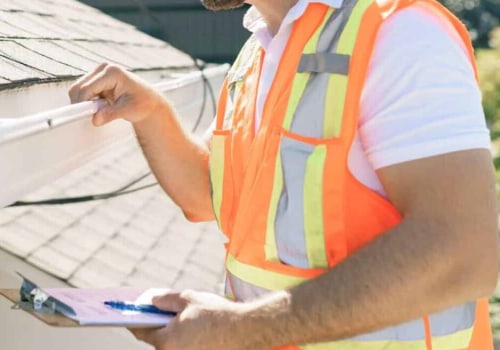
Maintaining your asphalt shingle roof is essential to ensure its longevity and effectiveness. Here are some valuable tips to help you keep your roof in top condition:Regular Inspections: Conduct regular inspections of your roof, at least twice a year, and after severe weather events.Look for missing or damaged shingles, signs of wear, or any buildup of debris.
Keep Gutters Clean
: Clogged gutters can lead to water pooling on your roof, which can cause damage over time. Regularly clean your gutters and downspouts to ensure proper water drainage.Remove Debris
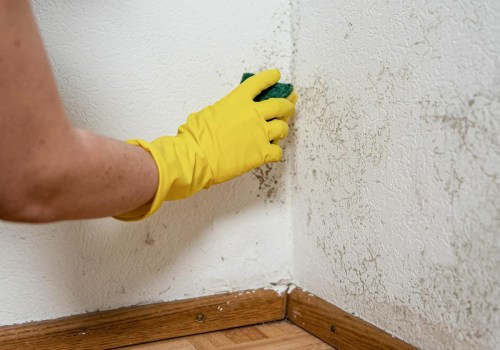
: Leaves, branches, and other debris can trap moisture and lead to mold and algae growth. Make it a habit to remove debris from your roof and surrounding areas.Trim Overhanging Branches
: Overhanging tree branches can scratch the shingles and increase the risk of falling debris during storms. Trim any branches that may pose a threat to your roof.Monitor for Algae and Moss
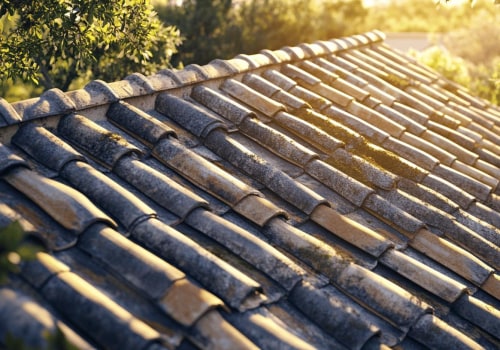
: Algae and moss can grow on asphalt shingles, especially in shaded areas.If you notice any growth, consider using a specialized cleaner or contacting a professional for removal.
Check Flashing and Seals
: Inspect the flashing around chimneys, vents, and skylights for any signs of damage or deterioration. Properly sealed flashing is crucial for preventing leaks.Address Repairs Promptly
: If you find any issues during your inspections, address them promptly to prevent further damage. Whether it’s a small leak or a missing shingle, timely repairs can save you money in the long run. By following these maintenance tips, homeowners can extend the lifespan of their asphalt shingle roofs and ensure they remain functional and visually appealing for years to come.Tools and Materials Needed
Before embarking on the installation process for asphalt shingles, it is essential to gather all the necessary tools and materials to ensure a smooth and efficient job. Below is a list of the key items required:Tools:- Roofing Nailer: This pneumatic tool is essential for securing shingles quickly and efficiently.
- Hammer: A standard hammer may be used for hand-nailing shingles, particularly in areas where a roofing nailer cannot reach.
- Utility Knife: This tool is used for cutting shingles to size and trimming any excess materials.
- Measuring Tape: Accurate measurements are crucial for proper alignment and layout of shingles.
- Chalk Line: This tool helps create straight lines on the roof for precise shingle placement.
- Ladder: A sturdy ladder is necessary for accessing the roof safely.
- Safety Harness: For safety, especially when working at heights, a harness can prevent falls.
- Asphalt Shingles: The primary material needed for roofing; ensure you have enough to cover the entire roof area.
- Underlayment: A protective layer placed beneath shingles to provide extra waterproofing.
- Nails: Special roofing nails are designed for securing asphalt shingles and should be rust-resistant.
- Flashing: This material is used around chimneys, vents, and other protrusions to prevent leaks.
This includes gloves, safety glasses, and non-slip footwear to protect against potential hazards. Having the right tools and materials at hand will not only facilitate a successful installation but also enhance safety on the job site.
Hiring a Contractor vs. DIY Installation
When it comes to the installation process for asphalt shingles, homeowners often face the decision of whether to hire a professional contractor or tackle the project themselves. Each option has its own set of advantages and disadvantages that can influence the final outcome and overall satisfaction.Pros of Hiring a Contractor:
One of the main benefits of hiring a professional is their expertise.Contractors have extensive training and experience, which means they are familiar with local building codes, best practices, and potential challenges that may arise during installation. This expertise can lead to a quicker and more efficient installation process, ultimately saving you time. Additionally, professionals often provide warranties for their work, giving you peace of mind regarding the quality and longevity of the installation.
Cons of Hiring a Contractor:
On the downside, hiring a professional can be significantly more expensive than a DIY approach. Labor costs can add up quickly, making this option less appealing for homeowners on a tight budget.Furthermore, finding a reputable contractor requires research and may involve additional delays as you wait for availability.
Pros of DIY Installation:
Taking on the installation process for asphalt shingles yourself can be a cost-effective solution. You can save on labor costs and potentially invest that money into higher quality materials. Additionally, DIY projects can provide a sense of accomplishment and allow you to customize the installation according to your preferences.Cons of DIY Installation:
However, the DIY route is not without its challenges. Without the necessary skills and knowledge, you may encounter difficulties that could lead to mistakes, compromising the roof's integrity and longevity.Moreover, the time commitment for a DIY project can be significant, especially if you are juggling other responsibilities or lack experience in roofing work. Ultimately, the decision between hiring a contractor or undertaking a DIY installation depends on your budget, skill level, and available time. Weighing these factors carefully will help you determine the best approach for your asphalt shingles installation project.
Step-by-Step Installation Process
The installation process for asphalt shingles is a crucial aspect that ensures the durability and performance of your roof. Below is a detailed walkthrough of the steps involved in the installation, providing clarity for both DIY enthusiasts and those working with a contractor.1.Prepare the Roof Deck:
Before starting the installation, ensure that the roof deck is clean, dry, and free from any debris. Inspect for any damages or rot and make necessary repairs.This step is vital as it provides a solid foundation for the shingles.
2.Install Underlayment:
Lay down a waterproof underlayment over the entire roof deck. Start from the bottom edge and work your way up, overlapping each row by at least 4 inches. This underlayment acts as an additional barrier against moisture and helps protect the roof deck.3.Install Starter Shingles:
Begin by placing starter shingles along the eaves of the roof. These shingles should overhang the edge by about ¼ inch to allow water runoff.Ensure they are aligned straight to create a solid base for the first row of regular shingles.
4.Lay the First Row of Shingles:
Start installing the first row of shingles directly above the starter shingles, ensuring they are aligned with the edges. Use roofing nails to secure each shingle, placing them at least 6 inches apart and avoiding nailing too close to the edges.5.Continue Shingle Installation:
Progressively install subsequent rows of shingles, staggering the seams between rows by at least 6 inches to enhance waterproofing. Maintain consistent alignment and nail placement as you work up the roof.6.Install Ridge Cap Shingles:
Once you reach the peak of the roof, install ridge cap shingles over the top to cover and seal this vulnerable area. Each ridge cap should be placed with a slight overlap to ensure complete protection against wind-driven rain.7.Final Inspection:
After all shingles are installed, conduct a thorough inspection of your work.Check for any loose shingles, exposed nails, or areas that may require additional sealing. Proper finishing touches can greatly enhance the longevity of your roof. This step-by-step installation process for asphalt shingles is designed to guide you through each phase, ensuring clarity and effectiveness in achieving a well-installed roof. In this article, we have explored the essential steps involved in the installation process for asphalt shingles, from preparing your roof to the tools and materials needed. We highlighted a detailed step-by-step installation process, common mistakes to avoid, and the considerations for choosing between DIY installation and hiring a contractor. Each of these elements plays a crucial role in ensuring that your roof not only looks great but also performs effectively over time. The significance of proper installation cannot be overstated.
It directly impacts the durability and performance of your roofing system. A well-installed roof can withstand harsh weather conditions, providing peace of mind for homeowners. As you contemplate your roofing project, consider both DIY and professional options, weighing the pros and cons based on your unique circumstances. Remember that regardless of your choice, prioritizing maintenance after installation is vital for maximizing the lifespan of your asphalt shingles.