Your roof is not just a protective barrier against the elements; it is also a vital component of your home's overall aesthetic and structural integrity. Unfortunately, roofs can become a breeding ground for unsightly moss and algae growth, which not only detracts from your home's curb appeal but can also lead to significant long-term damage. If left unchecked, these organisms can cause roofing materials to deteriorate faster, leading to costly repairs and replacements. Therefore, understanding effective strategies for preventing moss and algae growth on your roof is essential for every homeowner. This article will delve into practical and efficient methods to keep your roof clean and free from these unwanted nuisances.
We will explore various techniques, from regular maintenance practices to the application of specialized treatments, ensuring that you have all the tools you need to protect your investment. Whether you're dealing with a new roof or an older one showing signs of wear, our tips will help you maintain its integrity and appearance. So, if you're tired of looking at a greenish roof or want to avoid the headaches that come with moss and algae buildup, keep reading! The following sections will equip you with the knowledge necessary to keep your roof in pristine condition for years to come. Maintaining a clean roof is essential not only for aesthetics but also for the longevity of your home. A roof that is free from moss and algae growth can enhance curb appeal and prevent costly repairs. Neglecting this aspect of home maintenance can lead to significant issues, including damage to roofing materials, increased repair costs, and potential health risks from mold growth.
Studies have shown that roofs covered in moss or algae can experience a reduction in lifespan by as much as 50% due to the deterioration of shingles and other roofing materials. Several factors contribute to the growth of moss and algae. One major factor is moisture retention. Areas that do not receive adequate sunlight tend to stay damp for longer periods, creating an ideal environment for these organisms. This often occurs on roofs shaded by overhanging trees or nearby structures.
Furthermore, poor drainage systems can exacerbate moisture problems, allowing water to pool on the roof and encouraging moss and algae growth. The type of roofing material also plays a critical role in susceptibility to moss and algae. For instance, asphalt shingles are particularly vulnerable because they retain moisture and provide a suitable surface for spores to settle. On the other hand, metal roofs and certain types of tiles tend to resist growth better due to their smooth surfaces. Homeowners should consider these factors when selecting roofing materials or planning maintenance. Preventing moss and algae growth involves several proactive strategies.
One effective method is trimming overhanging branches. By allowing more sunlight to reach the roof, you can significantly reduce the moisture levels that encourage growth. Additionally, ensuring proper drainage is crucial; make sure gutters and downspouts are clear of debris so that water flows freely away from the roof. Installing moss-resistant roofing materials can further minimize the risk of moss and algae taking hold. Regular cleaning is another essential aspect of prevention.
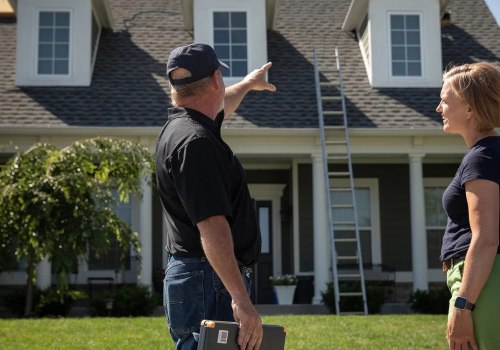
For DIY cleaning methods, homeowners can use a mixture of water and mild detergent or specialized roof cleaning solutions. Start by safely accessing the roof, either through a sturdy ladder or by hiring a professional service if you're uncomfortable with heights. Once on the roof, apply the cleaning solution using a sprayer or a soft-bristle brush, taking care not to damage the shingles. After letting the solution sit for 15-20 minutes, rinse thoroughly with water.
For those seeking natural alternatives, a mixture of vinegar and water can effectively kill moss and algae.While DIY methods can be effective, there are times when hiring a professional for roof maintenance or cleaning is necessary. If your roof has extensive growth, significant damage, or if you are unsure about accessing it safely, professional services can provide expertise and advanced cleaning techniques that may not be available to the average homeowner. Professionals often use specialized equipment and products that ensure thorough cleaning without risking damage to your roof. There are common misconceptions about .While DIY methods can be effective, there are times when hiring a professional for roof maintenance or cleaning is necessary. If your roof has extensive growth, significant damage, or if you are unsure about accessing it safely, professional services can provide expertise and advanced cleaning techniques that may not be available to the average homeowner. Professionals often use specialized equipment and products that ensure thorough cleaning without risking damage to your roof. There are common misconceptions about moss and algae growth. Many homeowners believe that once their roof has been overtaken by these organisms, it’s too late for preventative measures.
However, with timely intervention and regular maintenance, it’s possible to restore your roof's health. Testimonials from homeowners who have successfully implemented prevention strategies highlight this reality; many have shared stories of how simple steps like regular cleaning and proper tree management significantly improved their roofs' conditions. In conclusion, effectively preventing moss and algae growth on your roof requires understanding the contributing factors, selecting appropriate materials, implementing prevention methods, and knowing when to seek professional help. By taking these steps seriously, you can protect your investment while ensuring your home remains beautiful and safe for years to come.
Understanding Moss and Algae Growth
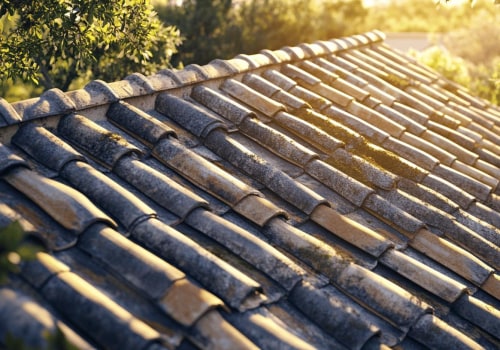
Moss and algae are common nuisances on roofs, thriving in damp, shaded environments where moisture is prevalent. The biological process of growth for these organisms begins with spores or cells being carried by wind or water.When these spores land on a suitable surface, such as a roof, they can quickly develop under the right conditions. Several environmental factors contribute to the growth of moss and algae. First, roofs that are consistently shaded by trees or nearby structures tend to retain moisture longer, creating an ideal habitat for these organisms. Additionally, roofs with poor drainage can accumulate water, further promoting growth. Factors like humidity and temperature also play crucial roles; warm, humid conditions are particularly conducive to the flourishing of algae, while cooler, moist climates are more favorable for moss.Once established, moss forms dense mats that can trap moisture against the roof surface, leading to potential damage over time.
Algae, on the other hand, often appears as dark streaks that can be unsightly and may indicate underlying moisture issues. Understanding these biological processes is essential for homeowners looking to implement effective strategies for prevention.
Preventative Measures for Homeowners
To effectively prevent moss and algae growth on your roof, it’s essential to consider the type of roofing material you have, as different materials may require specific approaches.Asphalt shingles
are particularly susceptible to moss and algae. To prevent growth, ensure that your roof has adequate sunlight exposure by trimming back overhanging branches. This allows sunlight to dry out the roof more quickly, creating a less hospitable environment for these organisms. For metal roofs, the smooth surface helps deter moss and algae; however, regular cleaning is still necessary.Use a mixture of water and vinegar or a commercial cleaner designed for metal roofs to wash away any early signs of growth. If your roof is made of wood shingles, applying a protective coating can inhibit moss and algae. Additionally, regular inspections are crucial; look for any areas where moisture may accumulate and address them promptly. Regardless of the roofing type, installing zinc or copper strips at the peak of the roof can significantly reduce moss and algae growth. When rain washes over these metals, it creates a chemical reaction that helps keep the roof cleaner. Regular maintenance is key. Schedule routine inspections and cleanings at least once a year to remove debris, leaves, and other organic matter that can retain moisture and promote growth.
By being proactive, homeowners can save on costly repairs and maintain the aesthetic appeal of their roofs.
DIY Cleaning Techniques
Cleaning your roof is an essential part of preventing moss and algae growth. There are several effective DIY methods you can use to restore your roof's appearance and protect it from damage. First, gather the necessary tools for the job. You will need a sturdy ladder, a soft-bristle brush or broom, a garden sprayer, safety goggles, and non-toxic cleaning solutions, such as a mixture of water and vinegar or a specialized roof cleaner. Before you begin, ensure safety by wearing non-slip shoes and using a harness if necessary when on the roof. Always work in dry conditions to avoid slipping and take care not to damage shingles while cleaning. Start by removing debris like leaves and branches from the roof surface.Once cleared, apply your cleaning solution using the garden sprayer. Allow the solution to sit for 15-20 minutes to effectively kill any moss and algae. After the solution has had time to work, use the soft-bristle brush to gently scrub the affected areas. Be sure to rinse the roof thoroughly with water afterward to remove any remaining cleaning solution and debris. For stubborn patches, you may need to repeat the process or invest in a more robust cleaning product specifically designed for roofs. Regular maintenance every few months can help prevent future growth of moss and algae, keeping your roof in good condition.
When to Call a Professional
While many homeowners can handle basic roof maintenance tasks, there are specific situations where hiring a professional roofing contractor is advisable to ensure safety and effectiveness.Preventing moss and algae growth can sometimes require specialized skills and equipment that the average homeowner may not possess. One scenario that calls for professional help is when the moss and algae growth has become extensive. If you notice large patches of moss or algae covering your roof, attempting to remove it yourself could lead to damage. Professionals have the expertise to safely clean your roof without causing harm to the shingles or other materials. Another situation is when your roof has sustained damage or is aging. If your roof shows signs of wear, such as missing shingles or leaks, it’s crucial to consult a professional.
They can assess the condition of your roof and provide appropriate treatments or repairs to prevent further issues. Additionally, if your home is situated in an area with high humidity or heavy rainfall, this increases the likelihood of moss and algae growth. Regular inspections by a roofing contractor can help you stay ahead of potential problems, ensuring that your roof remains in optimal condition. Lastly, if you are unsure about the right cleaning products or methods to use, a professional can offer guidance tailored to your specific roofing material. Using incorrect methods can not only fail to resolve the issue but may also void warranties on roofing materials. In summary, while routine maintenance can often be handled by homeowners, consulting a professional is advisable in cases of extensive growth, visible damage, environmental factors, or uncertainty about proper cleaning techniques. In conclusion, maintaining a clean roof is essential for both aesthetics and longevity.
Preventing moss and algae growth
not only enhances the visual appeal of your home but also protects your investment against potential damage.As discussed, neglecting roof maintenance can lead to significant issues, including costly repairs and health risks associated with mold growth. The article highlighted effective preventative measures that homeowners can implement, from regular inspections to proper drainage solutions. Additionally, we explored DIY cleaning techniques for tackling minor infestations and emphasized the importance of knowing when to seek professional help. By taking proactive steps, you can ensure your roof remains in optimal condition, safeguarding your home for years to come. We encourage you to implement the tips provided and stay vigilant in your roof maintenance efforts.