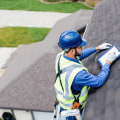
Embarking on a roofing installation can be both an exciting and daunting task. Whether you're a seasoned DIY enthusiast or a first-time homeowner, understanding the intricacies involved in Finalizing the installation is crucial for achieving a durable and aesthetically pleasing roof. As you approach the final stages of your roofing project, it’s essential to ensure that every detail is meticulously attended to, as these last steps can significantly impact the longevity and performance of your new roof. In this guide, we will walk you through the vital final steps of the roofing installation process. From ensuring proper sealing and flashing to conducting thorough inspections, each aspect plays a pivotal role in safeguarding your investment against leaks, weather damage, and premature wear.
Additionally, we’ll cover best practices to help you maintain your roof long after the installation is complete. Join us as we delve into the essential elements that contribute to a successful roofing installation. By understanding these final steps, you can confidently move forward knowing that your roof is not just installed, but installed correctly. Read on to discover how to finalize your roofing project with precision and care. Finalizing the installation process is critical to ensure the longevity and performance of your roof. One of the first steps in this phase is selecting the right roofing materialsselecting the right roofing materials.
The choice of materials can greatly influence the durability, energy efficiency, and overall aesthetics of your roof. For instance, asphalt shingles are one of the most common options due to their affordability and ease of installation. They provide good protection against weather elements but may require replacement more frequently than other materials. On the other hand, metal roofing offers exceptional durability, with a lifespan that can exceed 50 years.
Metal roofs are also energy-efficient, reflecting sunlight and reducing cooling costs in warmer climates. Understanding the properties of each material allows homeowners to make informed decisions that align with their budget and long-term goals. Once you have decided on the roofing materials, the next crucial step is hiring qualified contractors. A skilled contractor can make all the difference in the quality of your installation. When selecting a contractor, look for those with a solid reputation, verified credentials, and extensive experience in the type of roofing you choose.
It's essential to check references and read reviews from previous clients. Additionally, ask potential contractors about their licensing, insurance, and warranty offerings. A reputable contractor should provide a detailed estimate and be willing to communicate openly about the entire installation process. After installing your roof, ongoing maintenance is key to ensuring its longevity. Routine inspections should be scheduled at least twice a year and after severe weather events.
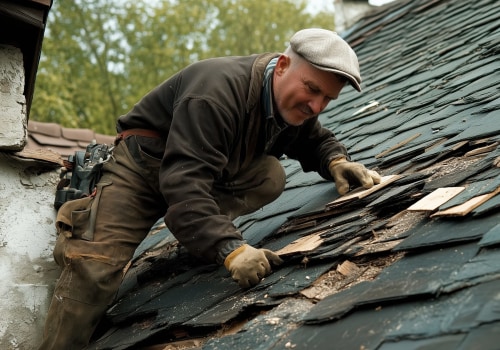
Homeowners should check for any visible signs of damage, such as missing shingles or leaks. Keeping gutters clear of debris is also crucial; clogged gutters can lead to water pooling on the roof and cause significant damage over time. In addition to routine inspections, it’s vital to address common repair issues promptly. For example, if you notice a small leak, it’s best to fix it immediately before it escalates into a more significant problem that could compromise your home’s integrity. Homeowners may encounter issues such as loose flashing or damaged vent boots which can lead to leaks if not addressed quickly.
Having a basic understanding of these common problems will help you take swift action and potentially save on costly repairs. For those inclined towards DIY methods, there are several proactive measures you can take for roof inspection and maintenance. Start with a visual inspection from the ground; use binoculars to examine the roof for any abnormalities. Look for curling or missing shingles and check for rust spots if you have a metal roof. You can also safely access your roof using a sturdy ladder to inspect its condition closely; however, exercise caution at all times. Empowering yourself with knowledge about your roof not only helps in identifying issues early but also allows you to engage better with contractors when repairs or maintenance are necessary.
Keep a checklist handy for contractor interviews that includes questions about their experience with specific roofing materials, timelines for project completion, and how they handle unforeseen issues during installation. In conclusion, finalizing the installation process involves careful consideration of various aspects from selecting roofing materials to hiring reputable contractors and maintaining your roof effectively post-installation. By following these guidelines, homeowners can ensure their new roofs remain in excellent condition for years to come.
Hiring Qualified Roofing Contractors
When it comes to finalizing the installation of your roof, one of the most critical steps is hiring qualified roofing contractors. The right contractor can make a significant difference in the quality and durability of your roofing project. Here are some key factors to consider when selecting a contractor:Licensing is essential.Ensure that any contractor you consider is fully licensed to operate in your state. This not only indicates their professionalism but also ensures they have met the necessary requirements to perform roofing work legally.
Insurance
is another crucial factor. Verify that the contractor carries both liability insurance and workers' compensation coverage. This protects you from potential liabilities should any accidents occur during the installation process. Additionally, take the time to read reviews from previous clients.Look for testimonials and ratings on reputable sites. Positive feedback can provide insight into the contractor's reliability, quality of work, and customer service. By focusing on these factors—licensing, insurance, and client reviews—you can make an informed decision and ensure a successful roofing installation.
Post-Installation Maintenance Tips
Once your roofing installation is complete, finalizing the installation process doesn't end there. Proper post-installation maintenance is crucial for ensuring the longevity and performance of your new roof. Here are some essential maintenance practices to keep in mind:Regular Inspections: Schedule periodic inspections of your roof, ideally twice a year and after major storms.Look for signs of wear, damage, or debris accumulation that could affect your roof's integrity.
Cleaning Gutters:
Keep your gutters clean and free from leaves and debris. Clogged gutters can lead to water backup and potential leaks, which can damage not only your roof but also the structure of your home.Addressing Minor Repairs Promptly:
If you notice any minor issues such as missing shingles or small leaks, address them immediately. Taking care of these problems early can prevent more significant and costly repairs down the line. By incorporating these maintenance practices into your routine, you can help ensure that your roof remains in optimal condition for many years to come.Common Repair Solutions
Homeowners may encounter a variety of roofing problems that can affect the integrity and longevity of their roofs.Leaks
are among the most common issues, often caused by damaged shingles, improper flashing, or wear and tear over time.To address leaks, it is essential to locate the source of the problem and repair or replace any damaged materials promptly. Regular inspections can help identify potential leaks before they become significant issues. Another frequent problem is damaged shingles. This can occur due to severe weather conditions, falling debris, or general aging. Homeowners should regularly check their roofs for cracked, curled, or missing shingles.
Replacing damaged shingles quickly can prevent further water damage and extend the roof's lifespan.
Ponding water
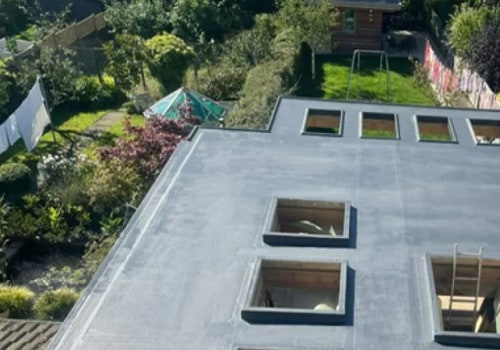
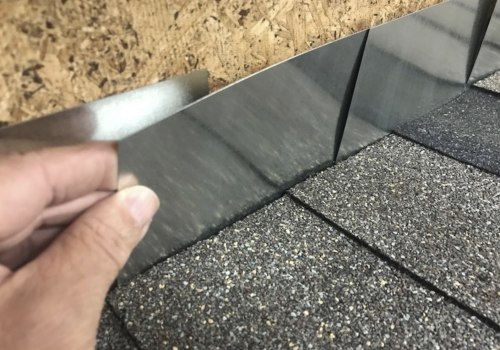
is another concern, particularly in flat roofing systems. This issue arises when water accumulates in low areas and does not drain properly. To resolve this, homeowners should ensure their gutters and downspouts are clear and functioning correctly, and consider adding drainage solutions to redirect water away from the roof. Additionally, mold and algae growth can be problematic, especially in humid climates. These growths can cause discoloration and deterioration of roofing materials.Homeowners can clean their roofs with a mixture of water and bleach or hire professionals for a more thorough cleaning. Lastly, flashing issues around chimneys, vents, and skylights can lead to leaks if not properly installed or maintained. Regularly inspecting and maintaining flashing is crucial to ensuring these areas remain watertight. If homeowners notice rust or gaps, they should repair or replace the flashing as soon as possible. By recognizing these common roofing problems and implementing practical solutions, homeowners can protect their investment and ensure their roofs remain in excellent condition.
Choosing the Right Roofing Materials
When it comes to finalizing the installation of your roof, one of the most crucial steps is choosing the right roofing materials. The materials you select will significantly impact not only the aesthetic appeal of your home but also its durability and energy efficiency.In this section, we will explore various roofing materials, including asphalt shingles, metal roofs, and tiles, outlining their advantages and disadvantages.
Asphalt shingles
are one of the most popular roofing materials due to their affordability and ease of installation. They come in a variety of colors and styles, allowing homeowners to customize their roofs. However, while asphalt shingles are cost-effective, they may have a shorter lifespan compared to other materials, typically lasting around 15 to 30 years. Additionally, they are susceptible to damage from extreme weather conditions.Metal roofs
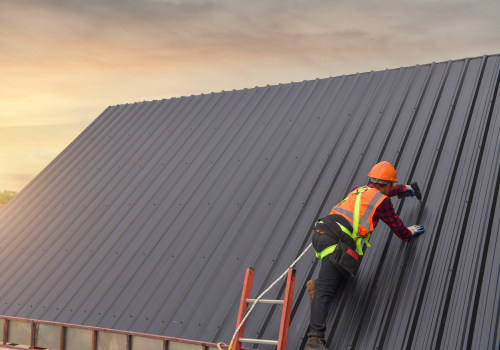
have gained popularity in recent years due to their longevity and energy efficiency.These roofs can last 50 years or more with proper maintenance. Metal roofs reflect solar heat, helping to reduce cooling costs in warmer climates. However, they can be more expensive upfront than asphalt shingles, and installation requires skilled contractors to ensure proper sealing and insulation.
Tiles
, such as clay or concrete tiles, offer a unique aesthetic that can enhance the beauty of your home. They are extremely durable and can withstand harsh weather conditions, making them ideal for homes in areas prone to severe storms.One downside is that they are heavier than other roofing materials, which may require additional structural support. Furthermore, tile roofs can be one of the more expensive options available. Ultimately, selecting the right roofing material is essential for finalizing the installation process effectively. Consider factors such as your budget, local climate, and the architectural style of your home when making your choice.
DIY Roof Inspection Techniques
Conducting a roof inspection is crucial in finalizing the installation process. It helps identify any damage or wear that could affect the roof's longevity and performance.Below is a step-by-step approach to inspecting your roof effectively.
Step 1: Gather Your Tools
Before you start, make sure you have the necessary tools. Essential items include a sturdy ladder, a flashlight, a tape measure, a notepad, and a smartphone or camera for documenting findings. Don’t forget to wear safety gear such as gloves and non-slip shoes.Step 2: Safety First
Always prioritize safety during your inspection. Use a reliable ladder and ensure it is placed on stable ground.If you feel uncomfortable on the roof or if it’s too steep, consider hiring a professional for the inspection.
Step 3: Visual Inspection from the Ground
Start by inspecting the roof from the ground. Look for any visible signs of damage such as missing shingles, sagging areas, or discoloration. Use binoculars for a closer look at hard-to-reach areas.Step 4: Inspecting the Roof Surface
If safe to do so, carefully climb onto the roof. Check for damaged or missing shingles, and look for signs of wear such as curling edges or granule loss.Pay attention to flashing around chimneys and vents; ensure they are intact and sealed properly.
Step 5: Examine Gutters and Downspouts
Inspect gutters and downspouts for debris buildup, which can lead to water damage. Clear out any leaves or dirt to allow proper drainage and check for any leaks in the system.Step 6: Document Your Findings
As you conduct your inspection, take notes and photographs of any issues you find. This documentation will be valuable when discussing repairs with contractors or assessing whether further action is needed.Step 7: Follow Up on Repairs
If you discover any problems during your inspection, make sure to address them promptly. Contact a reliable contractor if repairs are needed to ensure your roof remains in top condition. By following these steps, you can successfully inspect your roof and contribute to the overall health of your roofing system as you finalize the installation.In conclusion, we have explored the essential aspects of finalizing the installation process for your roof.From choosing the right roofing materials to hiring qualified roofing contractors, each step plays a critical role in ensuring the longevity and performance of your roof. We also discussed valuable post-installation maintenance tips, effective DIY roof inspection techniquesDIY roof inspection techniques, and common repair solutions that can help you maintain your roof in optimal condition. As you move forward, remember that careful planning and execution are paramount in finalizing the installation. Whether you opt to conduct a personal inspection or reach out to professional contractors, taking action based on the insights provided will ensure that your roofing project is a success.