Are you considering a roofing upgrade that combines durability, aesthetic appeal, and long-term value? Look no further than tile roofing. This time-honored roofing material has stood the test of time, offering homeowners a unique blend of style and resilience. Whether you are building a new home or renovating an existing structure, understanding the intricacies of tile installation is crucial. In this article, we will provide you with essential installation tips for tile roofing that will ensure your project is not only successful but also enhances the overall beauty and functionality of your home. Tile roofing, known for its distinctive appearance and exceptional longevity, can be a fantastic investment.
However, the installation process requires careful planning and attention to detail. From selecting the right materials to ensuring proper drainage and ventilation, there are numerous factors to consider. Whether you're a seasoned DIY enthusiast or a homeowner looking to hire professionals, having a solid grasp of these installation tips will empower you to make informed decisions. Join us as we delve into the world of tile roofing installation. With our expert guidance, you'll navigate through common challenges, learn best practices, and discover how to achieve a stunning and enduring roof that elevates your home's curb appeal.
Let’s explore the essential tips that will set you on the path to successful tile roofing installation!Tile roofing is a popular choice among homeowners due to its numerous benefits, including durability, aesthetic appeal, and energy efficiency. To ensure that these advantages are realized, proper installation is critical. This guide will outline key aspects of tile roofing installation that every homeowner should consider. Before beginning the installation process, it is essential to undertake several preparation steps. First, inspect the existing roof structure to assess its condition.
Ensure that it can support the weight of tile roofing, as tiles are heavier than other roofing materials. If any structural issues are found, they must be addressed before proceeding. Next, choosing the right type of tile is crucial. Options include clay, concrete, and slate, each with its unique benefits and aesthetic appeal.
Homeowners should consider local climate factors as well; for example, clay tiles may be more suitable for dry climates, while concrete tiles offer better performance in areas with heavy rainfall. Once the preparations are complete, the next step involves installing underlayment and flashings. The underlayment acts as a secondary barrier against moisture, so it is important to choose a high-quality product that is compatible with tile roofs. Lay the underlayment horizontally across the roof deck, overlapping the seams to ensure water runoff is directed away from the roof structure. Flashings should be installed at all valleys, ridges, and roof penetrations to prevent water infiltration.
Ensure that these components are properly sealed to minimize the risk of leaks. Securing the tiles correctly is critical to prevent wind damage and ensure longevity. Begin by placing the first row of tiles at the eaves, making sure they are aligned properly. As you install subsequent rows, stagger the joints between tiles to enhance structural integrity and aesthetic appeal. Use appropriate fasteners specified by the manufacturer to secure each tile; this typically involves using clips or screws designed specifically for tile roofing.
Always follow the manufacturer's guidelines regarding installation techniques and fastener specifications to avoid costly mistakes. If a DIY approach isn’t feasible, hiring qualified contractors can help ensure a successful installation. Look for professionals with experience in tile roofing installation. Check their credentials and ask for references from previous clients to assess their reliability and workmanship. A reputable contractor will also be familiar with local building codes and will ensure that all work meets regulatory standards. Throughout the installation process, it’s important to be aware of common mistakes that can lead to issues down the line.
One frequent error is failing to install adequate ventilation, which can trap moisture and lead to mold growth or structural damage. Another mistake is neglecting to properly seal flashings and underlayment, which can result in leaks. Always adhere to manufacturer guidelines to mitigate these risks. Real-world examples highlight the importance of proper installation; for instance, a homeowner who installed tiles without adequate underlayment experienced significant leaks during heavy rainfall, resulting in costly repairs. Ensuring that all components are installed correctly can prevent such scenarios. Finally, while tile roofs are renowned for their durability, they do require some maintenance over time.
Regular inspections should be conducted to check for cracked or missing tiles and potential debris buildup in gutters or valleys. Addressing minor repairs promptly can extend the lifespan of your tile roof significantly. If repairs are needed, consider consulting a professional who specializes in tile roofing to ensure that any work done aligns with best practices. In conclusion, following these essential tips for installing tile roofing can help homeowners achieve a beautiful and long-lasting roof that enhances their property's value while addressing potential concerns about cost and maintenance.
Common Issues and Repair Solutions
While tile roofing is renowned for its durability and aesthetic appeal, it is not without its common issues. Understanding these problems and their solutions is crucial for maintaining the integrity of your roof. One prevalent issue is cracked tiles.This can occur due to extreme weather conditions or improper installation. To address cracked tiles, inspect the roof regularly and replace any damaged tiles promptly to prevent water infiltration. Another concern is leaks. Leaks often develop around flashing, which can deteriorate over time. If you notice any signs of water damage inside your home, it’s essential to conduct a thorough inspection of the flashing and surrounding tiles.
Replacing or resealing the flashing can effectively resolve this issue.
Shifting tiles
can also pose a problem, particularly in high-wind areas. To fix shifting tiles, it may be necessary to reset them or apply adhesive to ensure they remain in place. Regular maintenance checks can help catch this issue early. Lastly, moss and algae growth can detract from the visual appeal of tile roofing and potentially cause damage over time. To combat this, consider installing zinc or copper strips along the ridge of the roof, which can help inhibit growth.Additionally, regular cleaning with a gentle solution will keep your tiles looking their best. By being proactive about these common issues and implementing timely repairs, you can extend the life of your tile roofing and maintain its beauty and functionality.
Maintenance Tips for Tile Roofing
Proper maintenance is essential for extending the lifespan of your tile roofing. Regular inspections are crucial, as they allow you to identify any potential issues before they escalate. Aim to check your roof at least twice a year, ideally in the spring and fall. During these inspections, look for loose or broken tiles, which can compromise the integrity of the roof. Cleaning your tile roof is another vital aspect of maintenance.Accumulated debris, such as leaves and branches, can trap moisture and lead to mold growth or even damage the tiles. Use a soft-bristle broom or a leaf blower to remove debris gently. Avoid using high-pressure washers, as they can dislodge tiles and cause more harm than good. If you notice any algae or moss growth on your tile roofing, it’s important to address it promptly. These growths can retain moisture and lead to deterioration.
You can use a mixture of water and mild detergent to gently scrub the affected areas, or consider applying a specially formulated roof cleaner. Always rinse thoroughly after cleaning. Additionally, keep an eye on your roof’s flashing and seals around chimneys, vents, and other penetrations. Over time, these components can deteriorate, leading to leaks. If you detect any issues, it’s best to replace them promptly to avoid water damage. Finally, consider hiring a professional for periodic inspections and maintenance.
Experienced roofers can spot problems that may be overlooked and provide necessary repairs, ensuring your tile roofing remains in excellent condition for years to come.
Preparation for Tile Roof Installation
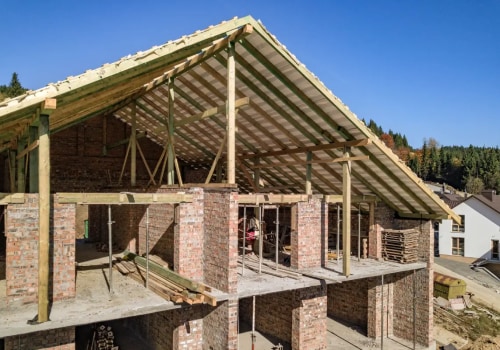
Before you begin the process of installing tile roofing, preparation is key to ensuring a successful and lasting result. Proper preparation will help maximize the durability and performance of your tile roof, allowing it to withstand the elements while maintaining its aesthetic appeal. The first step in preparation is to conduct a thorough inspection of the existing roof structure. Check for any signs of damage or decay, as these issues must be addressed before proceeding with the installation. Make sure that the underlying structure, such as the decking and rafters, is in good condition and can support the weight of the tiles. Next, it’s essential to ensure that the surface is clean and free from debris.Remove any old roofing materials, such as shingles or felt paper, and clear away dirt and leaves. This will provide a solid foundation for your new tile roof. Additionally, consider the weather conditions when planning your installation. Aim for a dry period with mild temperatures to allow for optimal adhesion and sealing of the tiles. If possible, schedule your installation during a time when rain or extreme heat is not expected. Finally, gather all necessary tools and materials beforehand.
This includes tiles, underlayment, flashing, nails or clips, and safety equipment. Having everything ready will streamline the installation process and help you avoid delays. By taking these crucial steps in preparation, you set the stage for a successful tile roofing project that will enhance your home’s value and performance.
Hiring a Professional vs. DIY
When it comes to installing tile roofing, one of the first decisions you’ll need to make is whether to hire a professional contractor or take a DIY approach. Each option has its own set of advantages and disadvantages that can significantly impact the success of your project.Hiring a Professional
: Engaging a licensed contractor can provide peace of mind.Professionals bring experience and expertise, ensuring that the installation meets local building codes and standards. They are also more likely to have access to quality materials and specialized tools, which can enhance the overall quality of the installation. Furthermore, contractors typically offer warranties on their work, protecting you from potential future issues. However, hiring a professional can be costly. Labor expenses can add up quickly, especially for complex installations.
Additionally, finding a reliable contractor may take time and research, as not all professionals will have the same level of skill or reputation.
DIY Approach
: Taking on a DIY project can be rewarding and cost-effective. If you have some experience with home improvement projects and feel confident in your skills, installing tile roofing yourself can save you money on labor costs. It also allows you to work on your own schedule and make decisions based on your preferences. On the downside, a DIY installation requires significant time investment and thorough research. Inexperienced homeowners may encounter challenges that lead to mistakes, ultimately compromising the integrity of the roof.Furthermore, without proper knowledge of local regulations, you risk violating building codes, which could result in fines or costly rework. In conclusion, carefully weigh the pros and cons of hiring a professional versus taking a DIY approach. Assess your budget, skills, and the complexity of the installation to determine which option aligns best with your project goals.
Choosing the Right Tile
When it comes to tile roofing, selecting the right type of tile is crucial for achieving the desired aesthetic and ensuring optimal performance in your specific climate. There are several types of tiles available, each offering unique benefits and characteristics. One popular choice is clay tiles, known for their classic look and durability. They are particularly well-suited for hot, arid climates as they can withstand high temperatures and resist fading from UV exposure.However, clay tiles are heavier than other options, so it's essential to ensure your roof structure can support their weight.
Concrete tiles
are another excellent option, offering versatility in design and color. They are highly durable and can mimic the appearance of clay or slate tiles at a lower cost. Concrete tiles perform well in various climates but may require more maintenance in areas with extreme weather conditions due to potential cracking. If you prefer a modern aesthetic, consider slate tiles. Slate is not only beautiful but also incredibly durable, making it suitable for a wide range of climates.Its natural variations in color and texture add visual interest to any home. However, slate is one of the more expensive options and requires a sturdy roof structure due to its weight. Finally, ceramic tiles are an affordable alternative that offers a variety of styles and colors. While they are lighter and easier to install than other tile types, they are generally less durable and may not perform as well in extreme weather conditions. They are best suited for moderate climates and homes where cost is a primary concern. In summary, choosing the right tile involves balancing aesthetic preferences with practical considerations such as climate suitability, weight, and cost.
By understanding the different types of tiles available, you can make an informed decision that enhances both the beauty and functionality of your roof.
Installation Process
Installing tile roofing is a meticulous process that requires careful planning and execution. Follow these steps to ensure a successful installation.1.Prepare the Roof Deck:
Begin by inspecting the roof deck for any damage. Repair or replace any rotting or compromised sections to provide a solid base for your tile roofing.2.Install Underlayment:
Lay down a waterproof underlayment over the entire roof deck. This layer helps to protect against moisture and provides an additional barrier against leaks.3.Set Up Battens:
If you're using clay or concrete tiles, install horizontal battens (wood strips) on top of the underlayment.These battens will serve as supports for the tiles, allowing for proper drainage and ventilation.
4.Start at the Eave:
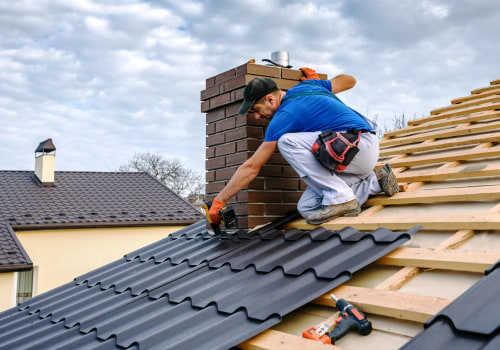
Begin laying your tiles at the eave of the roof, working your way up toward the ridge. Ensure that each tile is properly aligned and overlaps the previous tile to prevent water infiltration.5.Secure Each Tile:
Depending on the type of tile, secure each tile using nails or clips as recommended by the manufacturer. This step is crucial for preventing tiles from shifting during high winds or severe weather.6.Install Ridge Tiles:
Once the main field of tiles is laid, install ridge tiles along the peak of the roof. These tiles not only provide a finished look but also protect against wind-driven rain.7.Inspect and Clean Up:
After installation, inspect the entire roof for any loose tiles or gaps.Clean up debris and ensure that all materials are disposed of properly to maintain a safe work environment.
8.Regular Maintenance:
Once your tile roofing is installed, schedule regular inspections and maintenance to prolong its lifespan and performance. In conclusion, installing tile roofing can provide numerous benefits, including exceptional durability, aesthetic appeal, and improved energy efficiency. Throughout this article, we have emphasized the significance of proper installation, which is crucial for ensuring the longevity and performance of your roof. Regular maintenance is equally important; it helps to identify potential issues before they escalate into costly repairs. We also discussed the complexities involved in the installation process, highlighting the importance of choosing the right tile and weighing the decision between hiring a professional or opting for a DIY approach. Understanding common issues and knowing how to address them can further enhance the lifespan of your tile roof. As you move forward, we encourage you to take action based on the insights provided.Whether you're preparing for an installation or considering maintenance options, remember that a well-installed and maintained tile roof can significantly contribute to your home's value and comfort.