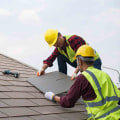
Selecting the Perfect Roofing Material for Your Home is a crucial decision that can significantly impact both the aesthetics and functionality of your dwelling. Whether you're embarking on a new construction project or considering a roof replacement, understanding the different options available is essential. With a multitude of materials to choose from—ranging from traditional asphalt shingles to modern metal roofing—each comes with its own set of advantages and considerations. As you explore the various roofing materials, it's important to think about factors such as durability, energy efficiency, and maintenance requirements. The right choice not only enhances your home's curb appeal but also contributes to its long-term value and resilience against the elements. is a crucial decision that can significantly impact both the aesthetics and functionality of your dwelling. Whether you're embarking on a new construction project or considering a roof replacement, understanding the different options available is essential. With a multitude of materials to choose from—ranging from traditional asphalt shingles to modern metal roofing—each comes with its own set of advantages and considerations. As you explore the various roofing materials, it's important to think about factors such as durability, energy efficiency, and maintenance requirements. The right choice not only enhances your home's curb appeal but also contributes to its long-term value and resilience against the elements.
In this guide, we aim to provide you with comprehensive insights that will empower you to make an informed decision. But what exactly should you consider when choosing the right roofing material? From climate considerations to budget constraints, we’ll delve into the key elements that influence your selection process. By the end of this article, you'll be equipped with the knowledge to confidently approach your roofing project, ensuring that your home is protected and looks great for years to come. Choosing the right roofing material is crucial for homeowners, as it significantly impacts the home’s durability, energy efficiency, and aesthetic appeal. When considering roofing options, it’s essential to understand the different types of materials available and their respective advantages and disadvantages. One of the most common choices is asphalt shingles. These are popular due to their affordability and ease of installation.
They typically last around 15 to 30 years, depending on the quality and local climate. Asphalt shingles perform well in a variety of weather conditions but may not be the best option in extreme climates, such as areas with heavy snowfall or intense heat. Maintenance is relatively simple, primarily requiring periodic inspections for curling or damage. However, they can be susceptible to wind damage and may need replacement after severe storms.
Metal roofs
are another excellent option, known for their durability and longevity, often lasting 40 to 70 years.They are highly resistant to harsh weather conditions, making them suitable for various climates, especially those prone to heavy rain or snow. While the initial cost is higher than asphalt shingles, metal roofs are energy-efficient due to their reflective properties, which can reduce cooling costs in hot climates. On the downside, metal roofs can be noisy during rain or hailstorms and may require special underlayment for insulation. For those seeking a more traditional look, tile roofs, such as clay or concrete tiles, offer exceptional durability and can last over 50 years. They provide excellent thermal insulation and fire resistance.
However, they are quite heavy and may require reinforced roofing structures. The cost can also be significantly higher than other materials. Tile roofs are ideal for warm climates but may not perform well in freezing temperatures where cracking could occur.
Wood shakes
present a charming aesthetic appeal that many homeowners desire. Typically made from cedar or redwood, wood shakes can last up to 30 years with proper maintenance.They offer good insulation but require regular upkeep to prevent mold and rot. Additionally, wood shakes may not be allowed in certain areas due to fire codes, making this a less viable option in some regions. Flat roofs are commonly found on commercial buildings but are also used in some residential properties. They are generally less expensive to install but can pose challenges regarding drainage and long-term maintenance. Flat roofs typically use materials like rubber membranes or modified bitumen, which can last around 10 to 20 years with proper care.
Homeowners must be diligent about inspections to prevent pooling water and leaks. When selecting roofing materials, it’s essential to consider factors such as lifespan, cost, climate suitability, and maintenance requirements. A material that works perfectly in one region may not be suitable for another due to varying weather conditions. Hiring qualified roofing contractors for installation is equally important. Poor installation can lead to significant problems down the line, including leaks and reduced roof lifespan. To find reliable professionals, homeowners should seek recommendations from friends or family and check online reviews.
It’s advisable to verify credentials and ensure that contractors have proper insurance and licensing. Maintenance varies by material type but remains crucial in extending the life of any roof. For asphalt shingles, regular inspections every few years can help catch issues early. Metal roofs may require occasional cleaning to remove debris and prevent rusting. Tile roofs should be checked for cracked tiles or loose fittings after severe weather events.
Wood shakes benefit from periodic treatment with preservatives to prevent rot and insect infestations. Homeowners may face common repair issues such as missing shingles or leaks. Fortunately, many of these problems can be addressed easily with DIY solutions or by hiring professionals when necessary. Understanding the specific needs of each roofing type will allow homeowners to be proactive in their maintenance efforts. The choice between traditional versus modern materials often sparks debate among homeowners. While some prefer the classic aesthetic of wood shakes or tile roofs, others may lean towards contemporary options like metal roofs for their durability and energy efficiency.
Similarly, when it comes to installation methods, many homeowners consider DIY approaches to save on costs; however, professional installation is recommended for complex projects to ensure safety and longevity. In conclusion, selecting the right roofing material involves careful consideration of various factors including durability, cost, climate suitability, and maintenance requirements. By understanding the pros and cons of each option and consulting qualified professionals for installation and maintenance, homeowners can make informed decisions that enhance the value and integrity of their homes.
Hiring the Right Roofing Contractor
Choosing the right roofing material is crucial, but it is equally important to ensure that you have a qualified professional to install it.Hiring the right roofing contractor
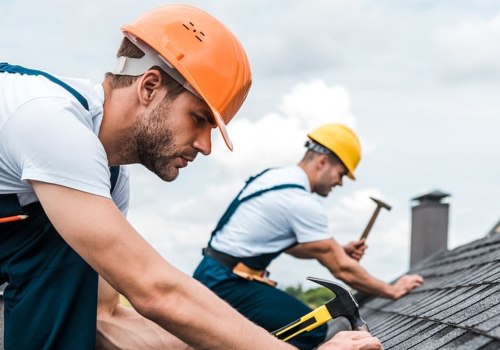
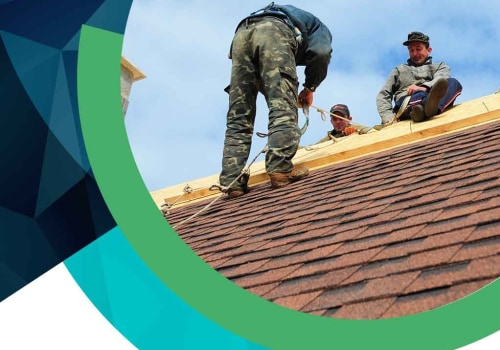
can make a significant difference in the outcome of your roofing project, affecting everything from durability to overall aesthetics. When searching for a contractor, start by asking for recommendations from friends, family, or neighbors who have recently had roofing work done. Online reviews and testimonials can also provide insight into a contractor's reputation. Once you have a list of potential candidates, it’s essential to verify their credentials.Ensure that the contractor is licensed and insured. A valid license indicates that they meet local building codes and regulations, while insurance protects you from liability in case of accidents during the project. Don't hesitate to ask questions to gauge their expertise. Inquire about their experience with your specific roofing material and their process for handling unexpected issues. Ask for references from previous clients and take the time to follow up on them. Additionally, it's wise to obtain multiple estimates before making a decision.
This will not only give you an idea of the market rate but also help you assess each contractor's approach and professionalism. Finally, ensure that everything discussed is documented in a contract before work begins. This should include details such as the scope of work, timelines, payment schedules, and warranties for both materials and labor. A well-written contract protects both parties and sets clear expectations.
DIY Roof Inspection Techniques
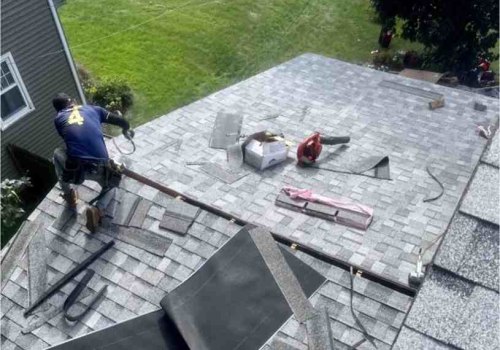
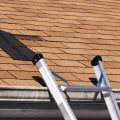
Conducting a roof inspection is an essential part of maintaining the integrity of your home. Homeowners should be proactive in identifying potential issues before they escalate into costly repairs.Here are some effective and safe DIY roof inspection techniques that you can use. First, ensure your safety by using a sturdy ladder and wearing appropriate gear such as non-slip shoes and a harness if necessary. Always inspect your roof on a dry day to avoid slipping on wet surfaces. Start by visually examining the roof from the ground using binoculars. Look for signs of damage such as missing shingles, sagging areas, or discoloration. Next, if you feel comfortable climbing onto your roof, carefully check the shingles or roofing material for cracks, curling, or granule loss.
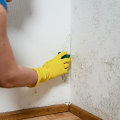
Pay special attention to the areas around chimneys, vents, and skylights where leaks are more likely to occur. Use a flashlight to inspect dark areas or under overhangs where moisture might accumulate. Additionally, look for any signs of water damage on the underside of the roof in your attic. This can indicate leaks that may not be visible from the exterior. Check for mold, mildew, or water stains which can provide clues about persistent moisture issues. Finally, consider using a smartphone or camera to document any issues you find during your inspection.
This will help you keep track of the condition of your roof over time and assist in discussions with roofing professionals if repairs are needed. By implementing these DIY roof inspection techniques, homeowners can maintain their roofs effectively and extend the lifespan of their roofing materials.
Common Repair Solutions
When it comes to maintaining your roof, understanding common roofing issues and their solutions is crucial. Homeowners often face challenges such as leaks, missing shingles, and damaged flashing, which can compromise the integrity of their roofing system.Leaks
are one of the most frequent problems encountered. They can arise from various sources, including worn-out seals around chimneys and vents or damaged shingles. To address minor leaks, homeowners can apply a roofing sealant or patch the area with a piece of flashing.However, for significant leaks or extensive damage, it is advisable to seek professional help to ensure a thorough repair.
Missing shingles
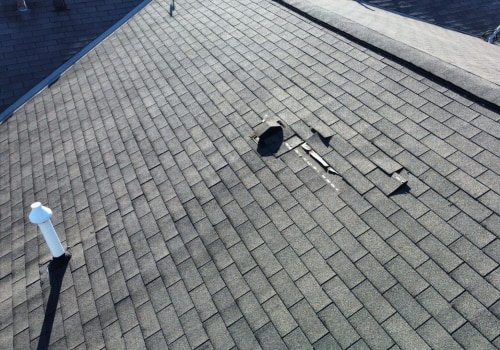
can occur due to severe weather or improper installation. A simple DIY solution involves replacing the missing shingles with new ones. Make sure to match the style and color for a seamless appearance. If you’re unsure about the installation process or if the damage is widespread, hiring a roofing contractor might be the best option.Damaged flashing
, often found around chimneys and skylights, can lead to leaks if not addressed promptly.Homeowners can inspect the flashing and use roofing cement to seal any cracks. However, if the flashing is corroded or improperly installed, it’s wise to consult a professional for replacement. Regular maintenance and timely repairs not only enhance the lifespan of your roof but also contribute to its overall performance and aesthetics. Whether opting for DIY solutions or enlisting professional assistance, addressing these common issues will ultimately protect your investment in your home.
Essential Maintenance Tips
Maintaining your roof is crucial to prolong its lifespan and ensure your home remains protected. Each type of roofing material has its unique set of maintenance requirements.Here are some practical maintenance advice tips tailored to specific roofing materials:Asphalt Shingles: Regularly inspect for missing or damaged shingles, especially after severe weather. Clean the gutters and downspouts to prevent water damage and moss growth. Ensure proper ventilation in the attic to avoid heat buildup, which can warp shingles.
Metal Roofing:
Check for rust spots and treat them promptly to prevent corrosion. Keep the roof clean by removing debris and ensuring that snow or ice does not accumulate in winter.Inspect the seams and fasteners regularly to ensure they are secure.
Tile Roofing:
Inspect tiles for cracks or damage and replace them as necessary. Keep the roof surface clear of leaves and debris to prevent moisture retention. Ensure that any underlayment is in good condition to support the tiles.Wood Shingles:
Regularly check for signs of rot or insect infestation, which can compromise the roof's integrity. Clean the shingles with a gentle solution to remove moss and algae, taking care not to damage the wood.Flat Roofs:
Regularly inspect for ponding water, which can lead to leaks.Clean off debris and ensure that drains are clear. Apply a reflective coating every few years to maintain energy efficiency and protect against UV damage. By following these maintenance tips specific to your roofing material, you can enhance its durability, minimize repair costs, and protect your investment in your home.
Understanding Different Roofing Materials
When it comes to choosing the right roofing material, understanding the various options available is crucial. Each type of roofing material has its own set of advantages and disadvantages that can significantly impact the overall performance, aesthetics, and longevity of your roof.Asphalt Shingles
are one of the most popular choices for homeowners due to their affordability and ease of installation. They come in a variety of colors and styles, making them versatile for different architectural designs.However, they may not be as durable as other materials, typically lasting around 15-30 years, and can be prone to damage from severe weather conditions.
Metal Roofs
are gaining popularity for their durability and energy efficiency. They can last 40-70 years, depending on the type of metal used, and reflect solar heat, which can reduce energy costs. While they can be more expensive upfront, their longevity and minimal maintenance requirements often make them a cost-effective option in the long run. However, they can be noisy during rain or hail storms and may require insulation to mitigate this issue.Tile Roofs
, often made from clay or concrete, are known for their distinctive appearance and longevity, lasting over 50 years.They are fire-resistant and can withstand harsh weather conditions. However, they are heavier than other materials, which may require additional structural support. The initial installation cost can also be higher compared to asphalt shingles.
Wood Shingles
provide a natural aesthetic that many homeowners find appealing. They are relatively lightweight and can last about 30 years with proper maintenance.However, they require regular upkeep to prevent rot and insect damage, and their susceptibility to fire can be a drawback in certain areas. Lastly, Synthetic Roofing Materials, which mimic the appearance of traditional materials like wood or slate, offer a blend of durability and aesthetic appeal. They are generally lighter and easier to install while being resistant to mold and algae. However, their long-term performance may vary depending on the quality of the material. In conclusion, understanding the pros and cons of each roofing material is essential in choosing the right roofing material that aligns with your budget, style preferences, and long-term goals for your home. In conclusion, selecting the right roofing material is a crucial decision that impacts not only the immediate aesthetics of your home but also its long-term durability and energy efficiency. Throughout this article, we've explored various roofing materials, the importance of hiring a qualified contractor, essential maintenance tips, and DIY inspection techniques.
Each of these elements plays a vital role in ensuring that your roof remains in excellent condition over the years. It is essential to weigh both your personal preferences and the specific needs of your home when making this choice. Remember that the right roofing material can significantly influence long-term maintenance costs and even affect your property's resale value. As you embark on this journey, consider both the immediate benefits and the lasting implications of your decision. By taking the time to research and evaluate your options, you can confidently choose a roofing material that not only meets your current needs but also stands the test of time.