When it comes to investing in your home, few decisions weigh as heavily as choosing the right roofing system. Your roof is not just a protective covering; it’s a crucial component that safeguards your home against the elements.
Understanding your roofing warranty options
is essential in ensuring that you are making a sound investment that will stand the test of time. Many homeowners overlook the importance of warranty details, focusing instead on aesthetics and cost. However, a robust warranty can provide peace of mind and significant financial protection in the long run.Whether you're dealing with a new installation or a roof replacement, knowing what warranty options are available can be the difference between a good decision and a costly mistake. In this article, we will delve into the various types of warranties offered by roofing contractors, how they can affect your long-term satisfaction with your roof, and what critical questions to ask before signing on the dotted line. By the end of this guide, you'll be equipped with the knowledge needed to navigate your warranty options confidently, ensuring that your investment is safeguarded for years to come. Let’s explore how to protect your home with an informed choice!When investing in a new roof, understanding your warranty options is crucial for protecting your investment. Warranties serve as a safety net for homeowners, shielding them from unexpected costs and providing peace of mind.
The roofing industry offers various types of warranties that cover different aspects of roofing, ensuring that you have the right protections in place. There are primarily two types of warranties to consider: materials warranties and labor warranties.
Materials warranties
, often provided by the manufacturer, guarantee that the roofing materials will perform as expected over a specified period. For instance, asphalt shingles usually come with a warranty ranging from 20 to 50 years, depending on the quality of the product. Metal roofs, on the other hand, may offer warranties of up to 40 years or more, reflecting their durability and long lifespan.These warranties typically cover defects in the materials themselves, protecting homeowners against manufacturing flaws. On the flip side, labor warranties are provided by the roofing contractor and cover the installation work performed. These warranties can vary significantly based on the contractor’s reputation and the quality of their workmanship. A reputable contractor may offer a labor warranty lasting anywhere from one to ten years. This warranty ensures that if any issues arise due to improper installation, the contractor will address them without additional costs to the homeowner. Choosing a reputable contractor is essential when it comes to maintaining warranty validity.
Many manufacturers require that a certified installer handle their products to ensure that the warranty remains intact. If a homeowner opts for a low-cost contractor who is not certified, they may inadvertently void the materials warranty. Therefore, it is vital to ask potential contractors about their certifications and experience with specific roofing materials. When evaluating warranty options, homeowners should consider several factors such as coverage duration, transferability, and exclusions. Coverage duration refers to how long the warranty remains valid.
Homeowners should aim for warranties with longer coverage periods for both materials and labor to secure their investment over time. Transferability is another critical aspect; if you decide to sell your home, having a transferable warranty can add value and attract potential buyers. Exclusions are also vital to understand before signing any warranty documents. Common exclusions may include damage caused by natural disasters, improper maintenance, or alterations made by other contractors. Homeowners should read the fine print carefully to know what is not covered under their warranty. Potential concerns regarding warranty claims often arise when homeowners encounter issues with their roofs.
It is essential to maintain proper documentation throughout the roofing process to ensure that claims can be filed smoothly if needed. This includes keeping receipts, contracts, and records of any communications with contractors or manufacturers regarding repairs or issues. To illustrate the impact of choosing the right warranty options and contractor, consider a scenario where a homeowner installs a new metal roof with a 40-year manufacturer warranty and hires a reputable contractor who offers a 10-year labor warranty. A few years later, they notice leaks caused by improper installation. Thanks to their choice of a certified contractor and comprehensive warranties, they can have these issues resolved at no cost. Conversely, if another homeowner chooses an uncertified contractor for similar work but ends up with a shorter labor warranty, they might face significant out-of-pocket expenses when problems arise down the line.
This example underscores why understanding warranty options is not just an afterthought but a crucial part of the roofing process. In conclusion, being well-informed about warranty options, knowing what types of warranties are available, and selecting a reputable contractor are all fundamental steps in ensuring that your roofing investment is protected for years to come.
The Importance of Hiring a Qualified Contractor
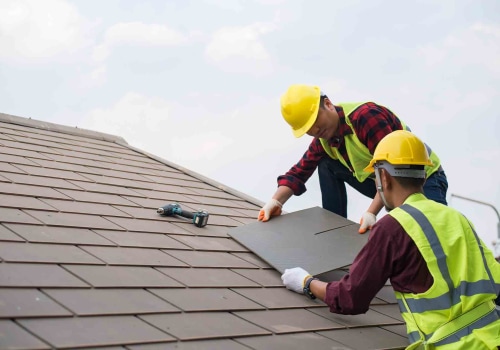
When it comes to roofing warranties, hiring a qualified contractor can significantly influence the coverage and protection you receive.Qualified contractors
not only possess the necessary skills and experience to install your roof correctly, but they also understand the specific warranty terms and conditions of the materials they use. This knowledge is crucial, as improper installation can void manufacturer warranties, leaving homeowners responsible for costly repairs. Additionally, many manufacturers require that their products be installed by certified or licensed professionals in order to maintain warranty validity. By choosing a professional contractor, you ensure that your roofing system is installed according to industry standards, which is essential for warranty activation.A well-installed roof not only protects your home but also safeguards your investment against unexpected expenses. Furthermore, reputable contractors often provide their own workmanship warranties on top of manufacturer warranties. This means that if any issues arise due to installation errors within a specified period, the contractor will cover the repair costs. Thus, hiring a qualified contractor not only enhances your warranty coverage but also gives you peace of mind knowing that your roof is in good hands. on top of manufacturer warranties. This means that if any issues arise due to installation errors within a specified period, the contractor will cover the repair costs. Thus, hiring a qualified contractor not only enhances your warranty coverage but also gives you peace of mind knowing that your roof is in good hands.
Types of Roofing Warranties
When investing in a new roof, it is essential to understand the different types of warranties available to ensure you are adequately protected. There are two primary categories of roofing warranties: manufacturer warranties and labor warranties.Manufacturer warranties
cover defects in the roofing materials themselves.These warranties are provided by the manufacturer and typically cover issues such as leaks or deterioration due to faulty materials. For example, if a roofing shingle fails due to manufacturing defects within a specified time frame, the manufacturer may replace the defective shingles at no cost to the homeowner. These warranties can vary in length, often ranging from 20 years to lifetime coverage, depending on the quality of the materials used. On the other hand, labor warranties focus on the workmanship provided during the installation of the roof. These warranties are typically offered by the roofing contractor and cover issues that may arise from improper installation.
For instance, if your roof starts leaking due to poor installation practices, a labor warranty would protect you by covering the costs of repairs or even a complete reinstallation. Labor warranties usually have shorter durations compared to manufacturer warranties, often ranging from 1 to 10 years. Understanding these distinctions is crucial for homeowners as they navigate the complexities of roofing services. Knowing what each warranty covers can help you make informed decisions and ensure that your investment is protected against unexpected costs down the line.
What to Look for in a Warranty
When evaluating warranty options for your roofing project, it’s essential to consider several key elements that can affect your investment in the long run. Understanding these components will help you make an informed decision and ensure you choose a warranty that best fits your needs.1.Coverage Duration:
One of the first things to look at is the length of coverage offered by the warranty.Different warranties have varying terms, often ranging from a few years to a lifetime. Ensure that the duration aligns with your expectations for how long you plan to stay in your home and how long you wish to protect your investment.
2.Types of Coverage:
Warranties can be divided into two main categories: manufacturer warranties and workmanship warranties. Manufacturer warranties typically cover defects in materials, while workmanship warranties protect against installation errors. It’s crucial to understand what each warranty covers and whether both types are included.3.Transferability:
If you plan on selling your home in the future, consider whether the warranty is transferable to the new owner.A transferable warranty can add value to your property and provide peace of mind to potential buyers.
4.Exclusions:
Be sure to review any exclusions listed in the warranty documentation. Some warranties may not cover damage caused by extreme weather, improper maintenance, or other specific conditions. Understanding these exclusions will help you avoid surprises down the line.5.Claim Process:
Familiarize yourself with the process for filing a claim under the warranty. Knowing how claims are handled, including any required documentation and timelines, can save you frustration if you ever need to utilize the warranty.6.Customer Support:
Finally, consider the reputation of the warranty provider when it comes to customer support.Research reviews and testimonials about their responsiveness and willingness to assist customers with claims or questions. By keeping these elements in mind while reviewing warranty options, you can better navigate your choices and select a warranty that offers comprehensive protection and peace of mind for your roofing investment.
Common Questions About Roof Warranties
When considering roofing warranties, homeowners often have several questions. Understanding these common inquiries can help clarify the warranty process and ensure you make informed decisions regarding your roofing investment.What is a roofing warranty?
A roofing warranty is a guarantee provided by manufacturers or contractors that covers repairs or replacements for specific issues related to the roof. These warranties typically vary in duration and coverage.What types of warranties are available?
There are mainly two types of warranties: manufacturer warranties, which cover defects in the materials used, and workmanship warranties, which cover installation-related issues. Some companies may offer a combination of both.How long do roofing warranties last?
The duration of a roofing warranty can vary widely depending on the type and manufacturer.Manufacturer warranties often last between 20 to 50 years, while workmanship warranties typically range from 1 to 10 years.
Are there any exclusions in roofing warranties?
Yes, most warranties come with specific exclusions. Common exclusions may include damage caused by natural disasters, improper maintenance, or unauthorized repairs.Can I transfer my roofing warranty?
Many manufacturers allow the transfer of warranties to new homeowners, but this may come with conditions. It's essential to check the warranty terms and conditions for transferability.What should I do if I need to make a claim on my warranty?
To make a warranty claim, you should first review the warranty terms and conditions. Then, contact the manufacturer or contractor who provided the warranty to initiate the claims process.Why is it important to understand my roofing warranty?
Understanding your roofing warranty is crucial because it protects your investment and ensures that you are aware of your rights and responsibilities.Knowing what is covered can help prevent unexpected costs in the future. In conclusion, understanding your warranty options is essential when making decisions about your roofing investment. Throughout this article, we have discussed the various types of roofing warranties, including manufacturer and workmanship warranties, and emphasized the importance of hiring a qualified contractor to ensure that your warranty remains valid. We also addressed common questions about roof warranties to provide you with comprehensive insights. As a homeowner, it is crucial to protect yourself from unexpected costs and gain peace of mind through a solid warranty plan. Therefore, we encourage you to engage in conversations with your contractors and ask specific questions about their warranty offerings.
This proactive approach will help you choose the best option tailored to your needs and ensure a secure roofing investment.