When it comes to home improvement, few projects are as significant as roofing. Your roof is not just a protective shield over your head; it is a critical component that contributes to the overall integrity and value of your home. Therefore, when you decide to undertake a roofing project, whether it involves repairs, replacements, or installations, it is essential to consider the experience and specialization of the contractors you hire. In an industry where quality can vary drastically, understanding what makes a roofing contractor truly qualified can save you time, money, and a lot of potential headaches down the road.
With so many options available, how can you ensure that you are choosing the right professional for the job? That is where this article comes in. We will delve into the various aspects of experience and specialization in roofing. What should you look for when evaluating a contractor's qualifications? How does their experience shape their ability to handle different roofing materials and styles? These are just a couple of the questions we aim to address. By the end of this read, you will be equipped with the knowledge necessary to make informed decisions when hiring roofing contractors, ensuring that your project is in capable hands. In the roofing industry, in roofing. What should you look for when evaluating a contractor's qualifications? How does their experience shape their ability to handle different roofing materials and styles? These are just a couple of the questions we aim to address. By the end of this read, you will be equipped with the knowledge necessary to make informed decisions when hiring roofing contractors, ensuring that your project is in capable hands. In the roofing industry, experience and specialization play a crucial role in determining the quality of work, safety, and longevity of roofs.
Different roofing materials such as asphalt shingles, metal, tile, and others require varying installation techniques and repair methods. A contractor's specialization can significantly influence how well these materials perform over time. For instance, the installation of asphalt shingles requires a different skill set compared to metal roofing. While asphalt shingles are relatively straightforward to install, metal roofing requires precise techniques to ensure proper sealing and insulation against the elements. When considering hiring a roofing contractor, it's essential to understand that not all contractors possess the same level of expertise with specific materials or installation techniques.
Some may excel in traditional asphalt shingle installations but lack the knowledge required for installing more complex systems like standing seam metal roofs or clay tiles. This variance makes it necessary for homeowners to assess a contractor's experience with the specific materials they intend to use. Potential clients should look for key indicators of a contractor's experience, such as the number of years they have been in business, any relevant certifications they hold, and a portfolio of completed projects. A contractor with several years in the industry is likely to have encountered various challenges and learned how to address them effectively. Certifications from manufacturers can indicate a contractor's proficiency with particular products, assuring clients that they are hiring someone who understands the intricacies involved in installation and repair. Furthermore, assessing a contractor's specialization is vital for aligning their expertise with your unique roofing needs.
Homeowners should inquire directly about the types of materials the contractor has worked with most frequently and request references or testimonials from past clients who had similar projects done. This inquiry will provide insight into how well the contractor managed previous jobs and their ability to handle specific roofing challenges. Common concerns that arise when hiring contractors include warranties, insurance, and reliability. Understanding the warranty provided by the contractor is essential; it typically covers both workmanship and materials. A reputable contractor will offer a warranty that reflects their confidence in their work.
Additionally, ensure that the contractor carries proper insurance, including liability coverage and workers' compensation. This protection safeguards homeowners against potential damages or accidents that may occur during the roofing project. Reliability is another critical factor; homeowners should look for contractors who are punctual and communicative. A reliable contractor will provide clear timelines for project completion and keep clients informed throughout the process. Maintenance is key to prolonging the life of various roof types. Homeowners can benefit from tailored maintenance tips specific to their roofing material.
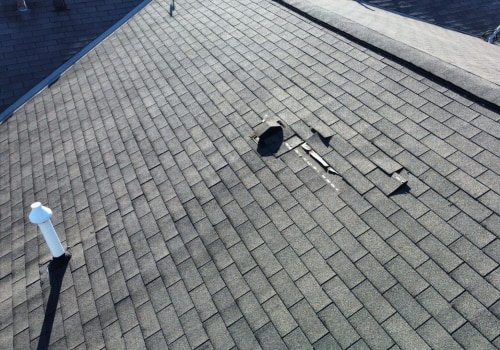
For instance, asphalt shingle roofs should be inspected regularly for curling edges or missing shingles, while metal roofs require checks for rust or loose fasteners. Tile roofs may need periodic cleaning to prevent debris buildup that can lead to water pooling. Homeowners can conduct simple DIY inspections by looking for visible signs of wear, such as cracked tiles or sagging areas in the roofline. In conclusion, understanding experience and specialization in the roofing industry is vital for homeowners seeking to hire qualified contractors who can meet their specific needs. By evaluating a contractor's experience with particular materials, confirming their certifications, and addressing common concerns about warranties and reliability, homeowners can make informed decisions that ensure the safety and durability of their roofs.
Maintenance Tips for Different Roof Types
Maintaining your roof is essential for its longevity and performance.Different roof types require specific maintenance strategies to ensure they remain in good condition. Here are some tailored tips for various roofing materials:Asphalt Shingles: Regularly inspect for damaged or missing shingles, especially after severe weather. Clean gutters to prevent water buildup, and consider applying a roof sealant every few years to extend the life of your shingles.
Metal Roofs:
Check for rust or corrosion, particularly at seams and fasteners. Keep the roof surface clean from debris and ensure proper drainage to avoid water pooling, which can lead to leaks.Tile Roofs:
Inspect tiles for cracks or breaks and replace them as necessary.Ensure that the underlayment is intact and clear any debris that could cause water retention on the tiles.
Flat Roofs:
Regularly check for standing water and debris accumulation. Inspect the seams and flashing for wear, and consider applying a reflective coating to improve durability.Wood Shakes/Shingles:
Look for signs of rot or insect damage. Ensure proper ventilation in the attic to reduce moisture buildup, and treat with preservatives to prolong their lifespan. By following these maintenance tips tailored to your specific roofing type, homeowners can help ensure that their roofs remain safe, durable, and functional for years to come.The Importance of Specialized Knowledge in Roofing
Specialized knowledge in roofing is not just an asset; it is a necessity for achieving high-quality results and ensuring safety during the roofing process. Roofing is a complex trade that involves various materials, techniques, and regulations.Contractors who possess specialized knowledge are better equipped to handle these complexities, resulting in a roof that meets both aesthetic and functional requirements. One of the primary reasons specialized knowledge is crucial is that it directly impacts the quality of work. Experienced roofing contractors understand the nuances of different roofing systems, from asphalt shingles to metal roofs. They can accurately assess which materials are best suited for specific climates, building designs, and customer preferences. This expertise ensures that the roofing installation is performed correctly, which is vital for the roof's longevity. Furthermore, specialized knowledge enhances safety on the job site.
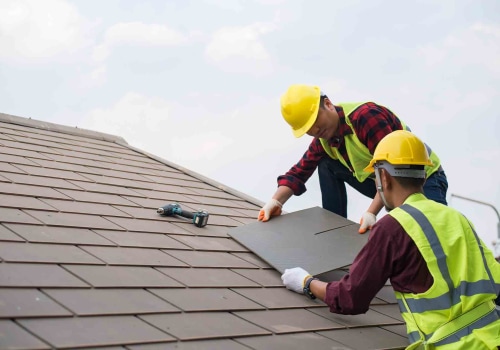
Roofing can be dangerous work, and contractors must be aware of safety protocols and best practices to protect themselves and their workers. Experienced roofers know how to properly use equipment, secure job sites, and manage risks associated with working at heights. This focus on safety not only protects the crew but also ensures that the project runs smoothly without costly accidents or delays. Additionally, specialized knowledge allows contractors to navigate local building codes and regulations effectively. Compliance with these legal requirements is essential to avoid fines and ensure that the work passes inspections.
Roofers with a deep understanding of their trade can help homeowners avoid potential pitfalls associated with non-compliance. In summary, hiring a contractor with specialized knowledge in roofing is critical for achieving a durable, safe, and high-quality roof. Homeowners should prioritize this aspect when selecting a contractor to ensure that their investment stands the test of time and meets their specific needs.
Evaluating Contractor Experience
When it comes to hiring a roofing contractor, experience is one of the most critical factors to consider. A contractor's experience can directly impact the quality of work, ensuring that your roof is installed or repaired properly. To effectively evaluate a contractor’s experience, consider the following criteria:1.Check References: One of the best ways to gauge a contractor's experience is by asking for references from previous clients.Speak to these references about their satisfaction with the contractor's work, communication, and professionalism. This firsthand feedback can provide valuable insights into the contractor's reliability and capabilities.
2.Review Past Project Outcomes:
Request to see a portfolio or case studies of past projects. Look for projects similar to yours in scope and complexity. Assess the quality of their workmanship through photographs and detailed descriptions of the projects completed.This not only showcases their skills but also demonstrates their ability to handle specific roofing challenges.
3.Verify Industry Experience:
Ensure the contractor has specific experience in the type of roofing system you need, whether it’s asphalt shingles, metal roofing, or another material. Different roofing types require different skills and expertise, so confirm that your contractor specializes in the appropriate system for your home.4.Assess Length of Time in Business:
While newer contractors may have fresh ideas and enthusiasm, those with a longer history often have more hands-on experience and a proven track record. Ask how long they have been in business and if they have undergone any formal training or certifications in roofing.5.Check for Licenses and Insurance:
A reputable contractor should hold all necessary licenses and insurance. Verify that these documents are up-to-date, as this protects both you and the contractor during the project. By thoroughly evaluating a roofing contractor’s experience using these criteria, you can make a more informed decision and feel confident that you are hiring a qualified professional who can meet your specific roofing needs.Types of Roofing Materials and Their Contractors
When it comes to roofing, experience and specialization play a crucial role in ensuring that the right materials are used for your specific needs.Different roofing materials have unique characteristics, advantages, and installation techniques, which require contractors to have varying levels of expertise. Some common types of roofing materials include:
- Asphalt Shingles: Widely used due to their cost-effectiveness and ease of installation. When interviewing contractors, ask about their experience with different brands and their knowledge of local building codes related to asphalt shingles.
- Metal Roofing: Known for its durability and longevity, metal roofing requires specialized installation techniques. Inquire about the contractor's experience with various types of metal (such as steel, aluminum, and copper) and their familiarity with potential issues like thermal expansion.
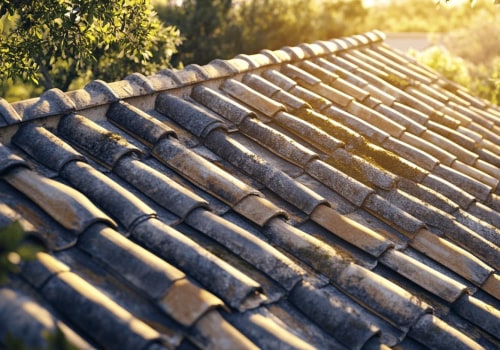
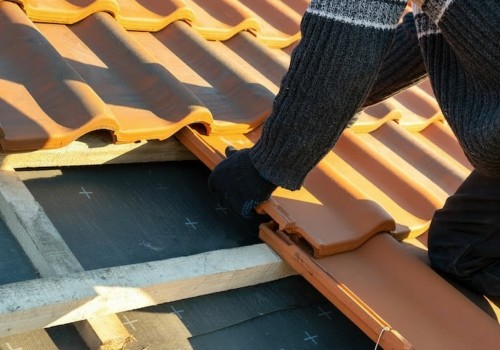
- Tile Roofing: Often chosen for its aesthetic appeal and durability, tile roofing can be heavy and requires precise installation. It's important to ask contractors about their experience with tile materials specifically and whether they have completed similar projects successfully.
- Slate Roofing: A premium option known for its natural beauty and longevity.
Given its weight and complexity, find out if the contractor has specialized training in slate installation and maintenance.
- Wood Shakes or Shingles: These provide a rustic look but require proper maintenance. Questions to ask include their experience with wood roofing materials and how they address issues like rot or insect damage.
- What is your experience level with this specific roofing material?
- Can you provide references from previous projects involving this material?
- What warranties or guarantees do you offer for your work with these materials?
DIY Roof Inspection Techniques
Before hiring a contractor, homeowners can benefit from performing basic roof inspections themselves. This not only helps them understand the current condition of their roof but also equips them with relevant information to discuss with potential contractors. Here are some practical DIY roof inspection techniquesDIY roof inspection techniques that homeowners can utilize.1.Safety First:
Always prioritize safety when conducting a roof inspection.Use a sturdy ladder, wear non-slip shoes, and consider having someone assist you on the ground. If the roof is too steep or high, it’s best to stay on the ground and inspect from there.
2.Visual Inspection:
Start by visually examining the roof from the ground. Look for any obvious signs of damage such as missing shingles, sagging areas, or discoloration. Pay special attention to valleys and edges, as these are common areas where leaks may occur.3.Check Gutters and Downspouts:
Inspect gutters and downspouts for debris buildup, which can lead to water pooling and potential damage.Ensure that they are securely attached and functioning properly, directing water away from the foundation.
4.Look for Moss and Algae:
Moss and algae growth on the roof can indicate moisture retention, which may lead to further damage. If you spot these growths, it might be a sign that your roof needs attention.5.Interior Inspection:
Don’t forget to check the interior of your home for signs of roof issues. Look for water stains on ceilings or walls, which can indicate leaks. Additionally, inspect the attic for any light coming through the roof or signs of moisture.6.Document Findings:
Take notes or photos of any issues you identify during your inspection.This documentation will be helpful when discussing repairs with contractors and ensuring you receive accurate estimates. By utilizing these DIY roof inspection techniques, homeowners can gain valuable insights into their roof's condition, ultimately helping them make informed decisions when hiring a contractor. In summary, the importance of experience and specialization when hiring roofing contractors cannot be overstated. Experienced contractors possess the practical knowledge and skill set required to navigate the complexities of various roofing projects, ensuring quality workmanship that adheres to safety standards. Specialization in different roofing materials allows contractors to provide tailored solutions that meet the unique needs of each homeowner. By evaluating a contractor's background, including their experience with specific roofing types and their understanding of maintenance requirements, homeowners can make informed decisions. This not only enhances the overall quality of the roofing work but also contributes to the longevity and durability of roofs.
Ultimately, by prioritizing experience and specialization, individuals can achieve better roofing outcomes and long-term satisfaction with their investment.