When it comes to selecting the right roofing material for your home, metal roofing stands out as a popular choice among homeowners and builders alike. With its unique blend of durability, style, and efficiency, metal roofing offers a variety of options that can cater to any aesthetic or practical requirement. Whether you're constructing a new home or upgrading your existing roof, understanding the different types of metal roofing available is crucial. In this article, we will delve deep into the diverse world of metal roofing, exploring the various types that are not only functional but also visually appealing. From classic standing seam roofs to stylish metal shingles, each option comes with its own set of advantages and characteristics.
As you navigate through this exploration, you'll discover how each type can enhance your home's curb appeal while providing long-lasting protection against the elements. Join us as we uncover the benefits and features of each type of metal roofing, empowering you to make an informed decision that aligns perfectly with your needs and preferences. Let's embark on this journey into the fascinating realm of metal roofing options!As homeowners explore roofing options, the types of metal roofing have emerged as a popular choice due to their numerous advantages. Metal roofs are known for their exceptional durability, energy efficiency, and aesthetic appeal, making them a practical option for various residential applications. In this article, we will delve into the different types of metal roofing materials, examining their unique properties, benefits, and potential drawbacks to help homeowners make informed decisions. One of the most common types of metal roofing is steel roofing.
Steel roofs are often galvanized or coated with a protective finish to enhance their resistance to rust and corrosion. The primary advantage of steel roofing lies in its strength; it can withstand harsh weather conditions, including heavy snow loads and strong winds. Additionally, steel roofs are typically more affordable than other metal options, making them an attractive choice for budget-conscious homeowners. However, it is essential to consider that steel can be prone to denting from hail or falling branches.
Residential applications for steel roofing include traditional homes and modern builds where durability is a priority.
Aluminum roofing
is another excellent option, particularly in coastal areas where saltwater exposure can lead to corrosion in other metals. Aluminum is lightweight and resistant to rust, making it ideal for homes in humid climates. One of the key benefits of aluminum roofing is its energy efficiency; it reflects heat away from the house, which can reduce cooling costs during hot summer months. However, it is important to note that aluminum tends to be more expensive than steel and may require more maintenance over time to maintain its appearance.Suitable applications for aluminum roofing include beach houses and homes seeking a modern look with long-term durability.
Copper roofing
offers a unique aesthetic appeal that many homeowners find irresistible. Known for its distinct patina that develops over time, copper is often used in high-end residential projects or historical restorations. Copper roofs are incredibly durable and can last over 100 years with minimal maintenance, making them an excellent long-term investment. However, the initial cost of copper roofing can be significantly higher than other metal options, which may deter some homeowners.Copper roofing is well-suited for luxury homes or those looking to make a statement with their roof.
Zinc roofing
is another premium option that combines beauty and functionality. Like copper, zinc develops a protective patina that enhances its longevity and resistance to corrosion. Zinc roofs are highly malleable, allowing for creative architectural designs that can add character to a home. They are also environmentally friendly as they are often made from recycled materials and are fully recyclable at the end of their lifespan.The primary drawback of zinc roofing is its cost; it can be one of the most expensive metal roofing materials available. Residential applications for zinc include unique architectural designs and eco-friendly homes. Understanding the differences among these types of metal roofing is crucial for homeowners looking to make informed decisions that align with their needs and budgets. Each material has distinct characteristics that influence its performance, longevity, and maintenance requirements. Factors such as climate, local building codes, and personal aesthetic preferences should guide homeowners in selecting the right type of metal roofing. When considering installation, choosing the right contractor is vital to ensure a successful project.
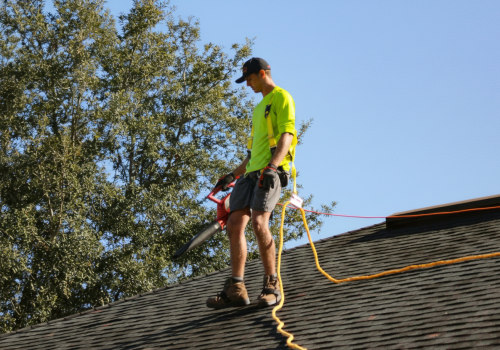
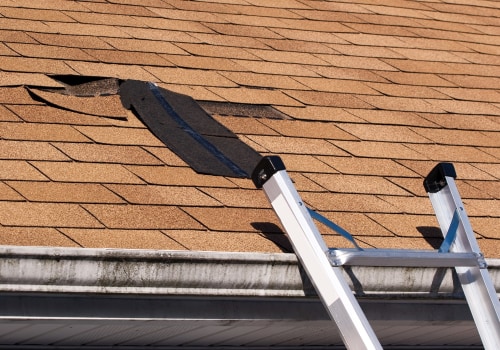
Homeowners should seek contractors with experience specifically in metal roofing, as proper installation techniques differ from traditional roofing methods. It's essential to ask potential contractors about their qualifications, past projects, warranty offerings, and whether they provide a detailed written estimate before starting work. For those interested in DIY options for basic maintenance and inspection of their metal roofs, there are practical steps to follow. Regular inspections should be conducted at least twice a year, ideally in the spring and fall. Homeowners should look for signs of rust or corrosion, check for loose or missing panels, and clear any debris that could trap moisture against the roof surface.
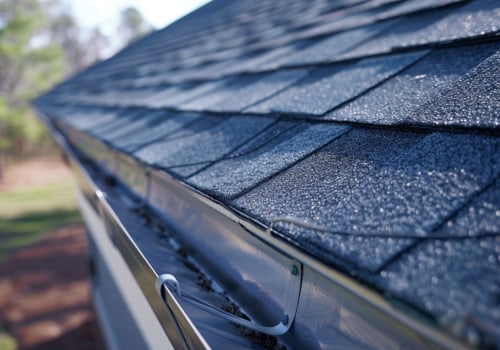
Keeping gutters clean is also essential to prevent water buildup that could damage the roof over time. Simple repairs like tightening loose screws or sealing small leaks can often be handled without professional help. In conclusion, understanding the various types of metal roofing empowers homeowners to choose the most suitable option for their specific needs while ensuring long-lasting benefits from their investment.
Aluminum Roofing
Aluminum roofing is gaining recognition in the construction industry due to its remarkable properties and benefits. One of the standout features of aluminum roofing is its lightweight nature, making it an excellent choice for various building types. This lightweight characteristic not only simplifies installation but also reduces the overall load on the building structure, allowing for more versatile architectural designs. Another significant advantage of aluminum roofing is its resistance to rust.Unlike other metals that may corrode over time, aluminum naturally forms a protective oxide layer that shields it from moisture and environmental elements. This makes aluminum roofing especially appealing for homeowners in regions where heavy rainfall or humidity can lead to rusting issues. Furthermore, aluminum roofing is highly suitable for coastal areas. The proximity to saltwater can be detrimental to many roofing materials, leading to premature deterioration. However, aluminum's inherent resistance to corrosion means it can withstand the harsh conditions commonly found in coastal climates, ensuring longevity and durability. In summary, aluminum roofing offers a winning combination of being lightweight, rust-resistant, and perfectly suited for coastal environments, making it an excellent option for those considering metal roofing alternatives.
Steel Roofing
Steel roofing is a popular choice among homeowners and builders due to its impressive durability and cost-effectiveness.It is available in various types, with galvanized and galvalume being the most common options.
Galvanized steel roofing
is coated with a layer of zinc to protect against rust and corrosion. This type of steel is particularly resilient and can last for decades with proper maintenance. Additionally, its reflective properties contribute to energy efficiency, helping to reduce heating and cooling costs. On the other hand, galvalume steel roofing combines zinc and aluminum for an even more robust barrier against the elements. This type of roofing offers superior resistance to rust and corrosion, making it an excellent choice for areas with high humidity or frequent rainfall.Galvalume roofs also have a sleek appearance that appeals to many homeowners. Both galvanized and galvalume options are cost-effective in the long run due to their longevity and minimal maintenance requirements. When choosing between these two types, consider factors such as local climate, aesthetic preferences, and budget. Ultimately, investing in steel roofing can enhance your home’s value while providing reliable protection against the elements.
Zinc Roofing
Zinc roofing is gaining recognition as a sustainable and innovative choice for homeowners looking to enhance their roofs with both functionality and style. One of the most remarkable features of zinc roofing is its self-healing properties, which allow it to withstand the test of time and environmental challenges. When exposed to the elements, zinc undergoes a unique weathering process that helps to develop a protective patina.This patina not only adds to the aesthetic appeal of the roof but also serves as a barrier against corrosion. As zinc roofing ages, it transitions from a shiny metallic finish to a striking blue-grey hue, enhancing its charm and character. Moreover, zinc roofing is an eco-friendly option, as it is 100% recyclable and has a long lifespan, often lasting over 100 years with minimal maintenance. This durability translates into reduced waste and fewer resources needed for replacements over time, making it an excellent choice for environmentally conscious consumers. In summary, zinc roofing stands out not just for its beauty but also for its sustainable properties and longevity. Homeowners considering various options should take into account the benefits that come with choosing this unique material.
Copper Roofing
Copper roofing is renowned for its stunning aesthetic appeal and long lifespan, making it a popular choice among homeowners and architects alike.The unique color and sheen of copper develop over time, transitioning from a bright, metallic finish to an elegant green patina that many find desirable. This natural aging process not only enhances the roof's beauty but also serves as a protective layer against corrosion. Historically, copper roofs have adorned some of the most iconic structures around the world, including cathedrals, government buildings, and historical landmarks. Their timeless elegance complements various architectural styles, from classical to contemporary. In modern designs, copper is often used for accents or entire roofing systems, providing a luxurious touch that stands out in any neighborhood. Beyond their visual appeal, copper roofing offers exceptional durability.
With a lifespan that can exceed 100 years when properly maintained, these roofs are an investment that pays off over time. Their resistance to extreme weather conditions and low maintenance requirements make them an attractive option for those seeking longevity and reliability in their roofing materials. When considering copper roofing, it is essential to factor in the initial cost, which tends to be higher than other materials. However, the long-term benefits and unique aesthetic qualities can justify this expense for many homeowners looking to add a distinctive flair to their property.
Maintenance Tips
Maintaining your metal roof is essential to ensure its longevity and performance. Regular inspections and timely repairs can help you avoid costly issues down the line.Here are some effective maintenance tips to keep your metal roofing in top condition. First, schedule periodic inspections, ideally twice a year, to check for any signs of wear or damage. Look for loose panels, rust spots, or signs of corrosion. Pay special attention to the seams and flashing, as these areas are more vulnerable to leaks. Another important aspect of metal roof maintenance is cleaning. Remove debris such as leaves, branches, and dirt that can accumulate on the roof surface.
Use a soft-bristle broom or a leaf blower to prevent scratching the metal. If necessary, wash the roof with a mild detergent and water to keep it looking new. If you notice any minor damage during your inspections, such as small dents or scratches, address them promptly. Most minor issues can be repaired using metal roofing paint or sealants specifically designed for your roof type. For larger problems, such as rust or extensive damage, consult a professional for repairs. Finally, ensure that your gutters and downspouts are free of blockages.
Proper drainage is crucial to prevent water accumulation on the roof, which can lead to leaks and other structural issues. By following these maintenance tips, you can extend the life of your metal roofing and enjoy its benefits for many years to come.
Choosing a Contractor
When it comes to installing or repairing your metal roofing, selecting the right contractor is crucial for ensuring quality workmanship and long-lasting results. Here are some essential tips to consider when hiring a roofing contractor:1.Licensing and Insurance: Always verify that the contractor holds the necessary licenses to operate in your area. A reputable contractor will also have liability insurance and workers' compensation coverage.This protects you from potential liabilities in case of accidents during the project.
2.Experience:
Look for contractors who specialize in metal roofing. An experienced contractor will have the skills and knowledge to handle the unique requirements of metal roofing installations, including proper installation techniques and material handling.3.Reviews and References:
Check online reviews and ask for references from previous clients. Positive feedback and testimonials can give you insight into the contractor's reliability, quality of work, and customer service. Don't hesitate to reach out to past clients to ask about their experiences.4.Written Estimates:
Request written estimates from multiple contractors.This will help you compare prices, materials, and services offered. Be wary of significantly low bids, as they may indicate subpar materials or workmanship.
5.Warranty Information:
Inquire about warranties on both the materials and the installation work. A solid warranty can provide peace of mind and protection against future issues. By carefully considering these factors, you can confidently select a contractor who will ensure your metal roofing project is completed successfully and meets your expectations. In conclusion, we have explored a variety of metal roofing options including steel roofing, aluminum roofing, copper roofing, and zinc roofing. Each type comes with its unique set of characteristics, benefits, and considerations that cater to different needs and preferences. Choosing the right type of metal roofing is crucial, as it impacts not only the durability and energy efficiency of your home but also its aesthetic appeal.Understanding the specific properties of each material can help homeowners make informed decisions that align with their personal style and budget. We encourage you to conduct further research or consult with professionals to ensure that your choice reflects your individual requirements. With the right information and guidance, you can invest in a metal roof that offers long-lasting value and satisfaction.