When it comes to your home, the roof is often one of the most overlooked components, yet it plays a crucial role in protecting your living space from the elements.
Planning for future maintenance
is not just a wise decision; it’s an essential part of ensuring the longevity and efficiency of your roofing system. As seasons change and weather patterns evolve, your roof faces an array of challenges that can impact its performance and durability. Imagine this: a storm rolls through, and while your neighbors scramble to patch leaks and repair damage, you sit back, confident in the knowledge that you have taken the necessary steps to future-proof your roof. This article will guide you through the important aspects of essential maintenance planning, helping you to anticipate potential issues before they arise and ensuring that your roof remains in peak condition for years to come. Join us as we explore practical tips, insightful strategies, and expert recommendations that will empower you to take charge of your roof's health.Whether you're a new homeowner or have lived under the same roof for decades, understanding how to effectively plan for maintenance is vital. Don’t wait for problems to knock on your door; instead, arm yourself with knowledge and proactive solutions that will safeguard your investment.
Planning for future maintenance
is a crucial part of ensuring the longevity and functionality of your roof. There are various roofing options available in the market, each with unique characteristics that cater to different preferences and needs. Common choices include asphalt shingles, metal roofs, tile roofs, and flat roofs. is a crucial part of ensuring the longevity and functionality of your roof. There are various roofing options available in the market, each with unique characteristics that cater to different preferences and needs. Common choices include asphalt shingles, metal roofs, tile roofs, and flat roofs.Asphalt shingles are widely popular due to their affordability and ease of installation. They typically last between 15 to 30 years and require minimal maintenance, primarily involving periodic inspections and cleaning of debris. However, they may not perform well in extreme weather conditions and can be prone to damage from high winds.
Metal roofs
, on the other hand, are gaining popularity for their durability and longevity, often lasting over 50 years with proper maintenance. They can withstand harsh weather conditions, making them suitable for a variety of climates.Maintenance primarily involves keeping the surface clean and checking for rust or loose fasteners.
Tile roofs
, made from materials like clay or concrete, offer excellent longevity, often exceeding 100 years. They are highly durable but can be heavy and require a sturdy roof structure. Regular inspections are essential to check for cracked tiles or debris buildup that can lead to leaks.Flat roofs
present a different set of challenges.While they are often less expensive to install, they tend to accumulate water, which can lead to leaks if not properly maintained. Regular inspections and a proactive approach to sealing any potential leaks are critical for flat roof longevity. To ensure that your roofing system remains in optimal condition, it’s imperative to hire qualified roofing contractors who understand the specific requirements of your chosen roofing material. When selecting a professional for the job, consider their experience, customer reviews, licensing, and insurance coverage. Asking for detailed estimates and comparing them can also aid in making an informed decision. Homeowners may encounter common roofing problems such as leaks, missing shingles, or algae growth.
To mitigate these issues, practical maintenance tips include cleaning gutters regularly to prevent water backup, inspecting for any signs of wear or damage post-storms, and trimming overhanging branches that could cause damage during windy conditions. For those interested in DIY methods for roof inspection, it’s crucial to know what to look for during your checks. Inspect the roof from the ground using binoculars; check for missing or damaged shingles, rust spots on metal roofs, or any signs of sagging. It’s also wise to look for water stains on ceilings indoors as these can indicate leaks. However, if you notice significant damage or feel unsafe performing inspections yourself, it’s best to seek professional help. Establishing a maintenance schedule or checklist can greatly benefit homeowners in keeping their roofs in good condition.
A seasonal checklist might include cleaning gutters every spring and fall, inspecting shingles after heavy storms, checking flashing around chimneys and vents annually, and scheduling professional inspections every few years. Such routines not only ensure the integrity of the roof but also help catch minor issues before they escalate into costly repairs. The debate between DIY versus professional work often leads to differing opinions among homeowners. On one hand, DIY projects can save money and provide a sense of accomplishment; however, they may also carry risks if homeowners lack the necessary skills or knowledge. On the other hand, hiring professionals ensures that tasks are performed correctly and safely but at a higher cost.
Ultimately, the decision should be based on the complexity of the task at hand and the homeowner's comfort level with performing such work. In conclusion, planning for future maintenance is essential for extending the lifespan of your roof. Understanding various roofing options available in the market and their specific maintenance needs is crucial in making informed decisions about your home’s protection. Regular upkeep not only prevents costly repairs but also enhances your home’s overall value.
DIY Roof Inspection Techniques
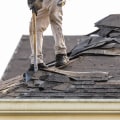
Conducting regular roof inspections is a vital part of planning for future maintenance. By identifying potential issues early, you can address them before they lead to significant damage and costly repairs.Here are some safe methods for inspecting your roof:First, always prioritize safety when inspecting your roof. Use a sturdy ladder to access the roof and ensure it is placed on stable ground. Consider having a friend assist you while you climb to provide support and help in case of an emergency. Once on the roof, look for visible signs of wear and tear. Check for missing or damaged shingles, as these can lead to leaks.
Pay attention to the condition of flashing around chimneys and vents, as this is a common area where water can penetrate. Another critical aspect of your inspection is assessing the drainage system. Ensure that gutters and downspouts are clear of debris, as clogged gutters can cause water to back up and damage your roof. Look for any sagging areas or pooling water on the roof surface, which may indicate underlying structural issues. Lastly, it’s important to inspect the underside of your roof from the attic if possible. Look for signs of water damage, mold, or rot.
These indicators can provide valuable insight into the condition of your roofing system and help you plan for future maintenance.
Maintenance Tips for Homeowners
Regular Inspections are crucial for maintaining the health of your roof. Homeowners should conduct visual inspections at least twice a year, ideally in the spring and fall. Look for any signs of damage, such as missing shingles, cracks, or sagging areas.Clean Gutters
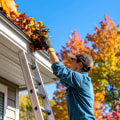
regularly to prevent water buildup that can lead to leaks and structural damage. Ensure that downspouts are directing water away from the foundation to avoid further complications.Remove Debris
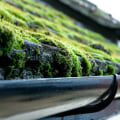
from the roof surface, including leaves, branches, and moss.Accumulated debris can trap moisture and cause deterioration over time.
Check Flashing
around vents, chimneys, and skylights for any signs of wear or damage. Proper sealing is essential to prevent leaks in these vulnerable areas.Trim Overhanging Branches
to minimize the risk of damage during storms or high winds. This will also reduce debris falling onto the roof.Inspect Attic Insulation
and ventilation to ensure they are adequate. Proper insulation helps maintain temperature balance, preventing ice dam formation in colder climates.Monitor for Leaks
or water stains on ceilings and walls inside your home.Early detection of leaks can save homeowners from costly repairs.
Schedule Professional Inspections
at least every few years to ensure that your roof remains in optimal condition. Professionals can identify issues that may not be visible to the untrained eye.Choosing the Right Contractor
When it comes to planning for future maintenance of your roof, selecting the right contractor is crucial. A reliable contractor not only ensures quality installation but also provides ongoing support for maintenance needs. Here are some key criteria and tips to guide you in your selection process:1.Experience and Reputation
: Look for a contractor with a solid track record in the roofing industry.Check their years of experience, customer reviews, and testimonials. A reputable contractor will have a portfolio of previous work that you can review.2.
Licensing and Insurance
: Ensure that the contractor is fully licensed and insured. This protects you from liability in case of accidents during the roofing process. Always ask for proof of insurance and verify its validity.3.Specialization
: Different roofing materials require specific installation techniques and maintenance approaches.Choose a contractor who specializes in the type of roof you have or plan to install, whether it’s asphalt shingles, metal roofing, or tile.4.
Detailed Estimates
: A reliable contractor will provide a detailed estimate that outlines all costs associated with the project, including materials, labor, and any additional fees. Avoid contractors who provide vague or overly low estimates.5.Warranty and Aftercare
: Inquire about the warranty on both materials and labor. A good contractor will offer warranties that cover defects and ensure ongoing maintenance support. This is vital for future-proofing your roof.6.Communication Skills
: Effective communication is essential for a successful project.Choose a contractor who listens to your concerns, answers your questions thoroughly, and keeps you informed throughout the process. By following these guidelines, you can confidently choose a contractor who will not only perform high-quality work but also assist in maintaining your roof’s integrity for years to come.
Understanding Different Roofing Materials
When it comes to planning for future maintenance, understanding the various roofing materials available is crucial. Each type of roofing material has its own unique characteristics that influence its durability, maintenance needs, and overall performance.Asphalt Shingles
are one of the most popular roofing materials due to their affordability and ease of installation. They typically last around 20-30 years but require regular inspections to check for curling or missing shingles. The main advantages include cost-effectiveness and a wide range of styles, while disadvantages involve susceptibility to weather damage and a shorter lifespan compared to other materials.Metal Roofing
is known for its longevity and resilience, often lasting 50 years or more with minimal maintenance.It reflects heat, which can help reduce energy costs, but installation can be more expensive upfront. Metal roofs are resistant to rot and insects, yet they can be noisy during rain and hail if not properly insulated.
Tile Roofing
, made from clay or concrete, offers a distinct aesthetic appeal and exceptional durability, often lasting over 100 years with proper care. While they are fire-resistant and energy-efficient, tile roofs are heavy and may require additional structural support. Their main downside is the high installation cost and potential for breakage under heavy impact.Wood Shakes
provide a natural look that many homeowners appreciate, but they require diligent maintenance to prevent issues like mold, mildew, and insect infestations.Typically lasting 30-40 years, they are environmentally friendly but can be more expensive to maintain over time. Lastly, EPDM (Ethylene Propylene Diene Monomer) is a popular flat roofing option known for its durability and weather resistance. It usually lasts around 30-50 years with low maintenance requirements. However, it may not be as aesthetically pleasing as other materials and can be prone to punctures if not properly cared for. Understanding these characteristics helps homeowners make informed decisions about their roofing systems and develop an effective maintenance plan tailored to the specific needs of their roof.
Common Roofing Problems and Solutions
When it comes to roofing, being aware of common issues can help homeowners address problems before they escalate. Here are some frequent roofing problems and their effective repair strategies:1.Leaks: One of the most common issues, leaks can occur due to damaged shingles, flashing, or gutters.Regular inspections can help identify potential leak points. For repairs, replace any damaged shingles and ensure that flashing is properly sealed. In severe cases, a professional may need to assess and fix the underlying issues.
2.Ponding Water:
This problem is particularly common in flat roofs where water does not drain properly. It can lead to significant structural damage over time.To resolve this issue, ensure that drainage systems are clear and functional. Installing additional drains or sloping the roof may also be necessary.
3.Damaged Shingles:
Weather conditions such as hail or strong winds can cause shingles to crack or become dislodged. Regularly inspect your roof for missing or damaged shingles and replace them promptly to prevent water intrusion.4.Granule Loss:
The granules on asphalt shingles provide UV protection and contribute to the roof's durability. If you notice granules in your gutters, it may indicate that your shingles are aging and need replacement.Regular maintenance can help identify this early.
5.Mold and Mildew:
Moisture buildup can lead to mold growth on roofs, especially in shaded areas. Keeping the roof clean and ensuring proper ventilation can mitigate this issue. If mold is present, it’s important to treat it with appropriate cleaning solutions or consult a professional.6.Clogged Gutters:
Clogged gutters can cause water to back up, leading to leaks and damage. Regularly cleaning gutters and ensuring proper downspouts will help maintain effective drainage. By being proactive about these common roofing problems, homeowners can save on costly repairs and extend the lifespan of their roofs. In conclusion, planning for future maintenance is crucial for ensuring the longevity and durability of your roofing system.Throughout this article, we emphasized the significance of regular upkeep, which not only extends the lifespan of your roof but also helps to prevent costly repairs down the line. By understanding the various roofing materials and their specific maintenance requirements, homeowners can make informed decisions regarding their roofs. We also discussed the importance of choosing the right contractor for your roofing needs, as well as practical maintenance tips for homeowners that can be easily implemented. Additionally, we provided DIY roof inspection techniques to empower you to regularly check your roof's condition. It is essential to be aware of common roofing problems and their solutions, allowing you to address issues proactively. To ensure you stay on top of your roof’s maintenance needs, we encourage you to take action by creating a that can be easily implemented. Additionally, we provided DIY roof inspection techniques to empower you to regularly check your roof's condition. It is essential to be aware of common roofing problems and their solutions, allowing you to address issues proactively. To ensure you stay on top of your roof’s maintenance needs, we encourage you to take action by creating a maintenance schedule and seeking professional help when necessary.
Taking these steps will help safeguard your investment and keep your home protected.