When it comes to maintaining the integrity of your home, roofing repairs stand out as one of the most critical tasks. The roof serves as your home's first line of defense against the elements, ensuring that you and your family remain safe and comfortable. However, not all roofing issues are straightforward; some require specialized knowledge and skills that go beyond basic handyman fixes. This is where complex repairs that require expertise come into play. Understanding when to call in a professional can save you time, money, and stress.
Many homeowners underestimate the intricacies involved in roofing repairs, leading to misguided DIY attempts that can exacerbate existing problems. From identifying leaks caused by underlying structural damage to addressing issues related to ventilation and insulation, the complexities of roofing repairs demand a level of expertise that only seasoned professionals can provide. In this article, titled Expert Solutions for Complex Roofing Repairs, we will delve into the various types of intricate repairs that necessitate professional intervention. We will explore the signs that indicate it's time to call an expert and discuss the techniques they employ to restore your roof effectively. By understanding the importance of expert solutions for complex roofing issues, you'll be better prepared to make informed decisions about your home's maintenance needs. So, if you're ready to learn about the essential aspects of roof repair techniques and when to seek professional help, keep reading as we guide you through the world of complex roofing repairs!Addressing roofing issues promptly is crucial for maintaining the integrity of your home.
Neglecting these problems can lead to extensive damage, increased repair costs, and even health risks due to mold or structural failure. While many homeowners can handle minor repairs like replacing a few shingles or sealing small leaks, complex repairs that require expertise are a different story. These types of repairs often involve specialized knowledge and skills that only experienced contractors possess. There are several types of complex roofing repairs that homeowners may encounter. For instance, structural damage is one of the most serious issues that can arise from prolonged neglect.
This can be due to various factors, including severe weather conditions or the age of the roofing materials. When the structure of the roof is compromised, it can lead to sagging or even collapse, which poses significant risks to your safety. Another common issue arises from leaks caused by improper installation. When roofing materials are not installed correctly, water can seep in, leading to extensive damage over time. Identifying these leaks early is crucial, but they are often hidden until significant damage has occurred.
Homeowners should also be aware of specific material-related issues; for example, slate and tile roofs require unique repair techniques due to their fragility and the specific installation methods used. Identifying signs of complex problems that require professional attention is essential for preventing further damage. Homeowners should be vigilant for signs such as sagging roofs, which can indicate structural failure, or extensive water damage in the attic or ceilings. Additionally, if you notice mold growth or a musty odor, it’s likely a sign of prolonged moisture exposure that demands immediate attention. When it comes to roofing materials, each type presents its own unique repair challenges. Asphalt shingles are among the most commonly used materials, and while they are relatively easy to repair, improper handling can lead to further complications.
Conversely, slate roofs are notoriously difficult to repair due to the need for precise alignment and matching materials. Tile roofs also present challenges; cracked tiles may need professional replacement to ensure proper sealing and insulation. If you find yourself facing a complex roofing repair, hiring a qualified contractor is essential. Begin by assessing their qualifications; look for contractors with extensive experience in the specific type of repair you need. Check their references and ask about previous projects similar to yours.
It’s also critical to ensure that any contractor you consider has the proper licensing and insurance coverage. This protects you from liability should any accidents occur during the repair process. To avoid complex repairs in the future, preventative maintenance is key. Regularly inspect your roof for signs of wear and tear, clear debris from gutters and downspouts, and ensure proper ventilation in your attic to prevent moisture buildup. Simple inspections can be performed by homeowners; however, if you notice anything concerning or feel unsure about your findings, it’s always best to err on the side of caution and contact a professional. While there are some DIY methods available for basic inspections or minor repairs, it’s crucial to recognize when a job exceeds your skill level.
If you encounter significant structural issues or extensive water damage, do not hesitate to call in a professional. The potential risks associated with complex repairs that require expertise far outweigh any short-term savings from attempting a DIY fix.
Identifying Complex Roofing Issues
Recognizing when a roofing issue has escalated beyond simple DIY fixes is crucial for maintaining the integrity of your home.Complex repairs that require expertise
often manifest through various signs that homeowners should be vigilant about. One of the primary indicators is the presence of significant water damage inside your home. If you notice stains on your ceilings or walls, this may suggest that water is infiltrating through your roof, possibly due to a compromised roofing system.Ignoring these signs can lead to more extensive damage and mold growth, which can pose health risks to your family. Another sign to watch for is the sagging of your roof. A sagging roof is a clear indication of structural issues that may require professional assessment and repair. This often suggests that the underlying support system has been compromised, which is not a task for an inexperienced homeowner. Additionally, if you observe missing or damaged shingles, this could lead to leaks and further deterioration of your roofing system. While replacing a few shingles might seem manageable, a pattern of missing shingles could indicate a larger problem with the roof’s integrity. Lastly, if your roof is older and showing signs of wear, such as cracked tiles or excessive granule loss, it’s wise to consult with a professional.
Roofing materials have lifespans, and complex repairs associated with aging roofs often require specialized knowledge to ensure proper installation and repair. In summary, being proactive about recognizing these signs not only protects your home but also emphasizes the importance of consulting with experienced contractors who can address complex repairs that require expertise.
Understanding Different Roofing Materials
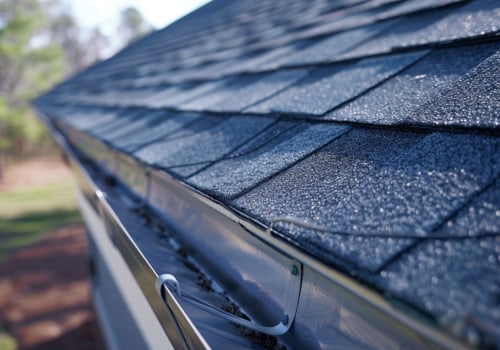
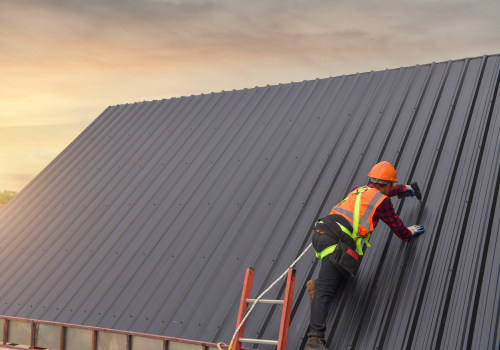
When it comes to complex repairs in roofing, the type of material used can significantly influence both the difficulty of the repair and the expertise required. Different roofing materials possess unique characteristics that dictate how they respond to damage and the methods needed for effective repair. For instance, asphalt shingles are among the most common roofing materials and are relatively straightforward to repair. However, if they are installed over multiple layers or have been subjected to severe weather conditions, the repairs can become more intricate, requiring a professional who understands the nuances of layering and potential underlying issues. On the other hand, metal roofs can present their own set of challenges. While they are known for their durability, repairing a metal roof often requires specialized tools and techniques to ensure that seams are sealed correctly and that there is no risk of corrosion.A contractor with experience in metal roofing is essential for addressing any leaks or damage effectively.
Tile roofs
, whether made from clay or concrete, are also complex to repair due to their weight and fragility. Cracked or broken tiles need to be replaced carefully to maintain the roof's integrity and aesthetic appeal. This kind of repair requires knowledge about the specific tile type and installation techniques to avoid further damage. Finally, flat roofs, often found on commercial buildings, demand a thorough understanding of waterproofing systems. Repairs may involve working with materials like EPDM or TPO, which require specific expertise to install correctly.Neglecting flat roof issues can lead to significant water damage, making it imperative that homeowners seek qualified professionals for repairs. In summary, understanding the different types of roofing materials is crucial in recognizing the need for specialized skills when addressing complex repairs. Each material comes with its own set of challenges, and hiring an experienced contractor ensures that repairs are done safely and effectively.
When DIY Isn't Enough
While many homeowners take pride in their ability to tackle minor repairs around the house, there are certain scenarios where complex repairs that require expertise cannot be adequately handled without professional assistance. Understanding these situations is crucial for maintaining the integrity of your roof and ensuring the safety of your home. One common instance where DIY efforts fall short is during significant leaks or water damage. If a roof has sustained extensive damage due to weather conditions or age, the underlying issues may not be visible to the untrained eye.A professional can conduct a thorough inspection to identify complex repairs that require expertise and determine the best course of action. Another situation is when dealing with unique roofing materials, such as slate or tile. These materials often require specialized installation techniques and tools that most homeowners do not possess. Attempting to repair these types of roofs without proper knowledge can lead to further damage and increased repair costs. Additionally, if your roof has structural issues, such as sagging or extensive rot, it's critical to call in an expert. These problems may indicate serious underlying issues that need to be addressed by someone with the proper training and experience in complex repairs that require expertise.
Ignoring these signs or attempting a DIY fix can jeopardize the safety of your home. Finally, if you're unsure about the necessary permits or local building codes for a roofing project, hiring a professional is essential. They are well-versed in these regulations and can ensure that your repairs comply with legal standards, preventing potential fines or complications down the road. In conclusion, while DIY projects can be rewarding, recognizing when to seek professional help is key to successfully navigating complex repairs that require expertise. The investment in a qualified contractor not only protects your home but also provides peace of mind knowing that the job will be done correctly.
The Process of Hiring a Roofing Contractor
When it comes to complex repairs that require expertise, choosing the right roofing contractor is crucial. Here is a step-by-step guide to help you select qualified professionals who can handle your roofing needs effectively.1.Research Local Contractors:
Start by looking for roofing contractors in your area.Utilize online resources, such as Google or Yelp, to find reviews and ratings. Ask friends, family, or neighbors for recommendations based on their experiences.
2.Verify Credentials:
Ensure that the contractors you consider are licensed and insured. A reputable roofing contractor should have all necessary permits and carry liability insurance and worker's compensation coverage.3.Check Experience and Specialization:
Look for contractors who have experience with the specific type of roofing system you have. Different materials and structures may require specialized knowledge, so choose someone who is well-versed in your particular needs.4.Request Multiple Estimates:
Contact several contractors to obtain detailed estimates for the work required.This will give you an idea of the average cost and help you identify any discrepancies in pricing.
5.Ask About Warranties:
Inquire about warranties for both the materials used and the workmanship provided. A reliable contractor should stand behind their work and offer warranties that reflect their confidence in the services they provide.6.Review Contracts Thoroughly:
Before signing any contracts, ensure that all terms, including project timelines, payment schedules, and scope of work, are clearly outlined. Do not hesitate to ask questions if anything is unclear.7.Trust Your Instincts:
Finally, trust your instincts when making a decision. Choose a contractor who communicates openly, demonstrates professionalism, and makes you feel comfortable throughout the process. By following these steps, you can confidently hire a qualified roofing contractor who will address your complex repairs that require expertise effectively and professionally.Maintenance Tips to Prevent Complex Repairs
Regular roof maintenance is essential to prevent complex repairs that require expertise.By taking proactive measures, homeowners can extend the lifespan of their roofs and minimize the risk of significant issues down the line. Here are some practical tips to help you maintain your roof effectively:1.Conduct Regular Inspections: Schedule regular roof inspections at least twice a year, ideally in the spring and fall. Look for signs of damage such as cracked shingles, rusted flashing, or debris accumulation. Early detection of minor issues can prevent them from escalating into complex repairs.
2.Keep Gutters Clean:
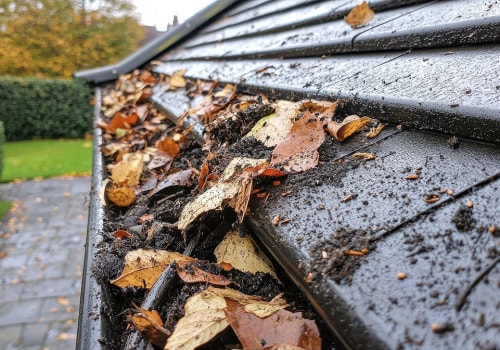
Clogged gutters can lead to water backup, which may cause leaks and structural damage.Ensure that your gutters and downspouts are free of leaves, twigs, and other debris. Consider installing gutter guards to reduce maintenance efforts.
3.Trim Overhanging Branches:
Trees that are too close to your roof can cause damage during storms or high winds. Regularly trim back overhanging branches to prevent them from falling on your roof and causing complex repairs.4.Address Algae and Moss Growth:
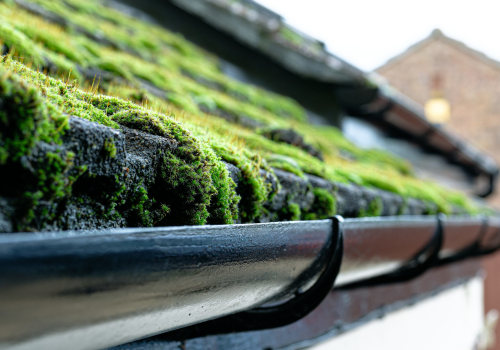
Algae and moss can trap moisture on your roof, leading to deterioration. If you notice these growths, use a mixture of water and bleach or a specialized roof cleaner to remove them.Installing zinc or copper strips can also help inhibit future growth.
5.Check Flashing and Seals:
Inspect the flashing around chimneys, vents, and skylights for any signs of wear or damage. Properly sealed flashing is crucial for preventing leaks that could lead to extensive repairs.6.Ensure Proper Ventilation:
A well-ventilated attic helps regulate temperature and moisture levels, reducing the risk of ice dams in winter and prolonging the life of your roofing materials. Make sure your attic has sufficient vents to allow for proper airflow.7.Be Mindful of Heavy Snow and Ice:
In regions prone to heavy snowfall, it's important to remove excess snow from your roof after storms. Accumulated snow can add weight and lead to sagging or even collapse in extreme cases. By following these maintenance tips, homeowners can significantly reduce the likelihood of encountering complex roofing issues that require professional expertise.A well-maintained roof not only protects your home but also saves you money in the long run by avoiding costly repairs.
When DIY Isn't Enough
While many homeowners take pride in their ability to tackle minor repairs around the house, complex repairs that require expertise often fall outside the realm of DIY capabilities. Understanding when to call in a professional can save time, money, and potential hazards. One common scenario where professional help is essential is when dealing with significant roof leaks. A small leak may seem manageable, but if the source is not easily identifiable, it could lead to substantial damage if ignored. Professionals have the tools and experience to locate hidden leaks and assess any underlying damage that may not be visible to the untrained eye. Another situation demanding expert intervention is when a roofing system shows signs of structural damage.Issues such as sagging roofs, damaged rafters, or compromised trusses indicate that the integrity of the entire structure may be at risk.
Complex repairs that require expertise
in structural engineering are critical in these cases to ensure safety and compliance with building codes. Additionally, specialized roofing materials, such as slate or tile, often require specific skills for installation and repair. Attempting to work with these materials without proper knowledge can lead to costly mistakes and further complications. Hiring experienced contractors who understand the nuances of these materials can provide peace of mind and guarantee quality workmanship. Finally, situations involving extensive storm damage or unforeseen issues during repairs should always prompt a call to a professional.The unpredictability of roofing systems means that what starts as a simple fix can quickly escalate into a larger project requiring specialized knowledge. In these cases, it is better to rely on seasoned professionals who can assess the full scope of the problem and implement effective solutions. In summary, while homeowners may have the skills to handle basic maintenance tasks, understanding when DIY isn't enough is crucial for avoiding further complications and ensuring that complex roofing repairs are conducted safely and effectively.
When DIY Isn't Enough
While many homeowners possess the skills to handle minor repairs, there are certain situations in roofing maintenance where professional help becomes essential. For instance, when dealing with significant structural damage, such as a compromised roof deck or extensive water damage, it is crucial to call in a specialist. These issues often require a deep understanding of roofing systems and materials that an average homeowner may not possess. Additionally, if a roofing issue involves complex elements like chimneys, skylights, or ventilation systems, the intricacies of these structures necessitate the expertise of a trained contractor.Incorrect repairs in these areas can lead to further complications, including leaks or structural instability. Furthermore, when a repair job requires specialized tools or equipment—such as scaffolding for high roofs or advanced sealing techniques—relying on a professional can ensure the work is done safely and effectively. Homeowners should also consider the warranty implications; many roofing materials come with warranties that may be voided if repairs are not performed by certified professionals. Lastly, if the homeowner feels overwhelmed or unsure about the extent of the repair needed, seeking expert solutions is always advisable. Taking the time to consult with a professional can prevent costly mistakes and ensure that the roof remains in optimal condition. In conclusion, addressing roofing issues promptly is essential to avoid further complications and costly repairs. Throughout this article, we highlighted the significance of recognizing complex repairs that require expertise and understanding various roofing systems.
While some minor repairs can be managed by homeowners, it’s crucial to identify when these issues exceed DIY capabilities. Hiring experienced contractors not only ensures that the repairs are executed correctly but also safeguards your home from potential hazards associated with improper fixes. Remember, prioritizing safety should always come first, and seeking professional assistance for your roofing needs is a wise investment in the long-term health of your property.