When it comes to roofing materials, the choice can significantly impact not only the aesthetic appeal of a home but also its overall durability and lifespan. Among the various options available, When it comes to roofing materials, the choice can significantly impact not only the aesthetic appeal of a home but also its overall durability and lifespan. Among the various options available, wood shakes stand out as a timeless and natural choice that evokes a sense of rustic charm. However, potential homeowners and builders often wonder about the durability of wood shakes and how they fare against the elements over time. Understanding the longevity of wood shakes requires a closer examination of various factors, including the type of wood used, environmental conditions, maintenance practices, and installation techniques. With a multitude of roofing materials on the market today, it is essential to comprehend what makes wood shakes unique and how they can withstand the test of time. This article aims to unravel the complexities surrounding the durability of wood shakes, providing insights into their resilience, advantages, and potential drawbacks.
Whether you are considering a new roofing project or simply interested in learning more about this traditional roofing choice, join us as we explore what contributes to the longevity of wood shakes and how they can enhance your home for years to come. Wood shakes have long been celebrated for their aesthetic appeal and traditional craftsmanship, making them a popular choice in roofing materials. However, understanding the durability of wood shakes is essential for homeowners considering this option. Several factors contribute to the overall longevity and performance of wood shakes, including the species of wood used, treatment processes, and environmental conditions. The choice of wood species significantly impacts the durability of wood shakes. For instance, cedar and redwood are two popular options known for their natural resistance to decay and insect damage.
Cedar shakes, particularly Western Red Cedar, can last between 30 to 50 years when properly maintained. In contrast, untreated wood shakes may have a much shorter lifespan, often only lasting 15 to 25 years due to susceptibility to rot and insects. Studies show that pressure-treated wood shakes can extend the lifespan even further by providing enhanced resistance against moisture and pests. Environmental factors also play a crucial role in determining the longevity of wood shakes. Regions with high humidity levels can accelerate the deterioration process, leading to issues such as mold and rot.
On the other hand, areas with extreme UV exposure can cause wood shakes to dry out and crack over time. For instance, homeowners in coastal regions may find that their wood shakes require more frequent maintenance due to saltwater exposure and humidity. Conversely, in drier climates, such as those found in the Southwest United States, wood shakes can perform exceptionally well if adequately sealed and maintained. Statistics indicate that properly maintained wood shakes can endure various weather conditions for decades. In fact, a study conducted by the National Association of Home Builders revealed that well-maintained cedar shakes could last upwards of 50 years under optimal conditions.
However, regions with harsh winters or excessive rainfall may see reduced lifespans due to the increased risk of water damage. Understanding these regional differences is vital for homeowners contemplating this roofing material. Common concerns surrounding the durability of wood shakes often include susceptibility to mold, rot, and insect infestation. Regular maintenance is paramount in combating these issues. Homeowners should schedule inspections at least once a year to ensure that their roofs remain in good condition.
Additionally, applying protective coatings can help shield wood shakes from moisture and UV damage. These coatings not only enhance longevity but also preserve the natural beauty of the wood. Real-life testimonials from homeowners provide insight into the durability and maintenance of wood shakes. One homeowner from Oregon noted that after 15 years of installation, their cedar shake roof had minimal signs of wear despite heavy rainfall in their region. They attributed this longevity to regular cleaning and the application of a protective sealant every few years.
Another homeowner in Arizona shared their experience with redwood shakes, emphasizing how proper ventilation and periodic inspections had allowed their roof to last over 20 years with minimal issues. When considering the installation or maintenance of wood shakes, consulting professionals is often advisable. Qualified contractors can provide valuable insights regarding local climate conditions and recommend suitable treatment options for enhanced durability. Homeowners should seek reputable contractors who specialize in wood shake installations to ensure that they receive quality workmanship and materials. In conclusion, while durability of wood shakes can be influenced by various factors such as wood species, treatment processes, and environmental impacts, diligent maintenance can significantly extend their lifespan. By understanding these elements and consulting with professionals when necessary, homeowners can enjoy the timeless beauty of wood shakes while ensuring they stand the test of time.
Maintenance Tips for Longevity
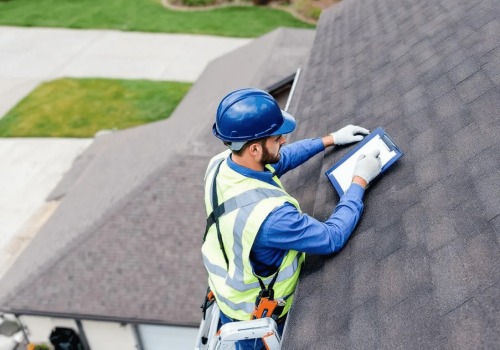
To ensure the durability of wood shakes, homeowners must engage in regular maintenance practices.The first step is to conduct routine inspections, ideally twice a year, to check for any signs of damage or wear. Look for cracked or broken shakes that may need replacement, as these can compromise the integrity of the roof. Another important aspect of maintenance is cleaning. Over time, debris such as leaves, moss, and algae can accumulate on the roof, trapping moisture and leading to decay. Homeowners should gently remove this debris using a soft broom or a leaf blower, taking care not to damage the shakes in the process. Additionally, consider applying a protective sealant or stain specifically designed for wood shakes.
This can help enhance their weather resistance and prolong their lifespan by providing a barrier against moisture and UV rays. Be sure to follow the manufacturer's instructions for application and reapplication intervals. Lastly, keep trees trimmed back from the roof to minimize shade and reduce the likelihood of moss growth. Ensuring good air circulation around the roof can also help prevent moisture buildup, contributing to the overall longevity of your wood shake roofing.
When to Hire a Professional
While wood shakes can be a durable and aesthetically pleasing roofing option, there are specific scenarios where hiring a professional for repairs or inspections is advisable.Professional help
ensures that your roof receives the attention it needs to maintain its longevity and functionality. One key scenario is when you notice visible damage to your wood shakes, such as cracks, splits, or missing pieces.These issues can compromise the integrity of your roof and may lead to more extensive damage if not addressed promptly. A professional roofer can assess the extent of the damage and recommend appropriate repairs. Another situation that warrants professional assistance is after severe weather events. Heavy rains, strong winds, or hail can significantly impact the condition of your wood shakes. If you suspect that your roof has been compromised, it is essential to have a qualified contractor conduct a thorough inspection to identify any hidden issues. Additionally, if your wood shakes are nearing the end of their expected lifespan, typically around 30 years with proper maintenance, it may be wise to consult a professional.
They can provide insights on whether to repair or replace your roofing material based on its current condition and performance. Lastly, if you are considering making changes to your roofing system or adding insulation, hiring a professional can ensure that the installation is done correctly and meets local building codes. Their expertise will help avoid potential pitfalls and ensure the long-term durability of your wood shakes.
Comparing Wood Shakes to Other Roofing Materials
When considering roofing materials, wood shakes stand out for their natural beauty and traditional appeal. However, it is essential to compare their performance against other popular options like asphalt shingles and metal roofing to fully understand their durability and longevity.Asphalt shingles
are one of the most common roofing materials used today. They are known for their affordability and ease of installation.Typically, asphalt shingles have a lifespan of about 20 to 30 years, depending on the quality and maintenance. In contrast, wood shakes can last anywhere from 30 to 50 years when properly maintained, making them a more durable option in the long run. However, wood shakes require more maintenance and care to prevent issues such as rot and warping.
Metal roofing
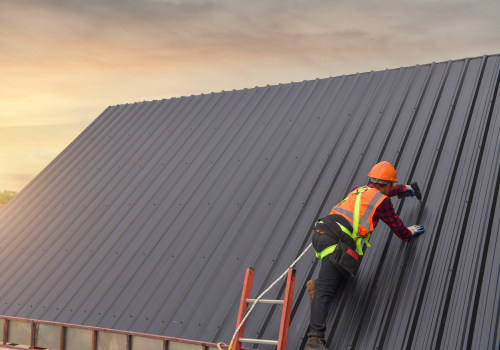
, on the other hand, boasts impressive durability and longevity, often lasting 40 to 70 years. This material is resistant to extreme weather conditions, including high winds and heavy snow.While wood shakes offer aesthetic benefits that many homeowners appreciate, they may not match the performance of metal roofing in terms of weather resistance and lifespan. Another aspect to consider is maintenance.
Wood shakes
necessitate regular inspections and treatments to safeguard against moisture damage, pests, and UV exposure. In contrast, both asphalt shingles and metal roofing typically require less maintenance over time. This factor can significantly influence homeowners' decisions when choosing between these materials. Ultimately, the choice between wood shakes, asphalt shingles, and metal roofing will depend on individual preferences regarding aesthetics, budget, and willingness to invest in ongoing maintenance.Understanding how these materials stack up against one another is crucial for making an informed decision.
Factors Affecting Durability
The durability of wood shakes is influenced by several key factors that can significantly impact their lifespan and overall performance as a roofing material. Understanding these elements is essential for homeowners and roofers alike when considering wood shakes for roofing. One of the most critical factors is the type of wood used. Different species of wood have varying natural properties that affect their longevity. For example, cedar shakes are known for their resistance to decay and insect damage, making them a popular choice.In contrast, other woods may not offer the same level of durability. Another important aspect is the treatment and finish applied to the wood.
Pressure-treated
or chemically treated shakes can resist moisture and pests more effectively than untreated options. Additionally, regular maintenance, such as sealing or staining, can prolong the life of wood shakes by protecting them from environmental elements. The installation process also plays a vital role in durability. Proper installation techniques ensure that shakes are securely fastened and adequately spaced to allow for drainage and ventilation.Poor installation can lead to issues such as water pooling, which can accelerate deterioration. Environmental factors should not be overlooked either. Wood shakes are particularly susceptible to damage from extreme weather conditions, including heavy rain, hail, and strong winds. Areas with high humidity or frequent temperature fluctuations may also contribute to faster wear and tear on the roofing material. Lastly, the slope of the roof can impact durability. Roofs with a steeper slope allow for better water runoff, reducing the chances of moisture accumulation that can lead to rot and decay. By considering these factors—wood type, treatment, installation quality, environmental conditions, and roof slope—homeowners and roofers can make informed decisions regarding the use of wood shakes as a roofing material, ultimately enhancing their longevity and performance. In conclusion, the durability of wood shakes as a roofing material is influenced by various factors including the quality of the wood, environmental conditions, and maintenance practices.
By choosing high-quality materials and adhering to proper maintenance routines, homeowners can significantly enhance the longevity of their roofs. It is essential to remember that while wood shakes offer a unique aesthetic appeal and traditional charm, they also come with specific considerations such as susceptibility to weather-related damage and the need for regular upkeep. Therefore, it is crucial for potential roofers and homeowners to carefully evaluate the benefits of wood shakes against their potential drawbacks when making roofing decisions. Consulting with a professional can also provide valuable insights into ensuring that your investment in wood shakes pays off in terms of durability and visual appeal.