When it comes to roofing options, metal roofs stand out as a popular choice among homeowners and builders alike. Their durability, energy efficiency, and aesthetic appeal make them a top contender in the world of construction. However, just like any other roofing material, installation and maintenance of metal roofs play a crucial role in ensuring their longevity and performance. This article delves into the essential aspects of understanding metal roof installation and maintenance. Whether you're considering a new metal roof for your home or looking to maintain an existing one, grasping the nuances of this process is vital.
By exploring the intricacies involved in proper installation techniques and ongoing maintenance practices, you can make informed decisions that protect your investment. Join us as we uncover valuable insights about metal roofing that will not only enhance your knowledge but also empower you to take the right steps toward a robust and reliable roofing solution. Get ready to discover how the right approach to installation and maintenance of metal roofs can provide peace of mind and add value to your property. Metal roofing has gained immense popularity in recent years, primarily due to its durability, energy efficiency, and aesthetic appeal. When considering installation and maintenance of metal roofs, it is crucial to understand not just the benefits but also the specifics of how these roofs are installed and maintained over time. The installation process begins with selecting the right materials. There are various types of metal roofing available, including standing seam, corrugated, and metal shingles.
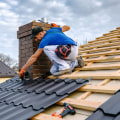
Each type has its own unique installation techniques that must be understood to ensure a successful outcome. For instance, standing seam roofs are installed by fastening the panels to the roof deck using clips that allow for thermal expansion, while corrugated metal sheets are typically overlapped and secured with screws. It is essential to choose materials that suit both the aesthetic preferences and functional needs of your home. Before starting the installation, proper tools are necessary to ensure safety and efficiency. Essential tools include a circular saw for cutting panels, a drill for fastening screws, safety harnesses to prevent falls, and gloves to protect hands from sharp edges.
Additionally, safety measures should always be prioritized during installation. This includes wearing helmets, using ladders safely, and ensuring that the work area is clear of hazards. Once the materials are selected and tools are ready, the installation can commence. The first step is preparing the roof deck by ensuring it is clean and free of debris. Then, an underlayment may be installed to provide an extra layer of protection against moisture.
Following this, the metal panels are laid out according to the specific type being used. Proper alignment is critical to avoid leaks and ensure durability. After installing all panels, a final inspection should be conducted to check for any misalignments or incomplete fastenings. This step is crucial as it ensures that the roof will perform effectively over its lifespan. Moving into the realm of maintenance, it's important for homeowners to understand that regular upkeep is essential for extending the life of their metal roofs. Regular inspections should be scheduled at least twice a year to check for signs of rust or damage.
Homeowners should pay close attention to areas where water may collect, as these can lead to corrosion over time. Another critical maintenance task is cleaning gutters regularly. Clogged gutters can lead to water backing up onto the roof, which increases the risk of damage. Homeowners should also ensure that ventilation is adequate in their attic spaces; poor ventilation can lead to heat buildup and condensation issues that can harm metal roofing. Common repairs that homeowners can often handle themselves include replacing damaged panels or screws. However, more complex issues such as leaks around flashing or structural repairs should be left to professionals who have the right expertise and equipment.
It's vital to recognize one's limitations when it comes to DIY repairs. When it comes time for installation or major repairs, choosing a reliable contractor becomes paramount. Homeowners should look for contractors with strong credentials and proven experience in metal roofing installation. Checking references, reading reviews, and confirming licenses and insurance can help ensure that homeowners select a qualified professional. The need for proper maintenance cannot be overstated; common issues faced by homeowners often stem from neglecting these practices. For example, rusting can occur if gutters are not cleaned regularly or if debris is allowed to sit on the roof surface too long.
Additionally, improperly sealed seams can lead to leaks that require costly repairs down the line. In conclusion, understanding the installation and maintenance of metal roofs is essential for homeowners who want to enjoy their benefits fully. By following best practices during installation and committing to regular maintenance checks, homeowners can protect their investment and ensure their roofs remain in excellent condition for years to come.
DIY vs Professional Services
When it comes to the installation and maintenance of metal roofs, homeowners often face the decision of whether to tackle the job themselves or hire professional services. Understanding the scope of the work involved is crucial in making this decision.DIY maintenance
can be a feasible option for minor tasks such as clearing debris from gutters, inspecting for loose screws, or applying sealant to small leaks. These tasks require minimal tools and expertise, making them manageable for the average homeowner.Regular upkeep, like cleaning your roof and checking for wear, can extend the life of your metal roofing without necessitating professional help. However, there are scenarios where hiring a contractor is the best choice. For example, if you encounter significant damage, such as large leaks or rust spots, it is advisable to seek professional assistance. Additionally, installation of a new metal roof or complicated repairs may involve intricate techniques and safety considerations that necessitate expert knowledge and equipment. Professionals bring experience and ensure that work is completed to code, which can prevent future issues. Ultimately, weighing the complexity of the task against your own skills and experience will guide you in deciding whether to go the DIY route or hire professionals for the installation and maintenance of metal roofs.
Maintenance Tips for Longevity
To ensure your metal roof remains in optimal condition over time, regular maintenance is essential.Here are key practices to keep in mind:1.Regular Inspections: Conduct routine inspections at least twice a year, ideally in spring and fall. Look for any signs of wear, rust, or damage that may require attention.
2.Clean Gutters and Downspouts:
Ensure that gutters and downspouts are free from debris. Clogged gutters can lead to water pooling, which may compromise the integrity of your metal roof.3.Remove Debris:
Regularly clear leaves, branches, and other debris from the surface of the roof. Accumulated debris can trap moisture and promote corrosion.4.Check for Rust:
Inspect for any rust spots on your metal roof.If you find any, treat them promptly with a rust-inhibiting primer and repaint to prevent further deterioration.
5.Inspect Flashing and Seals:
Check the flashing around chimneys, vents, and other roof penetrations to ensure they are intact. Any damaged seals should be repaired to prevent leaks.6.Trim Overhanging Branches:
If you have trees near your home, trim any branches that hang over your metal roof. This prevents damage from falling limbs and reduces debris accumulation.7.Professional Maintenance:
Consider hiring professionals for more extensive maintenance tasks, such as applying protective coatings or performing repairs. Their expertise can help prolong the lifespan of your metal roof.By following these maintenance tips, you can enhance the longevity and performance of your metal roofing, ensuring it remains a valuable asset for your home.Installation Steps for Metal Roofing
Installing a metal roof involves several critical steps that ensure durability and longevity.The process begins with preparation, which includes assessing the existing roof structure and removing any old roofing materials if necessary. This step is crucial for creating a stable foundation for the new metal roof. Next, measuring and cutting the metal panels to fit the dimensions of your roof is essential. Accurate measurements will help minimize waste and ensure a proper fit. It’s important to follow the manufacturer’s guidelines during this step. After cutting, the underlayment is installed.
This layer acts as a moisture barrier, protecting the underlying structure from water damage. It’s typically made of synthetic materials or felt and should cover the entire roof surface. Once the underlayment is in place, it’s time to install the metal panels. Start at the bottom edge of the roof and work your way up, securing each panel with appropriate fasteners. Be sure to overlap each panel slightly to allow for water runoff and prevent leaks. After securing the panels, install any necessary flashing around chimneys, vents, and other roof penetrations.
Flashing is crucial for directing water away from these vulnerable areas and preventing leaks. The final step involves adding finishing touches, such as ridge caps and trim pieces, which enhance both the appearance and functionality of your metal roof. These components help seal joints and create a polished look. Throughout the installation process, it’s vital to follow safety protocols and use the right tools to ensure a successful outcome. If you’re unsure about any step, consider consulting with or hiring a professional to guarantee that your metal roofing is installed correctly.
Common Issues and Repair Solutions
Metal roofs are renowned for their longevity and resilience; however, like any roofing material, they can encounter issues over time. Understanding these common problems and their solutions is essential for maintaining the integrity of your roof. One frequent issue with metal roofs is rusting, particularly if the protective coating has been compromised.To prevent rust, it is crucial to regularly inspect your roof for scratches or dents and apply touch-up paint as needed. If rust does appear, use a wire brush to remove it, followed by a rust-inhibiting primer and paint. Another common problem is loose or missing fasteners. Over time, the expansion and contraction of metal can cause fasteners to loosen. Regularly check and tighten any loose screws or replace missing ones with new ones that match the original specifications.
Using rubber washers can also help create a watertight seal. Leakage can be a significant concern as well. Leaks may occur at seams, flashings, or where panels overlap. Regular inspections after heavy rain or snow can help identify problem areas. If leaks are detected, they should be addressed immediately by applying a sealant or replacing faulty flashing to prevent further water damage. Lastly, accumulation of debris such as leaves or snow can lead to water pooling and increased weight on the roof.
It is advisable to keep your metal roof clear of debris and ensure proper drainage systems are in place. Installing snow guards can also help manage snow load effectively. By being proactive in addressing these common issues, you can extend the lifespan of your metal roof and maintain its aesthetic appeal. In conclusion, understanding the installation and maintenance of metal roofs is essential for ensuring their longevity and performance. As discussed, the key steps in the installation process lay the foundation for a durable roofing solution that can withstand various environmental challenges. Regular maintenance tips highlighted in this article, such as inspections and timely repairs, play a crucial role in preserving the aesthetic appeal and functionality of your roof. Moreover, the comparison of DIY versus professional services emphasizes the importance of expertise in achieving optimal results.
While DIY projects can be rewarding, hiring professionals ensures that the installation and maintenance tasks are performed correctly, minimizing potential issues down the line. We encourage readers to take proactive steps in caring for their roofs, implementing maintenance strategies discussed here, and seeking professional help whenever necessary. A well-maintained metal roof not only enhances the beauty of your home but also adds value and peace of mind.