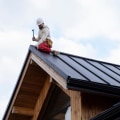
Your roof is your home's first line of defense against the elements, and it deserves the utmost care and attention. Over time, however, wear and tear can take a toll, leaving you with damaged shingles that not only compromise your roof's integrity but also its aesthetic appeal. Whether it's due to severe weather, age, or other unforeseen factors, dealing with replacing damaged shingles is a task that many homeowners will face at some point. But fear not! With the right knowledge and tools, you can tackle this project yourself, saving money and gaining the satisfaction of completing a DIY repair. In this article, we will guide you through the practical steps of restoring your roof by effectively replacing those unsightly and worn-out shingles.
From identifying the signs of damage to selecting the right materials and executing the replacement process, we will provide you with all the information you need to ensure a successful outcome. By empowering yourself with these skills, not only will you enhance your home’s protection against future damages, but you'll also boost its value and curb appeal. So roll up your sleeves and get ready to dive into the world of roof repair techniques. Let's embark on this journey together to restore your roof to its former glory!Maintaining a roof is crucial for the overall integrity of your home, as From identifying the signs of damage to selecting the right materials and executing the replacement process, we will provide you with all the information you need to ensure a successful outcome. By empowering yourself with these skills, not only will you enhance your home’s protection against future damages, but you'll also boost its value and curb appeal. So roll up your sleeves and get ready to dive into the world of roof repair techniques. Let's embark on this journey together to restore your roof to its former glory!Maintaining a roof is crucial for the overall integrity of your home, as damaged shingles can lead to significant issues, including leaks and structural damage. Regular inspections can help identify problems early on, and understanding what to look for when inspecting shingles is vital.
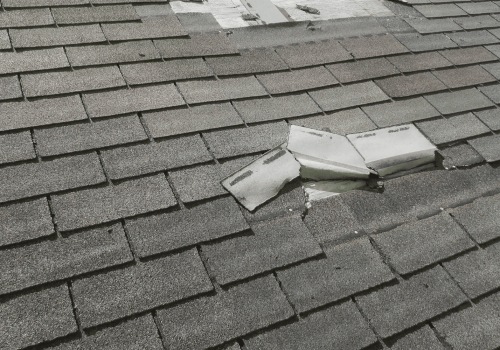
Homeowners should check for signs of wear such as curling, cracking, or missing shingles. Additionally, dark spots or granule loss may indicate that the shingles are nearing the end of their lifespan. There are several types of shingles available on the market today, each with its own set of advantages and disadvantages.
Asphalt shingles
are the most common choice due to their affordability and ease of installation. They come in a variety of colors and styles, making them an appealing option for many homeowners.However, they generally have a shorter lifespan compared to other materials, typically lasting 15-30 years.
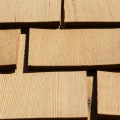
Wood shingles
, often made from cedar or redwood, offer a natural aesthetic and excellent insulation properties. However, they require more maintenance and are susceptible to rot and insect damage. Homeowners in regions prone to wildfires should also consider that wood shingles may not meet local building codes.Metal shingles
, on the other hand, are incredibly durable and can last 40-70 years with proper maintenance. They reflect heat, which can help reduce energy costs during hot months.However, they tend to be more expensive upfront compared to asphalt and can require specialized installation techniques. When deciding whether to tackle a shingle replacement project yourself or hire a professional, consider your skill level and comfort with DIY tasks. While replacing shingles can be a rewarding project for those with experience in home repairs, it can also be daunting for beginners—especially if heights are involved. If you feel unsure about your ability to safely complete the task or if the damage is extensive, it may be wise to seek professional help. If you decide to replace damaged shingles yourself, follow these step-by-step instructions. First, gather the necessary tools: a ladder, hammer, pry bar, utility knife, roofing nails, replacement shingles, and safety gear such as gloves and goggles.
Before starting the job, ensure that your ladder is stable and positioned on flat ground. Begin by removing the damaged shingles. Use the pry bar to carefully lift the edges of the old shingles and pull them off. Take care not to damage surrounding shingles in the process. Next, inspect the underlayment for any signs of damage; if it's compromised, you may need to replace it as well. Once the damaged shingles are removed and any necessary repairs are made, it’s time to install the new ones.
Place the replacement shingle into position and secure it with roofing nails—be sure to follow the manufacturer's guidelines regarding nail placement. Repeat this process for each damaged shingle until all replacements are complete. After your repair work is done, proper disposal of old materials is essential. Check local regulations for disposal guidelines; many areas allow you to take old shingles to designated recycling facilities or landfill sites specifically for construction debris. To extend the life of your new shingles, regular maintenance is key. This includes keeping gutters clean to prevent water buildup, trimming overhanging branches that could cause damage during storms, and conducting annual inspections to catch issues early on.
A case in point is a homeowner who neglected their roof until missing shingles led to water damage inside their home—prompt repairs could have saved them thousands in restoration costs. While some may hesitate at the thought of working at heights or lack experience with DIY projects, taking precautions can mitigate risks. Always ensure that someone is available to assist you while on a ladder or roof and consider using safety harnesses if working on steep pitches. With careful preparation and attention to detail, replacing damaged shingles can be a manageable task that protects your home from further damage.
Identifying Shingle Damage
Recognizing damaged shingles is essential for maintaining the integrity of your roof. Over time, various factors can contribute to the deterioration of shingles, making it vital to stay vigilant.Regular inspections can help you spot potential problems before they escalate into costly repairs. One of the most common signs of shingle damage is curling or buckling. This occurs when the edges or corners of the shingles start to lift, often due to age or prolonged exposure to harsh weather conditions. Another indicator is missing shingles; if you notice bare patches on your roof, it’s a clear sign that some shingles have been lost and need replacing. Additionally, look for granule loss. If you find an accumulation of granules in your gutters or on the ground below your roof, it suggests that your shingles are wearing down.
This can lead to reduced protection against UV rays and water infiltration. Finally, check for discoloration or dark spots on your shingles. These may indicate mold or algae growth, which can weaken the shingles over time. Conducting a thorough inspection involves visually assessing all areas of your roof, including valleys, ridges, and around chimneys or vents, where damage is more likely to occur. By being proactive and identifying shingle damage early, you can take steps to replace damaged shingles and ensure your roof remains in good condition for years to come.
Understanding Different Shingle Types
When it comes to replacing damaged shingles, it is essential to understand the different types of shingles available on the market. Each type has unique characteristics, advantages, and disadvantages that can influence your choice based on your specific needs and preferences.Asphalt shingles
are the most common type used in residential roofing.They are popular due to their affordability, ease of installation, and a variety of colors and styles. Asphalt shingles typically last between 20 to 30 years, making them a reliable option for homeowners looking for cost-effective solutions.
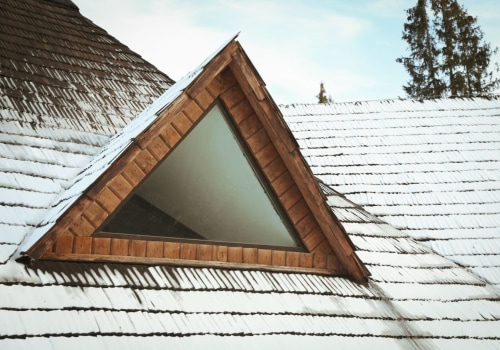
Wood shingles
, often made from cedar or redwood, provide a natural aesthetic that many homeowners find appealing. They offer excellent insulation properties and can last up to 30 years with proper maintenance. However, wood shingles require regular inspections and treatment to prevent rot and insect damage.Metal shingles
have gained popularity in recent years due to their durability and energy efficiency.They can withstand extreme weather conditions, including high winds and heavy snow. Metal shingles can last over 50 years and are often made from recyclable materials, making them an environmentally friendly option.
Slate shingles
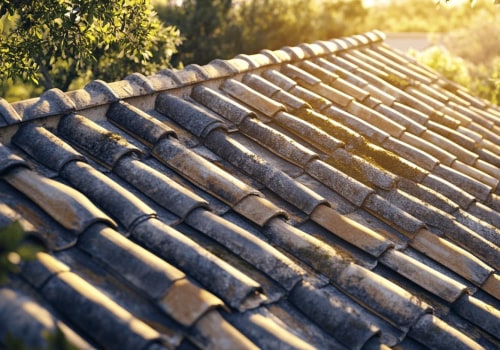
are known for their longevity and elegance. These natural stone tiles can last over a century, making them one of the most durable roofing materials available. While they are more expensive than other options, their beauty and lifespan often justify the investment.Tile shingles
, commonly made from clay or concrete, offer a distinctive look and superior durability.They are resistant to fire and can withstand harsh weather conditions, but they require a sturdy roof structure due to their weight. Tile roofs can last 50 years or more with proper care. Understanding these different types of shingles will help you make informed decisions when replacing damaged shingles. Choosing the right type not only enhances the appearance of your home but also contributes to its long-term protection against the elements.
Maintenance Tips for Longevity
Proper maintenance of your roof is essential to ensure the longevity of your shingles. By taking proactive steps, you can prevent damage and extend the lifespan of your roofing material.Here are some key maintenance tips to consider:Regular Inspections: Conduct regular inspections of your roof at least twice a year, ideally in spring and fall. Look for any signs of wear or damage, such as curling, cracking, or missing shingles. Early detection can help you address issues before they escalate.
Clean Gutters:
Keep gutters and downspouts clean and free from debris. Clogged gutters can lead to water accumulation on your roof, which may cause shingles to deteriorate more quickly.Trim Overhanging Branches:
Overhanging tree branches can scrape against shingles during windy conditions or severe storms.Trim these branches back to minimize the risk of physical damage to your roof.
Remove Moss and Algae:
Moss and algae growth can trap moisture against shingles, leading to deterioration. Use a gentle cleaning solution to remove these growths and prevent future infestations.Address Repairs Promptly:
If you notice any damaged shingles, replace them as soon as possible. Delaying repairs can result in more extensive damage to your roof and the structure beneath it.Ensure Proper Ventilation:
Adequate ventilation in your attic helps regulate temperature and moisture levels, which can prevent shingle damage due to heat buildup or condensation. By following these maintenance tips, you can significantly enhance the durability of your shingles and protect your home from potential roofing issues in the future.DIY vs. Hiring a Professional
When it comes to replacing damaged shingles, homeowners often face the decision of whether to tackle the project themselves or hire a professional roofing contractor.Each option has its own set of advantages and disadvantages that should be carefully considered before making a choice.
DIY shingle replacement
can be an appealing option for those who are handy and enjoy taking on home improvement projects. One of the primary benefits of going the DIY route is cost savings; by eliminating labor costs, you can significantly reduce the overall expense of the repair. Additionally, completing the work yourself allows for greater control over the timing and methods used, enabling you to ensure everything meets your standards. However, DIY projects are not without their challenges.Replacing shingles
requires a certain level of skill and knowledge, especially regarding safety measures and proper installation techniques.Mistakes can lead to further damage or even voiding warranties, which could ultimately result in higher costs down the line. Moreover, depending on the extent of the damage, you may find yourself needing to repair underlying issues that are not immediately visible. On the other hand, hiring a professional roofing contractor provides several advantages that can outweigh the initial financial savings of a DIY approach. Professionals bring expertise and experience to the table, which means they are more likely to identify and rectify any underlying issues during the replacement process. Additionally, reputable contractors often offer warranties on their workmanship, giving you peace of mind knowing that any future issues may be covered. However, hiring a professional does come with its own set of drawbacks.
The most significant is the cost; labor fees can substantially increase the total expense of shingle replacement. Furthermore, scheduling conflicts may arise, as professionals may be busy with other projects, potentially delaying repairs. Ultimately, the decision between DIY and hiring a professional hinges on your comfort level with home repairs, your budget, and the specific circumstances surrounding your roof's condition. Assessing these factors will help you determine the best course of action for replacing damaged shingles.
Step-by-Step Shingle Replacement
Replacing damaged shingles is a crucial skill for any homeowner looking to maintain the integrity of their roof. Follow these detailed instructions to ensure a safe and effective replacement process.Step 1: Gather Your Materials
Before you begin, make sure you have all necessary materials on hand.You will need replacement shingles, roofing nails, a hammer, a utility knife, a pry bar, and safety gear such as gloves and goggles.
Step 2: Identify the Damaged Shingles
Begin by inspecting your roof to locate the damaged shingles. Look for signs such as curling, cracking, or missing pieces. Mark the areas that need replacement.Step 3: Remove the Damaged Shingles
Use the pry bar to carefully lift the damaged shingles from the roof. Start at the bottom edge of the shingle and work your way up, being cautious not to disturb surrounding shingles.Remove any nails that are holding the shingle in place.
Step 4: Prepare the Area
Once the damaged shingles are removed, check the underlayment for any damage. If the underlayment is compromised, replace it before installing new shingles. Ensure the area is clean and dry.Step 5: Install the New Shingles
Take your replacement shingles and slide them into place. Align them with the existing shingles to maintain a uniform appearance.Secure the new shingles with roofing nails, placing them at least an inch from the edges to prevent tearing.
Step 6: Seal and Finish
If applicable, apply roofing cement under the edges of the new shingles to ensure a watertight seal. This step is particularly important for shingles installed in areas prone to heavy rain or snow.Step 7: Clean Up
After completing the replacement, clean up any debris from your work area. Dispose of old shingles and materials responsibly to maintain a safe environment. By following these steps, you can effectively replace damaged shingles and help prolong the life of your roof. In conclusion, replacing damaged shingles is not just a cosmetic repair; it is a vital step in maintaining the integrity of your roof and, by extension, your entire home. We have explored the various aspects of shingle damage, including its causes and types, and emphasized the importance of timely action.Regular inspections can help you spot issues early on, preventing minor problems from escalating into costly repairs. Whether you choose to undertake a DIY shingle replacement or consult with a professional, the key takeaway is to prioritize your roof's health. Taking proactive measures now will ensure that your home remains safe and secure for years to come. Don’t wait for small leaks to turn into major disasters—get started today!.