When it comes to enhancing the aesthetic appeal and structural integrity of your home, wood roofing stands out as a timeless choice that combines natural beauty with durability. However, the journey to achieving that perfect wood roof begins with understanding the various installation methods for wood roofing. Whether you are a homeowner considering a new roof or a contractor looking to expand your knowledge, mastering these techniques is essential for ensuring a long-lasting and visually stunning result. In this article, we will delve into the world of wood roofing installation, exploring different techniques that cater to various styles and preferences. From traditional wood shakes to modern shingles, each method has its unique benefits and considerations. . Whether you are a homeowner considering a new roof or a contractor looking to expand your knowledge, mastering these techniques is essential for ensuring a long-lasting and visually stunning result. In this article, we will delve into the world of wood roofing installation, exploring different techniques that cater to various styles and preferences. From traditional wood shakes to modern shingles, each method has its unique benefits and considerations.
By gaining insight into these installation methods, you will not only appreciate the craftsmanship involved but also be empowered to make informed decisions for your roofing project. Join us as we uncover the intricacies of installing wood roofing, addressing common challenges and showcasing best practices that can elevate your roofing game. Whether you are drawn to the rustic charm of cedar shakes or the sleek finish of engineered wood shingles, our guide aims to equip you with the knowledge needed to achieve a roof that not only protects your home but also enhances its overall character. Wood roofing is a popular choice among homeowners due to its natural beauty, durability, and versatility. Among the various wood roofing materials, , you will not only appreciate the craftsmanship involved but also be empowered to make informed decisions for your roofing project. Join us as we uncover the intricacies of installing wood roofing, addressing common challenges and showcasing best practices that can elevate your roofing game. Whether you are drawn to the rustic charm of cedar shakes or the sleek finish of engineered wood shingles, our guide aims to equip you with the knowledge needed to achieve a roof that not only protects your home but also enhances its overall character. Wood roofing is a popular choice among homeowners due to its natural beauty, durability, and versatility. Among the various wood roofing materials, wood shakes and shingles stand out for their unique characteristics. Wood shakes are typically thicker and hand-split, providing a rustic appearance and greater resistance to weather elements.
In contrast, wood shingles are machine-cut, offering a smoother finish and a more uniform look. Both options can enhance the aesthetic appeal of a home while providing effective insulation and energy efficiency. The installation methods for these two types of wood roofing differ significantly and are crucial for ensuring the longevity and performance of the roof. For wood shakes, one common technique is the side-lap installation. This method involves overlapping each shake on the side to create a barrier against moisture intrusion.
To achieve this, begin by installing a starter course at the eaves, ensuring it extends beyond the edge of the roof. Each subsequent shake should then be placed with its lower edge resting on the upper edge of the shake below it, allowing for proper water runoff. It's essential to stagger the joints between shakes for added strength and to minimize leaks. On the other hand, wood shingles are often installed using a staggered pattern. This method involves placing each shingle in such a way that joints do not align vertically across rows, which helps prevent water from seeping through.
Start with a starter course, similar to shakes, and then lay the first row of shingles with their bottom edges aligned. As you progress upward, ensure that you cut the next row's shingles to create the staggered effect. Each shingle should be fastened with corrosion-resistant nails, which are typically placed about one inch from the top edge. Regardless of whether you choose shakes or shingles, proper underlayment is critical in both installation methods. Use a breathable membrane that allows moisture vapor to escape while preventing water infiltration.
Ventilation is also vital; ensure that there is adequate airflow in your attic space to prevent heat buildup and moisture accumulation. Additionally, sealing techniques such as using caulk or roofing sealant at joints and around fasteners can further prevent leaks. While tackling a wood roofing project as a DIYer can be rewarding, there are common mistakes to avoid during installation. One frequent error is neglecting to account for proper spacing between shakes or shingles, leading to potential warping or buckling over time. Another mistake is failing to check local building codes and regulations, which can vary significantly by region and may impact your installation process.
Consulting these codes ensures compliance with safety standards and can save you from costly fines. When deciding between hiring a professional versus undertaking a DIY approach, consider factors such as cost and expertise. Hiring experienced roofers may incur higher upfront costs but often results in better craftsmanship and adherence to local regulations. Professionals typically have access to higher-quality materials and tools that can enhance the roof's longevity. On the flip side, DIY projects can offer significant savings but require thorough research and skill development to execute effectively. After installation, routine maintenance is key to prolonging the life of your wood roofing.
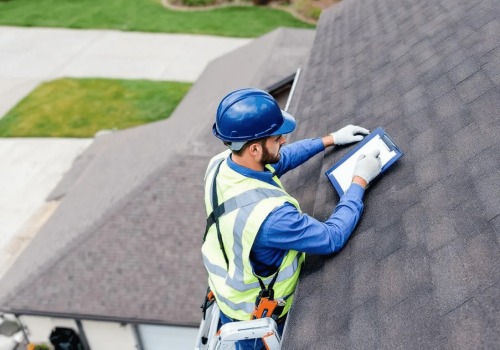
Regular inspections should be scheduled at least twice a year to check for damaged or missing pieces, as well as signs of rot or insect infestation. Cleaning procedures, such as removing debris from the roof's surface and ensuring gutters are clear, help maintain optimal drainage and prevent water pooling. In conclusion, understanding the various installation methods for wood roofing, including both wood shakes and shingles, along with proper techniques for underlayment, ventilation, sealing, and ongoing maintenance can greatly influence the performance of your roof over time. Whether you choose a professional installation or decide to take on the project yourself, being informed about best practices will lead to a successful outcome.
Understanding Wood Roofing Materials
Wood shakes and shingles are two popular materials used in wood roofing, each offering unique characteristics and benefits. Understanding the differences between these two options is essential for homeowners considering wood roofing.Wood shakes
are typically hand-split from logs, giving them a more rustic and textured appearance.They vary in thickness, which adds to their natural look. Wood shakes tend to be more durable than shingles, often lasting longer due to their thicker profile and resistance to the elements. They are ideal for areas with harsh weather conditions or for homeowners seeking a more traditional aesthetic. On the other hand, shingles are generally machine-cut and uniform in thickness, providing a smoother and more polished finish. This uniformity makes installation easier and faster, making them a popular choice for DIY enthusiasts.
Shingles are also available in various styles and finishes, allowing for more customization in terms of appearance. However, they may not last as long as shakes under extreme weather conditions. Both materials can enhance the beauty of a home, but choosing between wood shakes and shingles depends on factors such as desired appearance, budget, and climate considerations. Homeowners should weigh these aspects carefully to select the most suitable option for their roofing project.
Maintenance Tips for Longevity
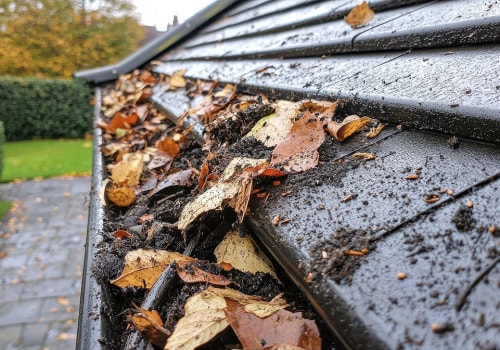
To ensure the longevity of your wood roofing, regular maintenance is essential. Wood roofs, while beautiful and durable, require specific care to protect against the elements and extend their lifespan. One of the primary maintenance practices is to conduct regular inspections.Every six months, check for any signs of damage, such as missing or cracked shingles. Promptly replacing damaged pieces can prevent further deterioration. Another crucial aspect of maintenance is cleaning. Keeping your wood roofing free from debris like leaves, branches, and moss can prevent moisture buildup, which is detrimental to wood. Use a soft broom or a leaf blower to clear off debris without damaging the shingles. Additionally, applying a protective sealant can enhance the durability of your roof.
Look for products specifically designed for wood roofing, as they can help repel water and resist UV damage. This treatment should be reapplied every few years depending on your local climate conditions. Lastly, be mindful of the surrounding environment. Overhanging branches should be trimmed back to prevent them from scratching the roof or dropping debris. Proper ventilation in the attic space also aids in reducing moisture accumulation, which is critical for preserving the integrity of your wood roofing.
Hiring a Professional vs.
DIY InstallationWhen it comes to installation methods for wood roofing, one of the most significant decisions homeowners face is whether to hire a professional contractor or tackle the project themselves. Each option has its own set of advantages and challenges, which can influence both the outcome of the installation and the overall cost. First, consider your skill level and experience with roofing projects. If you have prior experience with similar tasks, a DIY installation might be a feasible option. However, if you are unfamiliar with roofing techniques or lack the necessary tools, hiring a professional may be more prudent to ensure a proper installation. Next, assess the complexity of the installation.
Wood roofing can require specific techniques that ensure durability and performance. If the project involves steep pitches, intricate designs, or working with older structures, it may be best left to experienced professionals who can navigate these challenges safely and effectively. The cost is another critical factor. While DIY installations can save on labor costs, it's important to factor in the price of materials, tools, and any potential mistakes that may require additional expenses to rectify. On the other hand, hiring a contractor typically includes warranties and guarantees on their work, which can provide peace of mind in the long run. Additionally, consider the time commitment.
A DIY project may take significantly longer than anticipated, especially if you are learning as you go. Conversely, professional contractors often have streamlined processes that can lead to quicker completion times. Ultimately, the decision between hiring a professional or undertaking a DIY project for your wood roofing installation depends on your individual circumstances, including skill level, project complexity, budget, and time availability. Weighing these factors carefully will help ensure that you make the best choice for your home.
Installation Techniques for Wood Shakes
Installing wood shakes requires careful planning and execution to ensure durability and aesthetic appeal. Below is a step-by-step process for installing wood shakes, along with the necessary tools and materials.Materials Required:
- Wood shakes (cedar or redwood are popular choices)
- Underlayment (roofing felt or synthetic underlayment)
- Roofing nails (galvanized for corrosion resistance)
- Flashing (for valleys and chimneys)
- Sealant (for additional waterproofing)
- Measuring tape
- Chalk line
- Hammer or nail gun
- Utility knife
- Ladder
Repair any damaged areas before proceeding.
Step 2: Install Underlayment
Lay down the underlayment horizontally across the roof, overlapping the edges by at least 4 inches. Secure it with roofing nails.Step 3: Start with the Bottom Row
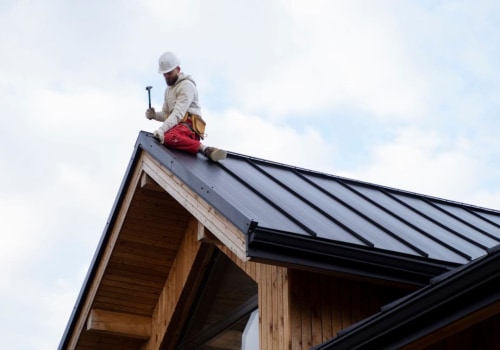
Begin at the bottom of the roof and use a chalk line to mark a straight line for the first row of shakes. Install the first row, ensuring that each shake overlaps the one below it by at least 1 inch.Step 4: Install Subsequent Rows
For each subsequent row, stagger the joints between shakes to enhance water resistance. Use roofing nails to secure each shake, driving them in just below the surface to avoid splitting.Step 5: Flashing Installation
Install flashing around any chimneys, vents, or valleys to prevent leaks.Ensure that flashing is correctly positioned beneath the shakes for optimal protection.
Step 6: Final Touches
Inspect your work for any gaps or loose shakes. Apply sealant where necessary for additional waterproofing. Ensure that all nails are properly driven in and that there are no exposed nail heads. Following these steps will help ensure a successful installation of wood shakes, contributing to the longevity and performance of your wood roofing system.Installing Wood Shingles: A Step-by-Step Approach
Wood shingles are a popular choice for roofing due to their natural beauty and durability. Installing them correctly is crucial to ensure that they perform well over time.Below is a step-by-step approach to effectively installing wood shingles.
1.Preparation
: Before starting the installation, it is essential to prepare the roof surface. Ensure that the roof deck is clean, dry, and free of any debris. Inspect the decking for any signs of damage and replace any rotting or weakened sections.2.Underlayment Installation
: Lay down a weather-resistant underlayment to provide an additional layer of protection against moisture. This can be felt paper or a synthetic underlayment designed specifically for wood roofing materials.3.Starting Course
: Begin with the bottom row of shingles, known as the starter course.Cut the shingles to fit and install them with the thicker edge facing downwards. This will help prevent water from seeping underneath.
4.Installing Shingles
: When installing each shingle, ensure they are evenly spaced and aligned. Use stainless steel or galvanized nails to secure each shingle, placing them about one inch from the edges to avoid splitting. Make sure to stagger the joints between rows for better water shedding.5.Overlapping Technique
: Each subsequent row should overlap the previous one by at least 2 inches.This overlapping technique is vital to create a watertight seal and to protect against wind uplift.
6.Final Rows
: As you reach the top of the roof, measure and cut shingles to fit in the last row. Be mindful that the final shingles may require special cutting techniques to ensure a proper fit without compromising the overall aesthetic.7.Ventilation Consideration
: Ensure there is adequate ventilation under the roof to prolong the lifespan of the shingles and prevent moisture buildup. This can be achieved by installing ridge vents or soffit vents as necessary.8.Finishing Touches
: After all shingles are installed, inspect the roof for any gaps or areas that may need additional sealing or caulking to prevent leaks. Following these steps will help achieve a professional-looking installation of wood shingles, enhancing both the durability and appearance of your roofing system. In conclusion, this article has explored various installation methods for wood roofing, emphasizing the significance of proper techniques in ensuring the longevity and performance of your roof. We delved into the distinct characteristics of wood shakes and shingles, providing insights into both professional and DIY approaches to installation.Each method has its own set of advantages, catering to different skill levels and preferences. Moreover, we highlighted that regardless of the installation method chosen, the importance of regular maintenance cannot be overstated. Proper upkeep is essential to preserve the aesthetic appeal and durability of wood roofing materials over time. As you consider your options for wood roofing installation, weigh the pros and cons of each method carefully. Whether you decide to take on the project yourself or hire a professional, being informed about the process will lead to better outcomes and satisfaction with your roofing choice.