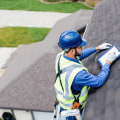
Owning a home comes with a myriad of responsibilities, and one of the most crucial yet often overlooked aspects is roof maintenance. Your roof is not just a protective shield; it plays a vital role in ensuring the safety and comfort of your home. Yet, many homeowners neglect the importance of regular inspections, leading to costly repairs and reduced longevity of their roofs. So, how often should you inspect your roof for optimal longevity?Understanding the right inspection frequency can save you time, money, and stress in the long run.
Regular evaluations allow you to catch minor issues before they escalate into major problems, ensuring that your roof remains in top condition. In this article, we will explore the key factors that influence the timing of roof inspections, including environmental conditions, seasonal changes, and roofing materials. Whether you're a new homeowner or have lived in your house for years, this guide will provide you with essential insights into maintaining your roof’s health. Join us as we delve into the best practices for roof inspections and discover how to maximize the lifespan of one of your home’s most important features. Regular roof inspections are essential for maintaining the health of a home, and understanding how often to inspect your roof is crucial for preventing costly repairs and ensuring safety. The frequency of roof inspections can vary based on several factors, including climate, roof type, and the age of the roof.
For instance, roofs in areas with severe weather conditions such as heavy snowfall, intense rain, or high winds may require more frequent inspections compared to those in milder climates. Homeowners in regions prone to hurricanes or tornadoes should consider inspecting their roofs at least twice a year, while those in moderate climates may find annual inspections sufficient. The type of roofing material also plays a significant role in determining inspection frequency. Asphalt shingles, for example, may need more regular checks due to their susceptibility to wear and tear, while metal roofs might require less frequent inspections due to their durability. Additionally, older roofs—typically those over 15 years old—should be inspected more often since they are more likely to develop issues such as leaks or structural weaknesses. Another critical aspect is the necessity of performing regular checks after severe weather events.
High winds, hail storms, or heavy rains can cause hidden damage that may not be immediately visible. Inspecting your roof following such events can help identify any potential problems before they escalate into significant issues. For example, a small leak might develop into extensive water damage or mold growth if left unaddressed. If inspections are overlooked, homeowners may face various common issues. One of the most prevalent problems is the development of leaks, which can lead to water infiltration and subsequent mold growth within the home.
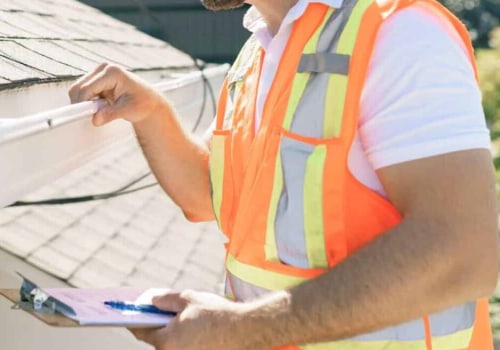
Mold not only poses health risks but can also compromise the structural integrity of a house. Structural damage can occur as well; for instance, rotting wood or weakened rafters resulting from prolonged exposure to moisture can be extremely costly to repair. When considering whether to conduct a DIY inspection or hire a professional, it is essential to weigh the benefits of each approach. Hiring a professional roofer offers several advantages, including expertise and safety considerations. Professionals are trained to spot subtle signs of damage that an untrained eye might miss, and they have the proper equipment and safety gear to safely navigate rooftops.
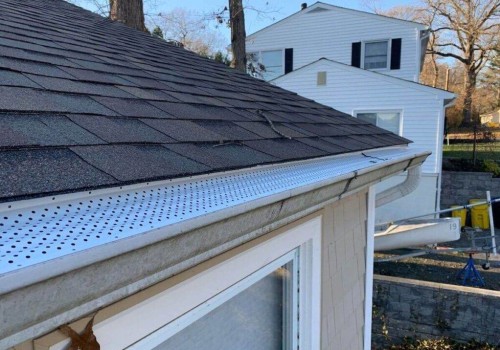
On the other hand, DIY inspections can be beneficial for homeowners looking to save money and perform routine checks between professional evaluations. If opting for a DIY approach, it is vital to know what to look for during an inspection. Homeowners should check for missing shingles or tiles, signs of water damage inside the house (such as stains on ceilings or walls), and any visible wear on flashing around chimneys or vents. Additionally, checking gutters for debris and ensuring they are functioning correctly can prevent water from backing up onto the roof. There are often differing opinions regarding how often to inspect your roof. Some experts advocate for biannual inspections regardless of location or material, while others suggest a more tailored approach based on individual circumstances.
It is crucial to consider factors such as regional climate conditions, roof age and material when determining an appropriate inspection schedule. Ultimately, maintaining an open dialogue with roofing professionals can help homeowners establish a plan that best suits their specific needs.
Signs That Indicate It's Time for an Inspection
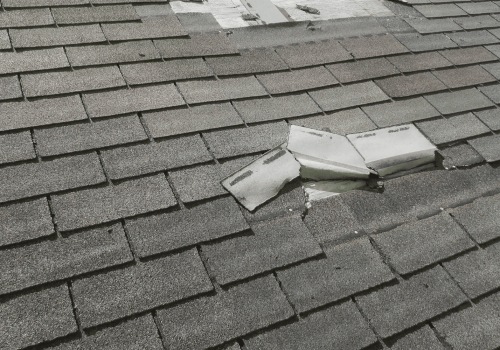
Homeowners should be vigilant about their roofs, as certain signs can indicate that it's time for an inspection.Missing shingles
are one of the most obvious indicators; if you notice any shingles that have blown off or are cracked, it’s essential to have an expert take a look.Water stains
on ceilings or walls inside your home can also signal roof leaks, which require immediate attention to prevent further damage. Another sign to watch for is granules in gutters.If you see a significant amount of granules from asphalt shingles in your gutters, this may indicate that the shingles are deteriorating and need inspection. Additionally, moss or algae growth on your roof can trap moisture and lead to damage over time. It's a sign that should not be ignored. If you notice deformed or sagging areas on your roof, this could indicate structural issues that require professional evaluation. Lastly, if your roof is approaching the end of its expected lifespan—typically around 20-25 years for asphalt shingles—schedule an inspection to assess its condition and determine if repairs or replacements are necessary.
When to Call a Professional
While regular roof inspections can often be performed by homeowners, there are specific scenarios where hiring a professional roofing contractor is advisable.Complex Roof Issues such as leaks, structural damage, or missing shingles may not be easily identifiable without professional expertise. A contractor has the necessary training and experience to diagnose these problems accurately. Additionally, if your home has a steep or complex roof design, it can be dangerous to inspect it without proper equipment and safety measures. Professionals have the right tools and safety gear to navigate challenging roofing conditions safely. Another scenario to consider is when your roof is under warranty. Many warranties require that inspections and repairs be conducted by licensed professionals to maintain coverage.
Hiring a contractor ensures that you comply with warranty terms. If you notice signs of wear and tear such as excessive granule loss from shingles or visible sagging, it's crucial to consult with a professional. These indicators may signal underlying issues that need expert evaluation. Lastly, if you're unsure about the condition of your roof after a severe weather event, such as a storm or hail, it's best to call in a professional. They can conduct a thorough assessment and determine if any damage has occurred that could compromise your roof's integrity.
How Often Should You Inspect Your Roof?
Regular roof inspections are essential for ensuring the longevity and safety of your home. The frequency of these inspections can depend on several factors including the age of your roof, the materials used, and environmental conditions. As a general rule, it is recommended to inspect your roof at least twice a year.This allows homeowners to catch potential issues early, preventing small problems from escalating into costly repairs. Inspections should ideally be scheduled in the spring and fall, after the winter weather has passed and before the heavy rains of summer. If your roof is older than 20 years, consider increasing the frequency of your inspections to at least every six months. Older roofs can develop problems that may not be immediately visible but could lead to significant damage if left unchecked. The type of roofing material also plays a crucial role in determining inspection frequency. For instance, asphalt shingles typically require less frequent inspections compared to tile roofs or metal roofs, which may withstand harsher conditions but can still suffer from wear over time.
Homeowners with flat roofs should inspect their roofs more frequently due to the higher risk of water pooling and drainage issues. Environmental factors such as proximity to trees, heavy snowfall, or areas prone to severe weather can also dictate how often you should inspect your roof. If your home is surrounded by trees, consider inspecting your roof after major storms or when heavy winds have occurred, as falling branches can cause significant damage. In conclusion, while the standard recommendation is to inspect your roof twice a year, factors such as age, material, and environmental conditions should influence your specific inspection schedule. Regular maintenance is key to ensuring the optimal longevity of your roof.
DIY Roof Inspection Tips
Conducting your own roof inspection can be a rewarding experience, allowing you to maintain your home’s integrity while saving on professional inspection costs. Here are some practical tips to help you perform effective roof inspections safely.1.Safety First:
Before climbing onto your roof, ensure you have the right safety equipment.Use a sturdy ladder that extends at least three feet above the roofline, and wear non-slip shoes. Consider using a safety harness if your roof has a steep pitch.
2.Use Binoculars:
If you're uncomfortable on the roof, start by using binoculars from the ground or a nearby window. Look for any visible signs of damage, such as cracked shingles or sagging areas.3.Check for Debris:
Inspect for leaves, branches, and other debris that may have accumulated on the roof. Clear these away as they can trap moisture and lead to mold or rot.4.Look for Damaged Shingles:
Examine the shingles closely for any curling, blistering, or missing pieces.These are indicators that it may be time to replace them.
5.Inspect Flashing:
Check the flashing around chimneys, vents, and skylights. Ensure there are no gaps or rust that could allow water to penetrate.6.Examine Gutters:
Clean out gutters and downspouts to prevent water backup. While doing this, look for signs of wear or damage that could affect drainage and lead to roof leaks.7.Document Findings:
Keep a record of your inspection findings, noting any issues that require attention. This documentation will be helpful if you decide to hire a professional later. Regularly performing these DIY inspections can help you catch minor issues before they escalate into major problems, ultimately extending the life of your roof.Signs That Indicate It's Time for an Inspection
Regular roof inspections are essential for ensuring the longevity of your roofing system.Homeowners should be vigilant and look for specific signs that indicate it may be time for an inspection. One of the first signs to watch for is missing or damaged shingles. If you notice shingles that are cracked, curled, or completely absent, this can expose your roof to potential leaks and further damage. Another important indicator is the presence of granules in your gutters. This can signify that your shingles are deteriorating, which may necessitate an inspection. Furthermore, keep an eye out for water stains on your ceilings or walls.
These stains often indicate that water is penetrating your roof and could lead to more severe issues if left unaddressed. Additionally, check for sagging areas on your roof; sagging can be a clear indication of structural damage that requires immediate attention. Finally, if you've experienced severe weather conditions such as heavy rain, strong winds, or hailstorms, it's wise to schedule a roof inspection. Even if there aren't obvious signs, the integrity of your roof may have been compromised during such events.
Signs That Indicate It's Time for an Inspection
Homeowners should remain vigilant and proactive when it comes to the condition of their roofs. There are several specific indicators that suggest it may be time for an inspection.Damaged shingles are one of the most obvious signs; if you notice any missing, cracked, or curled shingles, it’s essential to schedule an inspection. These issues can compromise the integrity of your roof and lead to leaks and other damage. Another critical indicator is the presence of leaks or water stains on your ceilings or walls. If you observe these signs, it’s a clear signal that your roof may have a problem that needs immediate attention. Ignoring these signs can result in extensive water damage and mold growth. Additionally, pay attention to your gutters.
If they are filled with granules from shingles or if you notice excessive debris, this could indicate that your roof is deteriorating and may require an inspection. Regularly cleaning your gutters can also help you spot potential roofing issues early on. Lastly, if your roof is nearing the end of its expected lifespan, it’s wise to have it inspected more frequently. Different roofing materials have varying lifespans, so understanding when yours is due for an assessment can save you from costly repairs down the line. In conclusion, regular roof inspections are essential for ensuring the longevity and health of your home. By prioritizing these inspections, homeowners can prevent costly repairs and mitigate potential safety hazards that may arise from neglect.
Understanding how often to inspect your roof based on the specific materials used can enhance your proactive approach to maintenance. Being informed about the signs that indicate it’s time for an inspection empowers homeowners to act swiftly and effectively. Additionally, knowing when to call a professional can save time and money in the long run. Remember, a well-maintained roof is a key component of a safe and secure home.