When it comes to maintaining the integrity of your home, looking for leaks in ceilings and walls is an essential yet often overlooked task. Many homeowners are unaware that seemingly harmless water stains or discoloration can be early indicators of a much larger problem lurking behind the surface. Understanding how to identify these warning signs not only saves you from costly repairs down the road but also ensures the safety and comfort of your living environment. Leaks can originate from a variety of sources, including roof damage, plumbing issues, or even poor insulation.
Each of these factors poses unique challenges, and knowing how to detect them is crucial for effective intervention. Whether you're a seasoned DIY enthusiast or a first-time homeowner, this guide will equip you with the knowledge necessary to spot potential leaks before they escalate into more severe damage. In this article, we will delve into the key indicators of leaks in ceilings and walls, discuss practical steps for identifying their source, and provide actionable advice on how to address these issues effectively. By the end, you will be empowered to safeguard your home against the detrimental effects of water damage and ensure that your living spaces remain safe and dry. Detecting leaks in ceilings and walls is crucial for homeowners who wish to maintain the integrity of their homes.
Early detection can prevent extensive damage, mold growth, and costly repairs. One of the first steps in addressing this issue is to conduct a visual inspection of your ceilings and walls. Look for obvious signs such as water stains, which can appear as yellow or brown patches, indicating that moisture has infiltrated your home. Additionally, peeling paint or wallpaper can also signal a leak, as the presence of water causes the adhesive to fail.
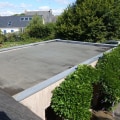
It's important to pay attention to any discoloration or bubbling in the paint, which are often telltale signs that there may be a leak behind the surface. Understanding the type of roof your home has is also significant in assessing leak potential. Different roofs have varying designs that can influence how water is managed. For example, flat roofs may be more prone to pooling water and subsequent leaks, especially if drainage systems are not properly maintained. In contrast, pitched roofs allow water to run off more effectively but can still develop leaks at vulnerable points, such as seams and flashing.
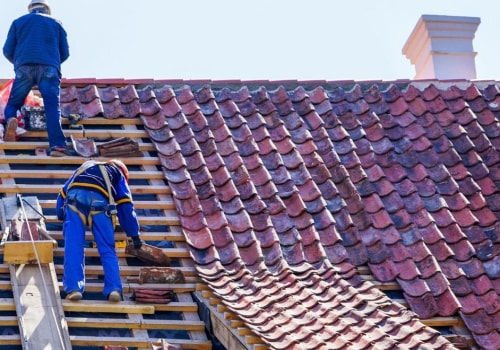
Knowing these characteristics can help homeowners anticipate where leaks are likely to occur. When it comes to inspecting for leaks, there is often a dilemma about whether to tackle the situation yourself or hire a contractor. If you notice minor issues like small stains or slight peeling, you might consider a DIY approach. However, if the damage seems extensive or if you suspect a significant leak, it may be wise to hire a professional who can conduct a thorough inspection and provide repairs. A good rule of thumb is to trust your instincts; if you feel uncertain about the extent of the problem or how to fix it, calling in an expert is always a safe bet. For those who choose to inspect their homes themselves, here’s a simple DIY inspection process you can follow.
First, gather essential tools such as a flashlight, ladder, and possibly a moisture meter if you have access to one. Start by examining your ceilings and walls for any visible signs of leaks as previously mentioned. Next, check the areas around windows and doors where leaks frequently occur. Use your flashlight to look for dark spots or areas that seem unusually damp.
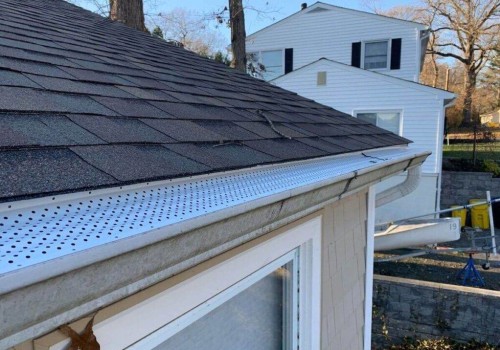
If you have access to your attic, inspect it for any signs of water intrusion or damage. Additionally, regular maintenance practices can help prevent leaks before they start. One essential tip is to keep your gutters clean and free from debris that could block water flow. Clogged gutters can lead to overflow that seeps into your home’s structure. Furthermore, regularly checking the condition of your roof's flashing—those thin pieces of metal that direct water away from joints—can help ensure that water doesn't penetrate through seams.
Another preventive measure includes trimming back any overhanging branches that could potentially damage your roof during storms. To illustrate these points, consider the case of a homeowner who noticed small water stains appearing on their bathroom ceiling after heavy rainfall. By performing a DIY inspection and climbing into the attic, they discovered that poor installation of roof flashing around an exhaust vent was allowing water to leak through. By sealing the flashing correctly themselves, they avoided what could have been significant interior damage. In another example, a family faced recurring leaks due to clogged gutters; after implementing regular cleaning schedules, they observed a substantial decrease in moisture-related issues. While many homeowners prefer DIY methods for inspecting potential leaks due to cost savings and personal satisfaction, it’s important to recognize that there are valid arguments on both sides regarding this issue.
Some experts argue that professional inspections bring experience and thoroughness that homeowners may lack. Others emphasize the importance of empowering homeowners with knowledge and skills to address minor issues themselves. Ultimately, the decision should be based on individual comfort levels with home repairs and the severity of the potential leak. By staying vigilant and taking proactive measures against leaks in ceilings and walls, homeowners can protect their property from unnecessary damage while ensuring a safe and comfortable living environment.
When to Call a Professional
While many leaks can be addressed by homeowners with basic tools and knowledge, there are specific scenarios where hiring a professional contractor is advisable.Complex repairs
often require specialized skills and equipment that the average homeowner may not possess.If the leak is extensive or located in an area that is difficult to access, such as high ceilings or behind walls, it may be best to consult with a professional who can accurately diagnose the issue and implement the necessary repairs. Additionally, safety concerns should always be a priority. If the leak has resulted in significant damage, such as compromised structural integrity or electrical issues, it is critical to involve a contractor. Professionals are trained to handle hazardous situations safely, ensuring that repairs are conducted without risking personal safety or further property damage. Moreover, if you notice persistent leaks despite your efforts to fix them, it may indicate a more serious underlying issue that requires expert intervention. Engaging a roofing or plumbing contractor can provide peace of mind and ensure that the root cause of the leak is addressed effectively. In summary, when faced with complex repairs or significant safety concerns, it is wise to call a professional.
This not only protects your investment but also ensures the longevity and integrity of your home.
Signs of Water Damage in Your Home
Identifying leaks in ceilings and walls is crucial for maintaining the integrity of your home. Early detection can save you from costly repairs and extensive damage. There are several visual indicators that suggest water damage may be occurring. One of the most common signs is discoloration on your ceilings or walls.You may notice yellow, brown, or even dark spots that indicate moisture buildup. This discoloration often appears as stains, which can gradually spread if the leak is not addressed promptly. Another indicator to watch for is mold growth. Mold thrives in damp environments, and if you see patches of mold or mildew, it could signal a hidden leak. Pay attention to areas that are consistently damp or have poor ventilation, as these are prime spots for mold development. Additionally, examine the structural integrity of your walls and ceilings.
If you notice any warping, bulging, or cracking, these could be signs that water has infiltrated the materials, weakening their structure. It’s important to address these issues immediately to prevent further deterioration. By keeping an eye out for these signs of water damage, homeowners can take proactive steps to identify and address leaks before they lead to more severe problems.
Understanding Your Roof Type
When it comes to detecting leaks in ceilings and walls, understanding the type of roof you have is crucial. Different roofing materials come with their own set of characteristics that influence leak risks and maintenance needs. For instance, asphalt shingles are one of the most common roofing materials.They are relatively affordable and provide decent protection against leaks. However, they can be susceptible to damage from heavy rain and snow accumulation, especially if they are not installed correctly or if they age significantly. On the other hand, metal roofs offer excellent durability and resistance to leaks, often lasting longer than traditional shingle roofs. Their sloped design allows for effective water runoff, reducing the risk of pooling water that can lead to leaks. Nevertheless, it is essential to regularly check for rust or damaged seams, as these can create vulnerabilities over time.
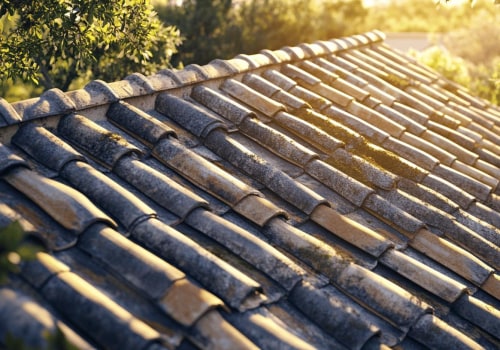
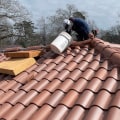
Tile roofs
, made from materials like clay or concrete, are known for their longevity and aesthetic appeal.While they are highly resistant to leaks, the weight of the tiles requires proper structural support beneath them. If the supporting structure is compromised, it can lead to cracks and potential leaks. Maintenance involves checking for broken tiles and ensuring that the underlayment is intact. Finally, flat roofs, while often used in commercial buildings, can present unique challenges. They are more prone to leaks due to their minimal slope, which makes proper drainage critical.
Regular inspections are necessary to check for standing water and any signs of wear in the membrane. Understanding your roof type not only helps you identify potential leak issues but also informs you about the specific maintenance practices needed to keep your roof in optimal condition.
Preventive Maintenance Tips
To minimize the risk of leaks in your ceilings and walls, it is crucial to implement a routine of preventive maintenance. Regular inspections and upkeep can save homeowners from costly repairs and extensive damage down the line.1.Regular Roof Inspections:
Schedule periodic roof inspections, especially after severe weather events. Look for signs of wear, such as cracked or missing shingles, which can expose your home to leaks.2.Clean Gutters and Downspouts:
Ensure that gutters and downspouts are free from debris and clogs.Blocked gutters can lead to water overflow, causing moisture to seep into your walls and ceilings.
3.Check Flashing and Sealants:
Inspect flashing around chimneys, vents, and skylights for any cracks or gaps. Reapply sealants as needed to maintain a watertight barrier.4.Maintain Proper Attic Ventilation:
Proper ventilation helps regulate temperature and moisture levels in your attic. Ensure vents are not blocked, as excess humidity can lead to condensation and potential leaks.5.Monitor Indoor Humidity Levels:
Use a hygrometer to keep track of indoor humidity levels. High humidity can contribute to mold growth and water damage, which may manifest as leaks in ceilings and walls.6.Inspect Walls for Cracks:
Regularly examine interior walls for any signs of cracks or damage that could allow moisture ingress.Addressing these issues early can prevent leaks from developing. By incorporating these preventive maintenance tips into your routine, you can significantly reduce the likelihood of leaks in your ceilings and walls, safeguarding your home from unwanted water damage.
DIY Inspection Techniques
Inspecting your home for leaks in ceilings and walls is crucial to maintaining its integrity and preventing costly repairs. Here are some clear steps for homeowners to conduct a safe and effective DIY inspection:Step 1: Gather Your Tools - Before starting your inspection, collect necessary tools such as a flashlight, ladder, moisture meter, and a notepad to take notes on any findings.Step 2: Inspect the Roof
- Begin your inspection from the outside. Use a sturdy ladder to access your roof safely. Look for damaged shingles, cracks, or areas where debris has accumulated.These can be indicators of potential leaks.
Step 3: Check Flashing and Seals
- Pay close attention to the flashing around chimneys, vents, and skylights. Look for any signs of wear or gaps that could allow water to penetrate.Step 4: Examine Gutters and Downspouts
- Ensure that gutters and downspouts are clear of debris. Clogged gutters can cause water to back up and seep into your roof structure.Step 5: Inspect Interior Areas
- Move inside your home and look for signs of leaks in ceilings and walls. Check for water stains, mold, or peeling paint, which can indicate moisture issues.Step 6: Use a Moisture Meter
- If you suspect a leak but cannot find the source, consider using a moisture meter.This tool can help you identify areas with elevated moisture levels that may not be visible to the naked eye.
Step 7: Document Your Findings
- Take detailed notes of any issues you discover during your inspection. This documentation will be useful if you decide to hire a professional later on. By following these steps, homeowners can effectively inspect their roofs and interiors for leaks, allowing them to address potential issues before they escalate into major problems. In conclusion, identifying and addressing leaks in ceilings and walls is crucial for maintaining the integrity of your home. We have discussed the signs of water damage that can indicate a problem, the importance of understanding your roof type, and effective DIY inspection techniques to spot potential issues early. Additionally, we emphasized when it is appropriate to call a professional and the necessity of regular preventive maintenance to avoid costly repairs down the line. Regular inspections and prompt repairs not only ensure a safe living environment but also extend the life of your home’s structure.We encourage all homeowners to take proactive measures based on the information provided in this article, ensuring that they can effectively protect their homes from water damage.