The lifespan of tile roofs is a topic that often piques the interest of homeowners and builders alike. Whether you are considering a new roof for your home or simply curious about the durability of different roofing materials, understanding the longevity of tile roofs can provide valuable insights. Tile roofing has been a popular choice for centuries, celebrated not only for its aesthetic appeal but also for its remarkable resilience against various environmental factors. In this article, we will explore the factors that influence the lifespan of tile roofs, including material quality, installation techniques, and climate conditions. We will delve into the advantages of choosing tile roofing and how proper maintenance can extend its life even further.
By the end of this discussion, you will have a comprehensive understanding of why tile roofs are often regarded as a long-term investment for any property. Join us as we uncover the secrets behind the enduring strength and beauty of tile roofs, and learn why they remain a preferred option in the world of roofing materials.
Lifespan of tile roofs
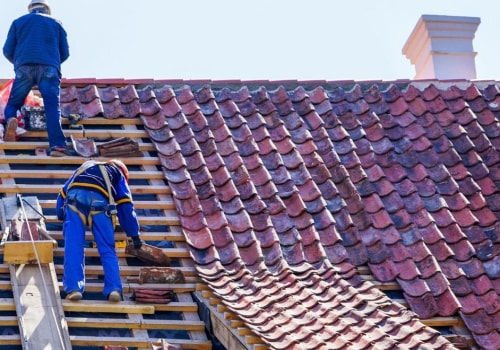
is a crucial consideration for homeowners contemplating roofing options. Tile roofs are renowned for their aesthetic appeal and remarkable durability, typically boasting an average lifespan of 50 to 100 years. This impressive longevity, however, is not uniform and can vary based on several factors, including climate conditions, the type of tile material used, and the quality of installation and maintenance. When discussing tile roofing, it’s essential to distinguish between the two primary types of tile materials: ceramic and concrete.Ceramic tiles
, often crafted from natural clay and baked at high temperatures, are known for their beauty and longevity.They can last upwards of 100 years in optimal conditions. In contrast, concrete tiles, made from a mixture of sand, cement, and water, typically have a slightly shorter lifespan, averaging around 50 to 75 years. However, they are also known for their resistance to impact and inclement weather, making them a popular choice in many regions. Tile roofs thrive in specific climates. For instance, regions with mild temperatures and low humidity levels often see tile roofs perform exceptionally well.
Areas like Southern California and parts of Florida benefit from the sun’s UV rays, which can help preserve the integrity of tile materials. Conversely, extreme climates with heavy snow or frequent storms may challenge the longevity of tile roofs, necessitating more frequent inspections and maintenance. Several factors directly influence the longevity of tile roofs. Installation quality is paramount; poorly installed tiles can lead to leaks and other structural issues that diminish lifespan. Regular maintenance is equally important, as debris buildup, moss growth, and damaged tiles can compromise the roof's integrity over time.
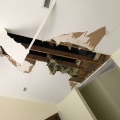
Environmental impacts such as air pollution or salt exposure near coastal areas can also accelerate aging in tile roofs. As tile roofs age, homeowners should be aware of common issues that may arise. Cracked or broken tiles are often the first signs of wear and can lead to leaks if not addressed promptly. Additionally, shifting tiles may indicate underlying structural problems that require immediate attention. Homeowners should conduct regular inspections to identify these issues early on. Determining whether to repair or replace a tile roof can be challenging.
A general rule of thumb is that if repairs exceed 25% of the roof's value or if the roof is nearing the end of its lifespan (around 50-75 years for concrete tiles), replacement might be more cost-effective in the long run. Homeowners should also consider the extent of damage—localized issues may warrant repairs, while widespread deterioration might necessitate a full replacement. It’s essential to acknowledge that opinions on roof longevity can vary based on personal experiences or regional practices. Some homeowners may have experienced longer-lasting roofs due to exceptional maintenance or favorable weather conditions, while others may have faced significant challenges with their tile roofs. These differing perspectives highlight the importance of understanding local climate factors and personal circumstances when assessing the potential lifespan of a tile roof. In conclusion, understanding the lifespan of tile roofs is vital for homeowners making informed decisions about their roofing options.
By recognizing the various factors that influence longevity, including material types and environmental conditions, homeowners can better prepare for the future and ensure their investment in a tile roof remains sound for decades to come.
Maintenance Tips for Longevity
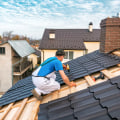
To ensure the longevity of your tile roof, regular maintenance is essential. Homeowners should schedule routine inspections at least twice a year, ideally in the spring and fall, to identify any potential issues early. During these inspections, look for cracked or broken tiles, which can compromise the integrity of your roof. Another critical maintenance task is to keep your roof free from debris such as leaves, branches, and dirt. Accumulated debris can trap moisture and lead to mold growth or deterioration of the tiles.A gentle cleaning with a soft brush or a garden hose can help maintain the appearance and functionality of your tile roof.Additionally, it’s crucial to check for leaks regularly, particularly after heavy rainfall or storms. Inspecting the underlayment and flashing around chimneys or vents can prevent water damage and extend the lifespan of your roof. If you notice any signs of moisture inside your home or on the roof surface, address these issues promptly to avoid costly repairs. By following these maintenance tips, homeowners can significantly enhance the lifespan of their tile roofs, ensuring they remain a durable and beautiful feature of their homes for many years.
Repair vs. Replacement: Making the Right Choice
When it comes to maintaining the integrity of your tile roof, homeowners often face a critical decision: repair or replace? Understanding the signs that indicate whether to patch up your existing roof or invest in a new one can save you both time and money. A good rule of thumb is to consider the age of your tile roof.Most tile roofs can last anywhere from 50 to 100 years, depending on the material and installation quality. If your roof is nearing the end of its lifespan and showing signs of significant wear, such as extensive cracking or broken tiles, it may be more prudent to replace rather than repair.On the other hand, if your roof is relatively young and only displays minor issues like localized leaks or a few damaged tiles, a repair might be sufficient. In this case, addressing the problem quickly can prevent further damage and extend the life of your roof. Another factor to consider is the cost-effectiveness of repairs versus replacement. While a small repair might seem less expensive upfront, multiple repairs over time can add up.
If you find yourself frequently calling for maintenance, it may signal that a full replacement is the more economical choice in the long run. Additionally, think about the potential for improved energy efficiency with a new tile roof. Modern materials and technology can offer better insulation and energy savings, making a replacement more appealing. Ultimately, consulting with a qualified roofing professional can provide valuable insights tailored to your specific situation. They can help assess the condition of your roof and guide you in making an informed decision between repair and replacement.
Factors Influencing Tile Roof Lifespan
The longevity of tile roofs is influenced by several critical factors that homeowners should consider when investing in this roofing option. Understanding these elements can help ensure that the roof maintains its integrity and aesthetic appeal over time.Material quality
plays a significant role in determining the lifespan of tile roofs.High-quality tiles made from durable materials, such as clay or concrete, are designed to withstand various environmental conditions. These materials are resistant to fading, cracking, and warping, contributing to a longer lifespan compared to lower-quality alternatives. Another crucial factor is installation techniques. Proper installation is vital for the overall performance and durability of a tile roof. Experienced professionals who adhere to manufacturer guidelines can ensure that the tiles are securely fastened and adequately aligned.
Poor installation can lead to issues such as leaks and structural damage, significantly reducing the roof's longevity.
Weather conditions
also have a significant impact on tile roof lifespan. Regions that experience extreme weather, such as heavy snowfall, intense heat, or high winds, can accelerate wear and tear on roofing materials. Additionally, areas with high humidity or frequent rainfall may be prone to mold and mildew growth, which can compromise the integrity of the tiles. Lastly, regular maintenance routines are essential for prolonging the life of tile roofs. Homeowners should schedule periodic inspections to check for cracked or damaged tiles and ensure that the roof’s drainage systems are functioning correctly.Simple maintenance tasks such as cleaning gutters and removing debris can help prevent potential problems that could shorten the lifespan of the roof. By understanding these factors—material quality, installation techniques, weather conditions, and maintenance routines—homeowners can make informed decisions that enhance the longevity of their tile roofs. In conclusion, tile roofing stands out as a reliable and aesthetically pleasing option for homeowners seeking long-lasting solutions. The unique composition and design of tile roofs not only enhance the visual appeal of a property but also contribute significantly to their durability and overall lifespan. However, to truly reap the benefits of tile roofs, it is crucial to prioritize regular maintenance. Routine inspections and timely repairs can prevent minor issues from escalating into costly problems, ultimately maximizing the lifespan of your roof. Homeowners are encouraged to seek expert guidance by consulting with professional roofing contractors.
These specialists can provide personalized assessments tailored to your specific roofing needs, ensuring that your tile roof remains in optimal condition for many years to come. By making informed decisions and maintaining your roof diligently, you can enjoy the numerous advantages that tile roofing has to offer.