When it comes to maintaining the integrity of your home, roof inspections play a crucial role in identifying potential issues before they escalate into costly repairs. Whether you are a homeowner, a property manager, or a roofing professional, having the right equipment can make all the difference in conducting thorough and effective inspections. In this article, we will explore the essential tools needed for roof inspections, ensuring that you are well-prepared to assess the condition of your roof. Roofing is often overlooked, yet it is one of the most critical components of a building's structure.
Regular inspections not only help in preserving the life of your roof but also enhance overall safety and comfort within your space. With the right tools at your disposal, you can confidently identify signs of wear and tear, such as leaks, missing shingles, or structural damage. From basic safety gear to advanced diagnostic instruments, each tool serves a unique purpose in the inspection process. In the following sections, we will delve into the various tools that should be part of every inspector's kit.
You’ll discover how each tool contributes to a comprehensive assessment and why investing in quality equipment is essential for effective roof maintenance. So, whether you are preparing for your first inspection or looking to upgrade your toolkit, join us as we uncover the vital instruments that will elevate your roof inspection game!When it comes to maintaining a healthy home, regular roof inspections are paramount. The **tools needed for roof inspections** can make this task easier and more effective, whether you're a DIY enthusiast or a professional. In this article, we will explore various tools necessary for roof inspections and their specific purposes, arming you with knowledge to ensure your roof remains in optimal condition. Starting with basic inspection tools, **binoculars** and **flashlights** are indispensable.
Binoculars allow you to survey the roof from the ground, making it easier to identify potential issues such as missing shingles, sagging areas, or discoloration. They provide a close-up view without the need to climb onto the roof, which is particularly useful for those who may not be comfortable with heights. A good flashlight, on the other hand, is essential for inspecting darker areas like attics or under eaves. It helps reveal hidden problems, such as water stains or mold growth, that might otherwise go unnoticed. Next, let’s discuss **safety gear**, which is critical during any roof inspection.
**Harnesses** and **helmets** should be at the top of your list to ensure personal safety while navigating rooftops. A harness can prevent falls, providing peace of mind as you move around the roof. Helmets protect against falling debris and other potential hazards that can arise during inspections. Using safety gear is not just recommended; it's a necessity that can save lives. For a more in-depth analysis of roof conditions, specialized tools like **moisture meters** and **infrared cameras** are invaluable.
Moisture meters help detect hidden leaks by measuring the moisture content in building materials. This tool is especially beneficial in identifying areas that may have been compromised by water intrusion but are not visible to the naked eye. Infrared cameras take this a step further by providing thermal imaging that reveals temperature variations across the roof surface. This technology is particularly useful for assessing insulation effectiveness and identifying heat loss areas which can lead to higher energy bills. To illustrate how these tools can be beneficial, consider the scenario of spotting hidden leaks.
A moisture meter can pinpoint areas that are wetter than they should be, indicating a leak that may require immediate attention. Similarly, an infrared camera can highlight temperature differences that suggest insulation issues or air leaks, allowing homeowners to address problems before they escalate into more significant repairs. It's important to address potential objections regarding DIY inspections versus hiring professionals. While many of these **tools needed for roof inspections** are accessible for DIYers, there are situations where hiring a qualified contractor may still be necessary. Complex roofing issues often require expert knowledge and experience to diagnose accurately and fix safely.
While basic inspections can be conducted with the right tools and safety precautions at hand, professional assessments provide assurance that all aspects of your roof's condition are thoroughly evaluated. In conclusion, having the right tools for roof inspections not only enhances your ability to identify issues early but also ensures your safety during the process. From basic inspection tools like binoculars and flashlights to essential safety gear and specialized devices like moisture meters and infrared cameras, equipping yourself appropriately is key to effective roof maintenance. Understanding when to tackle inspections yourself and when to call in a professional will ultimately lead to better outcomes for your home.
Safety Gear
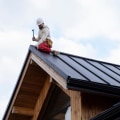
When it comes to safety gear for roof inspections, the importance of wearing a safety harness and helmet cannot be overstated. Roof inspections often require working at significant heights, which can pose serious risks if proper precautions are not taken.A safety harness helps to secure the inspector, preventing falls that could lead to severe injuries or even fatalities. Additionally, a helmet is crucial for protecting against head injuries caused by falling objects or slips. Even small tools or debris can become hazardous projectiles when working on a roof. By wearing a helmet, inspectors safeguard themselves against these unexpected dangers. In summary, investing in high-quality safety gear is essential for anyone conducting roof inspections. Not only does it protect the inspector, but it also ensures peace of mind while performing this critical maintenance task.
Basic Inspection Tools
When it comes to conducting roof inspections, having the right tools is essential for identifying potential issues effectively.Two of the most basic yet vital tools are binoculars and flashlights.
Binoculars
allow inspectors to survey the roof from a safe distance, making it easier to spot problems such as missing shingles, cracked tiles, or signs of water damage without having to climb up. This not only enhances safety but also provides a broader view of the roof's condition, helping to identify areas that may need closer examination. On the other hand, flashlights play a crucial role in illuminating dark spaces, especially when inspecting attics or under eaves where light is limited. A good flashlight can help reveal hidden issues like leaks, mold growth, or structural damage that might otherwise go unnoticed in shadowy corners. Together, these basic inspection tools are invaluable for anyone looking to maintain their roof effectively. They empower both DIY enthusiasts and professionals alike to perform thorough inspections and catch problems early, ensuring the longevity of the roof and the safety of the home.DIY vs.
Professional InspectionsWhen it comes to roof inspections, homeowners often face the decision between conducting DIY inspections or hiring a professional. Each option has its own set of advantages and disadvantages that can significantly impact the effectiveness of the inspection.
DIY inspections
can be a cost-effective solution for homeowners who are comfortable working at heights and possess basic knowledge of roofing systems. By performing their own inspections, homeowners can save on labor costs and have the flexibility to inspect their roofs as often as they wish. However, this approach also comes with risks.Without the trained eye of a professional, it can be easy to overlook subtle signs of damage or wear, which could lead to costly repairs down the line. On the other hand, hiring a professional roofing inspector ensures a thorough assessment of the roof’s condition. Professionals bring expertise and experience that allow them to identify issues that may not be apparent to an untrained individual. Additionally, they often have access to advanced tools and technologies that can enhance the inspection process. However, this option comes with a financial cost that some homeowners may find prohibitive. Ultimately, the choice between DIY inspections and hiring a professional depends on individual circumstances, including budget, knowledge, and comfort with heights.
Understanding these factors can help homeowners make informed decisions about maintaining their roofs effectively.
Specialized Equipment
When it comes to roof inspections, having the right tools is crucial for identifying potential issues that may not be visible to the naked eye. Among these tools, moisture meters and infrared cameras stand out as essential equipment for conducting thorough assessments.Moisture meters
are invaluable for detecting hidden water damage within roofing materials. These devices work by measuring the moisture content in the materials, allowing inspectors to pinpoint areas that may be at risk for mold growth or structural deterioration. By using a moisture meter, inspectors can assess the integrity of the roof and decide whether repairs are necessary before more extensive damage occurs. On the other hand, infrared cameras provide a unique advantage during roof inspections by utilizing thermal imaging technology.These cameras can detect temperature variations on the roof's surface, helping inspectors identify areas where heat is escaping or moisture is trapped. This technology is especially useful for spotting leaks or insulation deficiencies that could lead to higher energy costs and compromised comfort levels within the home. Both moisture meters and infrared cameras enhance the effectiveness of roof inspections by providing detailed insights that traditional methods might miss. Utilizing these advanced tools not only streamlines the inspection process but also ensures that any potential issues are addressed promptly, ultimately extending the lifespan of your roof and safeguarding your home. In conclusion, having the right tools for roof inspections is essential for both homeowners and professionals. These tools not only facilitate a thorough assessment of your roof's condition but also enhance safety during the inspection process.
By investing in quality equipment, you can ensure that your roof remains in optimal condition, which ultimately contributes to its longevity and performance. Regular inspections play a crucial role in preventing minor issues from escalating into costly repairs. By prioritizing regular roof inspections, you safeguard your investment and maintain the integrity of your home. Remember, a well-maintained roof is vital for the overall health of your property.