When it comes to choosing the right roofing style for your home or commercial building, one option that often sparks debate is the flat roof. While traditional sloped roofs have long dominated the landscape, the modern architectural trend is increasingly embracing the benefits and drawbacks of flat roofs. This unique roofing type offers a range of advantages that can be appealing for various structures, from aesthetic flexibility to potential cost savings. However, it also comes with its own set of challenges that homeowners and builders must carefully consider. In this article, we will dive deep into the pros and cons of flat roofs, exploring both sides of the equation.
Whether you're a homeowner contemplating a new build or a contractor looking to expand your knowledge, understanding these aspects is crucial in making an informed decision. Join us as we navigate through the intricacies of flat roofing, revealing insights that can help you determine if this option aligns with your needs and expectations.
Flat roofs
have gained significant traction in both residential and commercial buildings due to their unique characteristics and benefits. One of the primary advantages of flat roofs is their cost-effectiveness. Compared to traditional pitched roofs, flat roofs typically require fewer materials and less labor for installation.This reduced cost makes them an attractive option for homeowners and builders alike, especially for new constructions or renovations on a budget. Another notable advantage is the ease of installation. The construction process for flat roofs is generally straightforward, allowing for quicker project completion. This efficiency can be particularly beneficial for commercial properties where time is money, and a fast turnaround is essential. Flat roofs also offer the potential for additional living space. Homeowners can transform their roofs into functional areas, such as rooftop gardens, patios, or recreational spaces.
These enhancements not only increase the usable area of a property but can also significantly elevate its market value. For instance, a well-designed rooftop garden can serve as a serene retreat in an urban environment, appealing to buyers looking for unique features. However, while the advantages are compelling, flat roofs are not without their drawbacks. One major concern is water drainage issues. Unlike pitched roofs, which rely on gravity to direct water off the structure, flat roofs require effective drainage systems to prevent water accumulation.
If the drainage is inadequate, it can lead to standing water, which poses risks of structural damage over time. The potential for leaks is another significant drawback. Flat roofs are often more susceptible to leaks than their pitched counterparts due to their horizontal nature. Over time, exposure to the elements can wear down the roofing material, leading to cracks or punctures that can compromise the integrity of the building. Homeowners must be vigilant in monitoring their roofs for signs of leaks and should conduct regular inspections to catch issues early. Additionally, flat roofs generally have a limited lifespan compared to pitched roofs.
While traditional roofing materials can last 20-50 years with proper care, many flat roofing systems may only offer 10-20 years of service before requiring replacement. This shorter lifespan can lead to increased long-term costs if maintenance and replacements are not factored into the overall budgeting process. When it comes to maintenance, flat roof owners should familiarize themselves with some essential inspection techniques. Regularly checking for debris accumulation, cracks, or signs of wear can help identify problems before they escalate. Homeowners can perform these inspections themselves; however, they should exercise caution when accessing the roof.
If any significant issues are detected or if repairs are needed beyond basic maintenance—such as sealing leaks or replacing sections of the roofing material—it’s advisable to contact a professional contractor who specializes in flat roofing. In comparing flat roofs to other roofing types, such as pitched roofs or sloped systems, it’s important to note that each has its own set of advantages and disadvantages. Pitched roofs typically offer better water runoff and may have longer lifespans; however, they can be more expensive and complex to install. The choice between flat and pitched roofing often boils down to personal preference, budget considerations, and specific property needs. Ultimately, understanding the pros and cons of flat roofs allows homeowners and builders to make informed decisions regarding their roofing options. By weighing factors like cost, installation ease, potential living space enhancements against the risks of drainage issues and leaks, individuals can determine whether a flat roof aligns with their goals and maintenance capabilities.
Advantages of Flat Roofs
Affordability is one of the primary benefits of flat roofs.Compared to traditional sloped roofs, flat roofs typically require less material and labor, leading to reduced construction costs. Homeowners and builders often find that this cost-effectiveness makes flat roofs an appealing choice, especially for larger structures. Another advantage is their versatility in design. Flat roofs offer a clean and modern aesthetic that can complement various architectural styles. They provide additional space for features such as rooftop gardens, terraces, or solar panels, enhancing the usability of the building's top area. Furthermore, flat roofs are particularly suitable for urban environments.
In densely populated areas, the space at a premium means that the horizontal layout of flat roofs can maximize usable area. This adaptability allows for creative uses such as outdoor living spaces or communal areas that can benefit urban dwellers looking for green space amidst concrete landscapes.
Maintenance and Repair Tips
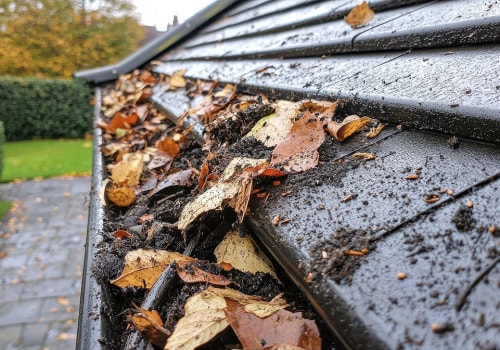
Maintaining a flat roof is essential to ensure its longevity and performance. Regular inspections should be conducted at least twice a year, preferably in the spring and fall, to check for any signs of damage or wear. During these inspections, look for ponding water, cracks, or blisters in the roofing material, as these can lead to leaks if not addressed promptly. Another important aspect of maintenance is keeping the roof clean.Remove any debris such as leaves, branches, and dirt that can accumulate on the surface. Clogged drains or gutters can cause water to pool, increasing the risk of damage. Regularly cleaning these areas helps maintain proper drainage and prevents water-related issues. If you do discover damage during your inspections, it’s crucial to address it quickly. Common repair methods include applying a patch to small cracks or using roofing tape to seal leaks.
For larger issues, such as significant tears or blisters, consulting with a professional contractor is advisable to ensure proper repair techniques are used. Additionally, consider applying a protective coating every few years. This can enhance the roof's durability and reflectivity, ultimately contributing to energy efficiency by reducing cooling costs. When hiring contractors for maintenance or repairs, make sure to choose professionals experienced with flat roofs. Verify their credentials and ask for references to ensure quality workmanship.
DIY Inspection Methods
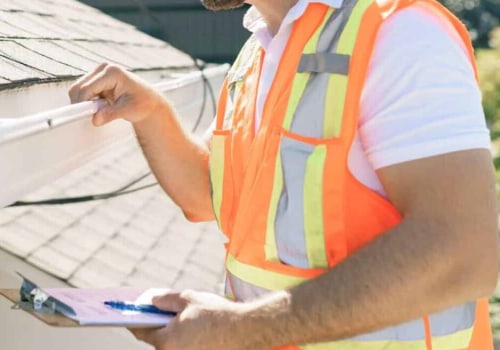
Conducting regular inspections of your flat roof is crucial to maintaining its integrity and longevity. Homeowners can perform several simple DIY methods to assess the condition of their flat roofs safely.1.Visual Inspection:
Begin with a thorough visual inspection from the ground.Use binoculars to check for any visible issues such as sagging areas, cracks, or pooling water. Look for signs of damage around roof edges, penetrations, and flashing.
2.Check for Ponding Water:
After a rainstorm, inspect the roof surface for any areas where water collects. Ponding water can lead to structural damage and leaks if not addressed promptly.3.Inspect Roof Drains and Gutters:
Ensure that all roof drains and gutters are clear of debris. Blocked drains can lead to water buildup, which can compromise the roof's structure.4.Examine Membrane Condition:
If your flat roof has a membrane, check for blisters, tears, or punctures.These defects can allow moisture to penetrate the roof system.
5.Look for Cracks or Gaps:
Inspect seams and joints for any cracks or gaps that may allow water infiltration. Seal any minor issues with appropriate roofing sealants.6.Safety Precautions:
Always prioritize safety when inspecting your roof. Use sturdy ladders, wear appropriate footwear, and consider using a safety harness if necessary. By following these simple DIY inspection methods, homeowners can identify potential issues early and take necessary action to maintain their flat roofs effectively.Disadvantages of Flat Roofs
While flat roofs offer several advantages, they also come with notable disadvantages that potential buyers should consider. One significant issue is drainage concerns.Flat roofs are designed with a minimal slope, which can lead to water pooling if not properly managed. This pooling can result in leaks and water damage over time, necessitating careful planning and installation to ensure adequate drainage systems are in place. Another drawback is the increased susceptibility to weather damage. Unlike pitched roofs that allow snow and rain to slide off easily, flat roofs can hold onto debris, snow, and standing water. This accumulation can lead to deterioration of the roofing material and potentially costly repairs.
In regions with harsh weather conditions, such as heavy snowfall or intense heat, flat roofs may require more frequent inspections and maintenance. Maintenance challenges are also a significant concern for flat roofs. Regular upkeep is essential to prevent leaks and prolong the lifespan of the roofing system. Homeowners must be proactive in checking for signs of wear, such as cracks or blistering, and address issues promptly. Additionally, any repairs may require specialized knowledge or skills, making it crucial to hire experienced contractors who understand the unique requirements of maintaining a flat roof.
Choosing a Contractor
When it comes to installing or repairing flat roofs, selecting the right contractor is crucial to ensure quality workmanship and long-lasting results.Here are some key factors to consider when hiring a roofing contractor for flat roofs.
Check Credentials:
Start by verifying the contractor's credentials. Ensure they are licensed and insured, as this protects you from liability in case of accidents during the project. Additionally, check if they have any certifications related to flat roofing systems.Experience with Flat Roofs:
Not all roofing contractors have experience with Not all roofing contractors have experience with flat roofs. Ask the contractor how many flat roofing projects they have completed and request references from past clients.This will give you an idea of their expertise and reliability.
Ask the Right Questions:
Prepare a list of questions to ask potential contractors. Inquire about their approach to flat roof installation and maintenance, warranty options, and their process for handling unforeseen issues during the project. Understanding their methodology can help you gauge their professionalism.Get Multiple Quotes:
It's wise to obtain quotes from several contractors before making a decision. This not only helps you compare prices but also gives you insight into different approaches and materials suggested for your flat roof.Be cautious of quotes that seem significantly lower than others, as they may indicate subpar work or materials.
Review Contracts Carefully:
Once you decide on a contractor, make sure to review the contract thoroughly. Ensure it includes detailed information about the scope of work, materials to be used, payment schedule, and timeline for completion. A clear contract can prevent misunderstandings later on. By following these guidelines, you can find a qualified contractor who will help you achieve the best results for your flat roofing needs. In conclusion, we have explored the pros and cons of flat roofs, highlighting the various advantages such as affordability, ease of installation, and potential for additional outdoor space, alongside the drawbacks like drainage issues and limited longevity. It is essential for homeowners to weigh these factors carefully when considering roofing options for their properties. Additionally, understanding the maintenance and repair requirements, along with knowing how to choose a qualified contractor or perform DIY inspections, can significantly impact the lifespan and functionality of your flat roof.Consulting with professionals can provide tailored insights that cater to your specific needs, ensuring that you make an informed decision.