When it comes to home maintenance, one of the most critical yet often overlooked aspects is the condition of your roof. A well-maintained roof not only protects your home from the elements but also enhances its overall value. However, even the sturdiest roofs can develop issues over time, leading to one of the most frustrating problems homeowners face: leaks. Understanding the common causes of Understanding the common causes of roof leaksUnderstanding the common causes of roof leaks is essential for any homeowner who wants to safeguard their property and ensure its longevity. In this article, we will delve into the various factors that contribute to roof leaks, providing you with valuable insights that can help you identify potential problems before they escalate.
From weather-related wear and tear to improper installation techniques, understanding these causes can empower you to take proactive measures in protecting your home. Whether you're a seasoned homeowner or new to property management, recognizing the signs of a leaking roof and knowing what causes these issues can save you time and money in the long run. So, let's embark on this journey to uncover the common causes of roof leaks and equip ourselves with knowledge that could make all the difference in maintaining a safe and secure home. Roof leaks can be a homeowner's worst nightmare, leading to extensive damage if not addressed promptly. Understanding the common causes of roof leaks is crucial for maintaining the integrity of your home. By identifying these issues early, you can prevent costly repairs and ensure your roof remains in good condition for years to come. One major cause of roof leaks is weather damage.
Severe weather conditions, such as heavy rain, snow, and high winds, can take a toll on your roof. For instance, wind-driven rain can seep under shingles, while ice damming can cause water to back up and leak into your home. According to the National Roofing Contractors Association (NRCA), approximately 40% of homeowners experience roof leaks due to weather-related issues. This statistic underscores the importance of regular inspections, especially after severe weather events. Another significant factor is improper installation.
If roofing materials are not installed correctly, it can lead to gaps and vulnerabilities that allow water to infiltrate. For example, if flashing around chimneys or vents is improperly sealed, it can become a point of leakage. A case study from a local roofing company revealed that 30% of their leak repairs were attributed to installation errors. This highlights the need for qualified contractors who understand the nuances of proper installation techniques.
Wear and tear
is also a common culprit when it comes to roof leaks.Over time, roofs naturally degrade due to exposure to the elements. Asphalt shingles, for instance, can curl and crack as they age, making them susceptible to leaks. A study conducted by the Roofing Industry Committee on Weather Issues found that roofs typically last around 20-25 years before significant wear becomes evident. Regular maintenance can help identify these issues early on and prolong the lifespan of your roof. Specific roofing materials have unique vulnerabilities that can lead to leaks.
Asphalt shingles are prone to curling and blistering, while metal roofs may experience rust or corrosion if not properly treated. Flat roofs, commonly used in commercial buildings, are particularly susceptible to pooling water, which can create leaks over time. Statistics show that flat roofs require more frequent inspections due to their design flaws compared to pitched roofs. When addressing roof leaks, homeowners often face a dilemma: should they attempt DIY repairs or hire qualified contractors? While DIY methods can save money upfront, they may not address the root causes effectively. Experts warn that improper repairs can exacerbate the issue, leading to more significant damage down the line.
In fact, a survey by HomeAdvisor found that nearly 25% of DIY roof repairs resulted in additional leaks within a year. It’s essential for homeowners to weigh the risks and benefits before deciding on a repair strategy. Regular maintenance is key to preventing leaks from occurring in the first place. Homeowners should conduct routine inspections of their roofs at least twice a year and after severe weather events. Look for missing shingles, damaged flashing, or signs of water pooling.
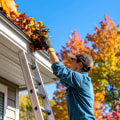
Cleaning gutters regularly is also vital in preventing water backup that can lead to leaks. According to the NRCA, proper maintenance can extend the life of a roof by up to 50%. In conclusion, understanding the common causes of roof leaks is essential for every homeowner. By recognizing issues such as weather damage, improper installation, wear and tear, and vulnerabilities specific to various roofing materials, you can take proactive steps to mitigate potential problems.
While some homeowners may feel confident tackling repairs themselves, hiring qualified contractors often leads to better long-term results and peace of mind. Remember that regular maintenance is your best defense against roof leaks and maintaining your home's integrity.
Improper Installation
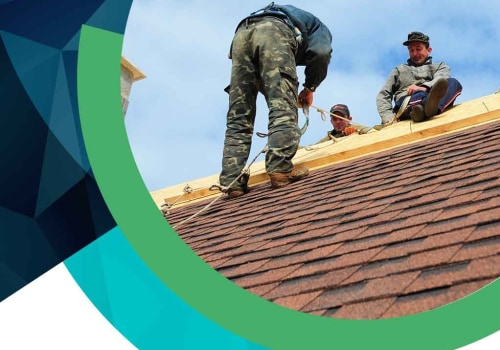
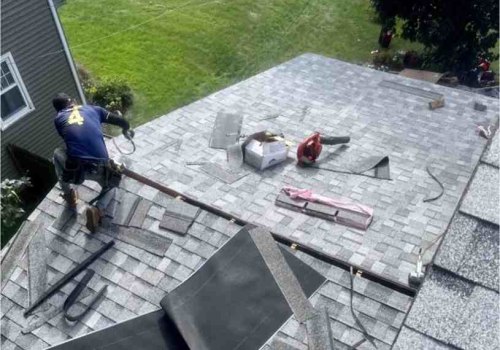
Improper installation of roofing materials is a leading cause of roof leaks that homeowners often overlook. When roofing systems are not installed correctly, they can develop vulnerabilities that allow water to seep through, resulting in significant damage over time. For instance, if shingles are not aligned properly or if they are nailed down incorrectly, it can create gaps or lift points where water can infiltrate. Additionally, flashing, which is crucial for directing water away from critical areas such as chimneys and vents, must be installed with precision.Poorly placed or damaged flashing can lead to leaks around these structures. Moreover, inadequate sealing at joints and seams can also contribute to water penetration. Roofing materials must be compatible with one another, and if they are not installed according to the manufacturer's specifications, it can compromise the entire roofing system. Homeowners should be cautious when hiring contractors for roof installation. It's essential to choose experienced professionals who adhere to best practices to ensure that the roof is installed correctly from the start. Investing in quality installation can save homeowners from the frustration and expense of future repairs caused by leaks.
Weather-Related Damage
One of the most significant factors contributing to roof leaks is weather-related damage.Understanding how different weather conditions can impact your roof is crucial for maintaining its integrity. Heavy rain can overwhelm roofing systems, especially if the drainage is inadequate. When rainwater accumulates on a roof, it can seep into vulnerable areas, leading to leaks that may go unnoticed until further damage occurs. In addition to rain, snow accumulation poses a serious risk as well. When snow piles up on a roof, it creates additional weight and pressure.
As temperatures fluctuate, this snow can melt and refreeze, forming ice dams along the eaves. These ice dams prevent proper drainage, causing water to back up under shingles and eventually leak into the home.
Wind
also plays a critical role in roof leaks. Strong gusts can lift shingles or tiles, creating gaps through which water can enter. Moreover, wind-driven rain can force water into small openings that would typically remain sealed under normal conditions. By recognizing the impact of weather on roofing systems, homeowners can take proactive measures to mitigate potential leaks.Regular inspections after severe weather events and timely maintenance can help ensure your roof remains watertight and functional.
DIY Inspection Techniques
Homeowners can play a crucial role in maintaining their roofs by conducting regular inspections. By understanding DIY inspection techniques, you can identify potential leaks before they escalate into major issues. Start your inspection from the ground up. Use binoculars to examine the roof for any visible signs of damage, such as missing shingles or sagging areas. Pay close attention to the areas around chimneys, vents, and skylights, as these are common spots where leaks can occur. Next, safely climb onto the roof if you feel comfortable doing so.Ensure you have appropriate safety gear, including a sturdy ladder, non-slip shoes, and a harness if necessary. Once on the roof, check for cracked or curling shingles and look for any debris that may trap water and lead to leaks. Inspect the gutters and downspouts as well, as clogged gutters can cause water to back up and seep under shingles. Clean out any debris and ensure that water flows freely. Finally, after heavy rainfall, check your attic for signs of moisture or water stains on the ceiling or walls. This can indicate a leak that may not be visible from the exterior.
By using these DIY inspection techniques, homeowners can proactively address potential problems and maintain the integrity of their roofs.
Wear and Tear Over Time
A roof is a vital component of any home, providing protection from the elements and contributing to the overall integrity of the structure. However, just like any other part of a house, roofs experience wear and tear over time. As roofs age, the materials used in their construction can degrade, leading to potential leaks. Common roofing materials such as asphalt shingles, metal, and tiles have a finite lifespan.For instance, asphalt shingles typically last around 20 to 30 years, while metal roofs can last 40 years or more. As these materials age, they become less effective at repelling water and more susceptible to damage from weather conditions, such as heavy rain, snow, or extreme heat. This degradation can result in cracks, missing shingles, or rusted areas that allow water to penetrate. Additionally, the effects of UV exposure can weaken roofing materials over time. Prolonged sun exposure can cause shingles to become brittle and dry out, leading to cracks and gaps.
These vulnerabilities are often exacerbated by other environmental factors such as wind uplift or debris accumulation, which can further compromise the roof's integrity. Understanding how worn-out roofing materials contribute to leaks is essential for homeowners. Regular inspections and maintenance can help identify signs of aging before they lead to significant problems. By addressing these issues promptly, homeowners can prevent further damage and ensure the longevity of their roofs.
Specific Roofing Material Issues
When it comes to roof leaks, understanding the specific issues associated with various roofing materials is crucial for effective prevention and repair. Different materials come with their own set of vulnerabilities that can lead to leaks if not properly maintained.Asphalt Shingles
are one of the most common roofing materials used in residential homes.However, they can be prone to issues such as curling, cracking, and granule loss over time. These problems often arise from age, improper installation, or extreme weather conditions, allowing water to penetrate the roof and cause leaks.
Metal Roofs
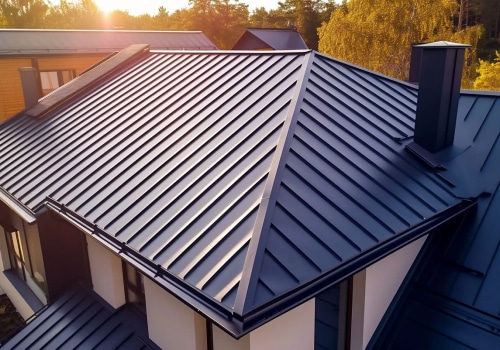
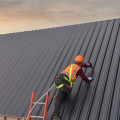
, while durable, can also develop leaks if not installed correctly. Common problems include rusting at the seams and fastener failure. Additionally, if the metal panels are not properly sealed or if there are gaps due to thermal expansion and contraction, water can easily find its way beneath the surface.Tile Roofs
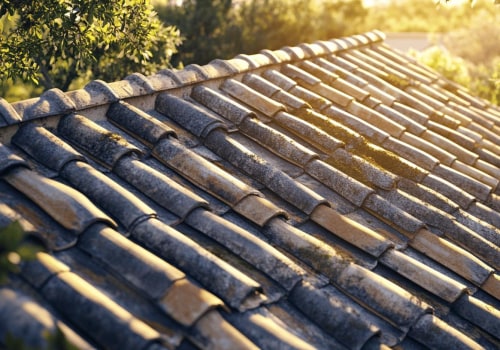
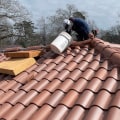
, particularly clay or concrete tiles, are known for their longevity but can be susceptible to cracking or breaking due to heavy impacts or severe weather.When tiles are damaged, it creates an entry point for water, leading to potential leaks.
Wood Shake Roofs
require regular maintenance to prevent issues like rot or insect infestation. If wood shakes are not treated or replaced when damaged, they can absorb water and promote leaks as well.Flat Roofs
often face unique challenges due to their lack of slope, which makes drainage more difficult. Common issues include ponding water and membrane deterioration. Over time, these factors can lead to significant leaks if not addressed promptly. By understanding these specific roofing material issues, homeowners can take proactive steps to maintain their roofs and minimize the risk of leaks.Regular inspections and maintenance tailored to the type of roofing material used can help ensure the integrity of your roof and your home. In this article, we have explored the common causes of roof leaks, including weather-related damage, improper installation, wear and tear over time, and specific roofing material issues. Understanding these factors is crucial for homeowners who wish to protect their investment and maintain the integrity of their homes. Recognizing the signs of potential leaks and their causes allows you to address issues before they escalate, saving you time and money in the long run. We encourage you to adopt proactive measures, such as conducting regular inspections and making timely repairs. Whether you choose to enlist professional services or tackle some DIY efforts, being informed and prepared is key to safeguarding your roof.