As the unsung heroes of our homes, asphalt roofs provide essential protection against the elements, ensuring our living spaces remain safe and dry. However, like all things, they are not impervious to damage. Over time, wear and tear can lead to leaks that threaten the integrity of your roof and, consequently, your home. Ignoring these leaks can result in costly repairs and extensive damage.
That’s where the art of patching leaks in asphalt roofs comes into play. This article delves into effective techniques for addressing leaks promptly and efficiently, empowering you with the knowledge to tackle this crucial maintenance task yourself. Whether you’re a seasoned DIYer or a homeowner looking to save on repair costs, understanding the best methods for patching asphalt roofs can make all the difference in extending the lifespan of your roof. Join us as we explore practical solutions that will not only restore your roof’s functionality but also enhance its durability against future challenges. With a little effort and the right techniques, you can safeguard your home from the damaging effects of water infiltration. Asphalt roofs are a popular choice among homeowners due to their affordability and durability. However, like any roofing material, they are not immune to problems, particularly leaks.
Understanding the different types of asphalt roofs—such as three-tab shingles, architectural shingles, and rolled asphalt—can help in identifying potential vulnerabilities. Over time, these roofs can develop leaks due to various factors including age, extreme weather conditions, or improper installation. For instance, older roofs may suffer from cracked or missing shingles, while poor installation can lead to seams that do not seal properly, creating opportunities for water to infiltrate. Recognizing the signs of leaks is crucial for timely intervention. Homeowners should look for water stains on ceilings or walls, mold growth, or damp insulation in the attic.
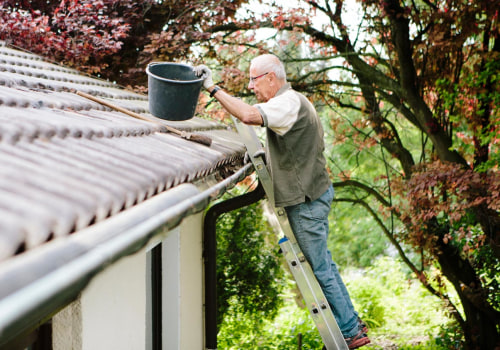
Inspecting the roof regularly is equally important; a thorough examination after severe weather can help identify any damage before it escalates. Regular maintenance, including cleaning gutters and removing debris, can extend the life of an asphalt roof and reduce the risk of leaks. When it comes to patching leaks in asphalt roofs, there are several effective DIY methods that can be employed. Before starting any repair work, it's essential to gather the necessary materials. Commonly needed items include roofing cement, a putty knife, a wire brush, a trowel, and patches made of either asphalt or fiberglass.
Safety precautions should not be overlooked; wearing gloves and a mask is advisable, especially when dealing with potentially harmful materials. The first step in DIY patching is to inspect the area around the leak carefully. Look for cracked shingles or damaged areas where moisture might be entering. Once identified, use a wire brush to clean the area thoroughly to ensure good adhesion for the patching material. Apply roofing cement generously over the damaged section using a putty knife or trowel.
If using a patch, press it firmly into the cement and cover it with an additional layer of roofing cement to seal the edges. Successful DIY repairs are often highlighted by homeowners who have tackled similar issues themselves. For example, one homeowner noticed water stains in their living room after heavy rains. Upon inspection, they found several cracked shingles on their asphalt roof. After cleaning the affected area and applying roofing cement and patches, they reported no further leaks during subsequent rainstorms.
However, it's important to note potential pitfalls; rushing through repairs or failing to properly clean the area can lead to inadequate sealing and continued leakage. While many leaks can be addressed with DIY techniques, there are situations where seeking professional help is advisable. If extensive damage is present or if safety concerns arise—such as steep roof pitches or difficult access—it may be best to contact a roofing professional. Additionally, if multiple areas show signs of damage or if repairs do not resolve the issue after several attempts, professional assessment can provide long-term solutions. Common misconceptions about DIY roofing repairs often stem from the belief that all leaks can be easily fixed without professional assistance. However, it's crucial to recognize one's limitations and understand when a repair exceeds personal expertise.
Not every leak is straightforward; some may indicate underlying issues such as structural damage or poor ventilation that require specialized knowledge. In conclusion, patching leaks in asphalt roofs is an essential skill for homeowners looking to maintain their investment and prolong the life of their roofs. By understanding common causes of leaks, recognizing signs early on, and employing effective DIY repair techniques while knowing when to seek professional help, homeowners can protect their homes from costly damages.
When to Call a Professional Roofer
While many patching leaks in asphalt roofs can be handled as DIY projects, there are certain circumstances where hiring a professional roofer is necessary. If you find yourself facing extensive damage or multiple leaks, it is wise to seek expert assistance. Professionals have the training and experience to accurately diagnose issues that may not be immediately visible, such as underlying structural problems. Additionally, if the damage is located in hard-to-reach areas or on steep slopes, safety becomes a paramount concern.A professional roofer has the proper equipment and training to navigate these challenging conditions safely. Furthermore, if you lack the necessary tools or skills to perform the repair effectively, it is better to invest in professional help rather than risking further damage to your roof. A poorly executed repair can lead to more significant issues down the line, resulting in higher costs and inconvenience. Finally, consider hiring a professional if your roof is nearing the end of its lifespan. In such cases, it may be more economical to replace the roof entirely rather than patching individual leaks. A professional can provide a thorough evaluation and recommend the best course of action for your specific situation.
Understanding Asphalt Roofs and Common Issues
Asphalt roofs are among the most popular roofing materials due to their affordability, durability, and ease of installation.There are primarily two types of asphalt roofs: asphalt shingles and asphalt rolls. Asphalt shingles are the most common choice for residential homes, available in a variety of styles and colors. They typically have a lifespan of 15 to 30 years, depending on the quality of the material and the local climate. On the other hand, asphalt rolls are often used for low-slope roofs and offer a different aesthetic and performance profile.
These rolls usually last about 10 to 20 years. Despite their advantages, asphalt roofs can encounter several common issues over time. One prevalent problem is leaks, which can occur due to various factors such as age, extreme weather conditions, or improper installation. Other typical issues include curling or buckling shingles, granule loss, and roof sagging, all of which can compromise the roof's integrity and lead to further damage if not addressed promptly. Regular maintenance and timely repairs are essential to prolonging the life of an asphalt roof and preventing costly repairs down the line.
Identifying Roof Leaks: Signs and Inspection Techniques
Identifying leaks in your asphalt roof is crucial to maintaining its integrity and longevity.Patching leaks in asphalt roofs can save homeowners from extensive damage and costly repairs. To start, it’s essential to know the common signs that indicate a potential leak. One of the most obvious signs of a leak is water stains on your ceiling or walls. These stains often appear as dark spots or discoloration, indicating that water has penetrated your roof. Additionally, look for peeling paint or wallpaper, which may also suggest moisture problems. Another warning sign includes missing, cracked, or curled shingles.
Inspect your roof visually from the ground using binoculars or safely climb up for a closer look if you feel comfortable. Check for any granule loss on the shingles, which can expose the underlying layers to water damage. During inspection, pay special attention to areas around chimneys, vents, and skylights, as these are common points for leaks to develop. Ensure that flashing (the metal strips that direct water away from these areas) is intact and not rusted or damaged. To conduct a thorough inspection, wait for a dry day and then use a hose to simulate rain. Start at the lower edge of your roof and work your way up, checking for water entering the house while someone observes inside.
This method can help pinpoint the source of the leak more effectively. Finally, consider seeking professional help if you are unsure about your findings. Experienced roofers can use specialized equipment to detect leaks that may not be visible to the naked eye. Timely identification of these issues is essential for effective patching leaks in asphalt roofs.
DIY Patching Methods: Step-by-Step Instructions
Patching leaks in asphalt roofs is a crucial skill for homeowners looking to maintain their roofs and avoid expensive repairs. Here is a step-by-step guide on various DIY patching methods using different materials.1.Asphalt Roofing Cement Method:
This method is effective for small leaks.Begin by cleaning the area around the leak with a wire brush to remove any debris or loose shingles. Once clean, apply a generous amount of asphalt roofing cement over the leak using a putty knife, ensuring it fills the crack or hole completely. Smooth the surface and feather the edges for a seamless finish. Allow it to cure as per the manufacturer's instructions.
2.Fabric and Cement Method:
For larger leaks, this method provides added strength.Start by cleaning the area thoroughly as mentioned before. Cut a piece of roofing fabric or fiberglass mesh to fit over the leak, extending at least 6 inches beyond the damage on all sides. Apply a layer of asphalt roofing cement to the leak area, place the fabric over it, and then cover it with another layer of cement, ensuring it is well embedded. Smooth the edges and allow it to cure properly.
3.Self-Adhesive Patch Method:
This is a quick and easy solution for minor leaks.Clean the area around the leak, then peel off the backing of the self-adhesive patch and firmly press it over the leak. Make sure to smooth out any air bubbles. This type of patch typically requires no additional sealing but check for specific instructions from the manufacturer.
4.Liquid Rubber Method:
Ideal for irregular shapes or larger areas, this method involves applying liquid rubber directly onto the leak. After cleaning, use a brush or roller to apply an even coat of liquid rubber over and around the leak.This product will create a waterproof seal as it cures, preventing future leaks. Each of these methods provides a viable solution to patch leaks in asphalt roofs. Choosing the right technique depends on the size of the damage and available materials. Always ensure proper safety precautions are taken when working on your roof. In conclusion, maintaining the integrity of your asphalt roof is crucial for protecting your home from water damage and other associated issues.
Patching leaks in asphalt roofs
is not just a task but a necessary step to prolong the lifespan of your roofing system.Throughout this article, we have highlighted the common issues that can arise with asphalt roofs, particularly focusing on leaks. We discussed how timely repairs can save homeowners from expensive damages in the future, making it imperative to act quickly when signs of leaks are observed. We provided detailed insights into identifying roof leaks and the various DIY patching methods available, offering step-by-step instructions to guide you through the process. However, it is essential to recognize when a situation may warrant professional intervention. While DIY repairs can be effective for minor issues, knowing your limits and understanding when to call a professional roofer is equally important. Ultimately, we encourage you to take action based on your findings.
Regular inspections and prompt repairs will not only enhance the durability of your asphalt roof but also ensure the safety and comfort of your home.