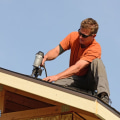
As the days grow shorter and the temperatures begin to drop, it's essential to shift our focus to the winter preparations for your roof. The winter months can be harsh, bringing heavy snowfall, ice, and freezing temperatures that can wreak havoc on a home’s exterior. Neglecting your roof during this critical period can lead to costly damages and uncomfortable living conditions. In this guide, we will explore the essential winter preparations for your roof that every homeowner should undertake to ensure their property remains safe and secure throughout the season.
From inspecting your roof for potential vulnerabilities to ensuring proper insulation and drainage, these proactive steps can save you time, money, and stress later on. Are you ready to protect your home and enhance its durability against the elements? Join us as we delve into the best practices for winterizing your roof and maintaining its integrity through even the harshest of winters!Preparing your roof for winter is a crucial step that every homeowner should prioritize. The **importance of winter preparations for roofs** cannot be overstated, as neglecting this essential maintenance can lead to significant risks, including leaks, structural damage, and costly repairs. Winter weather conditions can wreak havoc on various roofing types, making it vital to take proactive measures to ensure your roof remains intact throughout the cold months. Different roofing materials require specific care and attention during winter.
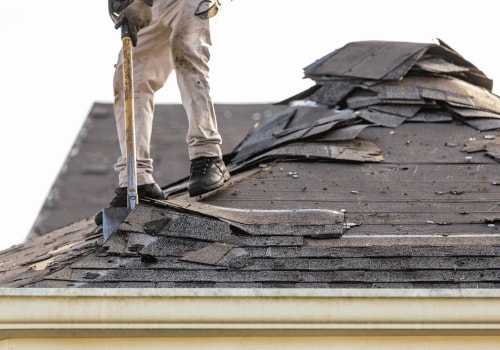
For instance, **asphalt shingles** are prone to cracking and curling when exposed to freezing temperatures. Homeowners should inspect their roofs for any loose or damaged shingles and replace them promptly to prevent further issues. On the other hand, **metal roofs** are relatively durable but may develop rust if not adequately maintained. It's essential to check for any signs of corrosion or loose panels before winter sets in.
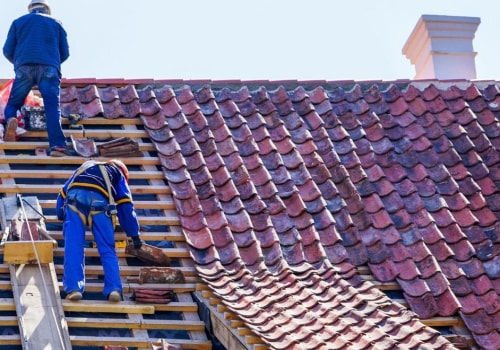
**Tile roofs** offer excellent durability but can be fragile; homeowners must inspect the tiles for any cracks or breakage that could allow water infiltration during winter storms. Inspecting your roof before winter is a proactive way to protect your home from potential damage. Start by visually examining the roof from the ground and using binoculars if necessary. Look for **loose shingles**, which can be easily blown off by strong winds. Additionally, check for signs of leaks inside your home, such as water stains on ceilings or walls, which may indicate roof damage.
Ensuring proper drainage systems are in place is also critical; clogged gutters can lead to ice dams that can cause significant roof damage. Take the time to clean your gutters and downspouts, ensuring they are free of debris and able to direct water away from your roof effectively. While some homeowners may be comfortable performing inspections and maintenance tasks themselves, hiring professional contractors for thorough inspections or repairs can provide peace of mind. When looking for a reliable contractor, consider factors such as their experience, customer reviews, and whether they have appropriate licenses and insurance. A trustworthy contractor will provide a detailed assessment of your roof's condition and recommend necessary repairs. For those who prefer a DIY approach, there are several minor maintenance tasks that can be accomplished without professional help.
Clearing out gutters is one such task that every homeowner should undertake before winter arrives. Additionally, applying sealants to vulnerable areas around chimneys, vents, and skylights can help prevent water infiltration during heavy snow or rain. However, if you encounter significant issues such as major leaks or extensive damage, it’s best to call in a professional to address these concerns properly. Real-life experiences highlight the importance of proper winter preparations for roofs. For instance, one homeowner shared how neglecting roof maintenance led to severe leaks during a winter storm, resulting in extensive water damage inside their home.
After hiring a professional contractor to repair the roof and implement preventative measures, they learned the value of regular inspections and maintenance. Another case involved a family with a tile roof who faced significant repair costs after failing to replace broken tiles before winter. When the first snow fell, the compromised tiles allowed water to seep through, leading to ice buildup and further damage. This unfortunate experience underscored the necessity of inspecting roofing materials regularly and addressing issues before they escalate. In conclusion, taking the time to prepare your roof for winter can save you from headaches and expenses down the line. By understanding the specific needs of your roofing material, conducting thorough inspections, and knowing when to seek professional help, you can ensure that your home remains protected against harsh winter conditions.
Inspecting Your Roof: Key Areas to Focus On
As winter approaches, it is crucial to conduct a thorough inspection of your roof to identify any potential issues that could lead to significant problems during the colder months.Flashing, gutters, and valleys are three critical areas that require close attention.
Flashing
is the material used to prevent water from penetrating the roof at joints and seams. Inspect all flashing around chimneys, vents, and skylights for any signs of damage or deterioration. Look for rust spots, cracks, or loose sections that may allow water to seep in.Gutters
play a vital role in directing water away from your roof and foundation. Ensure that your gutters are clear of debris such as leaves and twigs, which can cause blockages and lead to overflow.Inspect the gutters for any sagging or detachment from the roofline, and check for holes or leaks that could compromise their effectiveness.
Valleys
, where two slopes meet, are particularly susceptible to water accumulation. Examine these areas for signs of wear or damage, as they can be prone to leaks if not properly maintained. Ensure that the shingles are intact and that there is no debris obstructing the flow of water. By focusing on these key areas—flashing, gutters, and valleys—you can proactively address potential issues before winter weather exacerbates them, saving you from costly repairs down the line.When to Call a Professional
While many winter preparations for your roof can be handled by homeowners, there are certain scenarios where hiring a professional roofer becomes essential. Recognizing these situations not only ensures the safety of your home but also guarantees high-quality work that can withstand harsh winter conditions. Firstly, if you notice any significant damage such as large cracks, missing shingles, or sagging areas, it is critical to call a professional.These issues can lead to more severe problems if left untreated, including leaks and structural damage. A qualified roofer can assess the extent of the damage and recommend appropriate repairs. Secondly, if your roof is particularly steep or high, attempting maintenance on your own can be dangerous. Professional roofers are trained to work safely at heights and have the necessary equipment to navigate tricky roofing situations. This not only protects you from potential accidents but also ensures that the job is done correctly. Additionally, if you are unsure about the state of your roof or lack the experience to perform inspections properly, it is wise to consult a professional.
They can provide a thorough evaluation and identify hidden issues that may not be apparent to an untrained eye. Lastly, if you are considering extensive winter preparations, such as installing insulation or heating elements, hiring a professional is advisable. These tasks often require specialized knowledge and skills that only certified roofers possess. In summary, while routine maintenance can often be a DIY task, knowing when to call a professional for your winter preparations for your roof is crucial for maintaining safety and ensuring quality results.
Understanding Different Roofing Materials
When it comes to winter preparations, it is crucial to recognize that different roofing materials respond uniquely to cold weather conditions. Understanding these differences will allow homeowners to take the appropriate steps in maintaining their roofs effectively.Asphalt shingles
are one of the most common roofing materials. They can become brittle in extremely cold temperatures, increasing the risk of cracking or breaking during ice formation.To prepare asphalt shingles for winter, it is essential to ensure that they are clean and free from debris, as accumulated leaves and snow can lead to moisture retention and mold growth.
Metal roofs
, on the other hand, offer excellent durability against winter weather. However, they can be prone to ice dam formation. Homeowners should inspect the roof's slope and consider adding insulation in the attic to minimize heat loss, which can prevent ice dams from forming along the eaves.Tile roofs
, made from materials like clay or concrete, are known for their longevity but can be heavy and susceptible to cracking in freezing temperatures. It is essential to check for any broken tiles and replace them before winter sets in.Additionally, ensuring that gutters are clear will help prevent water accumulation that could freeze and cause additional damage. Lastly, wooden shingles require special attention during winter months. These shingles should be treated with a protective sealant to prevent moisture absorption, which can lead to warping or mold growth. Regular inspections should be conducted to identify any signs of wear or damage before the harsh winter weather arrives. In summary, understanding how various roofing materials react to winter conditions is vital for effective maintenance. By taking the necessary precautions tailored to each material type, homeowners can ensure their roofs remain safe and functional throughout the winter months.
DIY Roof Maintenance Tips
Preparing your roof for winter is essential to ensure its longevity and effectiveness.Here are some simple maintenance tasks that homeowners can perform themselves to get their roofs ready for the colder months:1.Inspect for Damage: Begin by examining your roof for any visible signs of damage such as cracked or missing shingles. Look for areas where water may have pooled and check for any loose flashing around chimneys and vents.
2.Clean Gutters and Downspouts:
Clear your gutters and downspouts of leaves, twigs, and other debris. Clogged gutters can lead to water overflow, which can cause ice dams and water damage to your roof and home.3.Trim Overhanging Branches:
Ensure that tree branches that hang over your roof are trimmed back. Heavy snow or ice can weigh down branches, causing them to break and potentially damage your roof.4.Check Insulation and Ventilation:
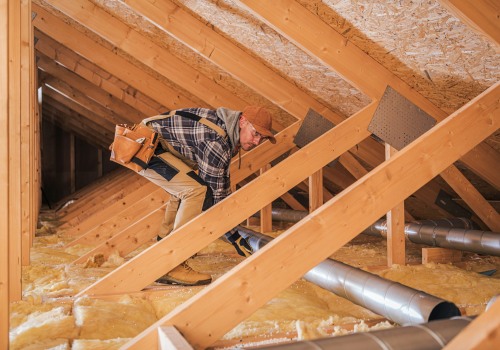
Proper insulation and ventilation in your attic help prevent ice dams by allowing warm air to escape.Inspect your attic insulation and ensure vents are not blocked.
5.Seal Roof Penetrations:
Check areas where pipes, chimneys, or vents penetrate the roof for any gaps or cracks. Use roofing cement or silicone sealant to seal these openings and prevent leaks.6.Remove Snow Accumulation:
After a snowfall, safely remove excess snow from your roof using a roof rake. This helps prevent ice dams from forming, which can lead to severe water damage. By performing these DIY roof maintenance tipsDIY roof maintenance tips, you can help protect your home from winter weather-related issues and ensure your roof remains in good condition throughout the season.Winter preparations for your roof
are not just recommended; they are essential for protecting your home from the harsh elements. Neglecting these preparations can lead to serious risks, including leaks, structural damage, and costly repairs that could have been easily avoided.By understanding the specific needs of your roofing material and conducting thorough inspections, you can identify potential issues before they escalate. Whether you choose to undertake DIY roof maintenance tips or enlist the help of professionals, the key takeaway is to act proactively. Taking these steps now can save you significant amounts of money and prevent headaches down the line. Don’t wait for a winter storm to expose vulnerabilities in your roof—start your winter preparations today!.