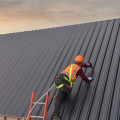
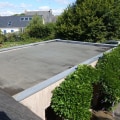
Keeping your home in top shape requires regular attention to all aspects of its maintenance, and one crucial area that often gets overlooked is the roof.
Removing debris from the roof
is not just a matter of aesthetics; it plays a vital role in preserving the integrity and longevity of your roofing system. Over time, leaves, branches, dirt, and other materials can accumulate on your roof, leading to potential damage that could result in costly repairs down the line. Imagine waking up one morning to find that your roof has developed leaks due to clogged gutters or mold growth from trapped moisture beneath layers of debris. These scenarios are all too common for homeowners who neglect the simple yet essential task of maintaining a clean roof.By regularly removing debris from the roof, you can prevent such issues and ensure that your home remains a safe and comfortable haven. In this article, we will guide you through the essential steps for keeping your roof debris-free, helping you protect your investment and maintain the beauty of your home. Whether you're a seasoned DIY enthusiast or a homeowner looking for straightforward tips, our comprehensive guide will equip you with the knowledge necessary to tackle this important task efficiently. Read on to discover how you can keep your roof in pristine condition and avoid unnecessary headaches!Maintaining the integrity of your roof is crucial for ensuring the safety and longevity of your home. One vital aspect of roof maintenance is , helping you protect your investment and maintain the beauty of your home. Whether you're a seasoned DIY enthusiast or a homeowner looking for straightforward tips, our comprehensive guide will equip you with the knowledge necessary to tackle this important task efficiently. Read on to discover how you can keep your roof in pristine condition and avoid unnecessary headaches!Maintaining the integrity of your roof is crucial for ensuring the safety and longevity of your home. One vital aspect of roof maintenance is removing debris from the roof.
Various types of debris can accumulate on roofs, including leaves, twigs, dirt, and algae. Each of these materials poses unique risks to different roofing materials such as shingles, metal, or tiles. For instance, leaves and twigs can trap moisture, leading to water accumulation and potential leaks. On shingle roofs, this moisture can lead to the deterioration of the shingles, allowing water to penetrate and cause damage to the underlying structure.
Similarly, dirt buildup can create an environment conducive to mold growth, which not only affects the roof but can also infiltrate your home’s air quality. Algae, often seen as dark streaks on roofs, particularly affect asphalt shingles and can lead to significant discoloration. If left unchecked, algae can weaken the shingles' protective qualities, resulting in costly repairs or premature roof replacement. Therefore, understanding when it is necessary to remove debris is essential. Seasonal changes often dictate the accumulation of debris on roofs; for example, during fall, leaves from surrounding trees can blanket your roof, necessitating timely removal before winter sets in. Furthermore, after severe weather events such as storms or heavy winds, it’s crucial to inspect your roof for any accumulated debris.
Heavy branches may have fallen or other materials may have been dislodged during these events. Regular inspections and prompt debris removaldebris removal after such occurrences can prevent small issues from escalating into more serious problems. When it comes to practical methods for debris removal, homeowners have options ranging from DIY approaches to hiring professional assistance. For those opting for a DIY method, it’s important to prioritize safety. Using a sturdy ladder with proper footing is essential to avoid falls.
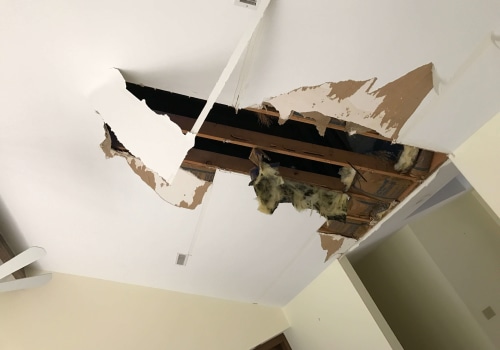
Tools needed for effective cleaning include a leaf blower or a broom specifically designed for roofs, as well as a garden hose for rinsing off any remaining dirt or debris. On the other hand, hiring a contractor can offer expertise and equipment that might not be available to the average homeowner. Professionals are trained in safe ladder use and often have specialized tools that ensure thorough cleaning without damaging the roofing material. They also have experience in spotting potential issues that an untrained eye might miss. The risks involved in neglecting debris removal cannot be overstated. Accumulated debris can lead to water pooling on the roof, increasing the likelihood of leaks and structural damage over time.
This not only affects the roof but can also lead to mold growth within the home, posing health risks to its occupants. Regular maintenance and timely debris removal are beneficial not just for preserving your roof but also for maintaining the overall safety and value of your home. In conclusion, staying proactive about removing debris from the roof through regular inspections and cleanings will ultimately save homeowners from costly repairs and enhance the lifespan of their roofing systems.
When to Hire a Professional
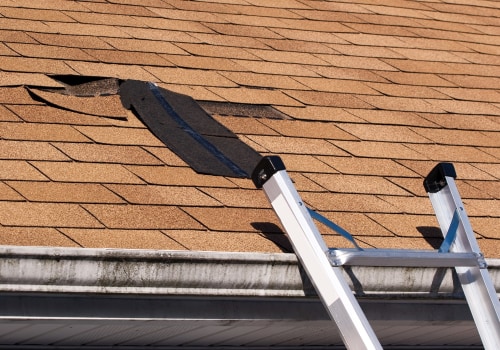
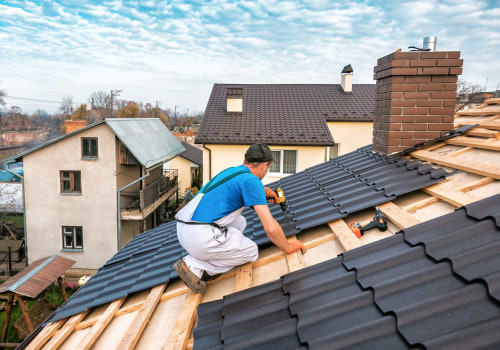
While removing debris from the roof can be a straightforward task for some homeowners, there are specific scenarios where hiring a professional roofing contractor is advisable. One of the primary considerations is safety. Climbing onto a roof can be dangerous, especially for those who are not experienced or lack proper safety equipment.If your roof is steep, high, or has slippery surfaces, it is wise to leave the job to professionals who are trained in safe roofing practices. Another scenario where a professional might be necessary is when there is a significant accumulation of debris. If your roof has large branches, heavy leaves, or other materials that may require specialized equipment for removal, it’s best to consult with experts who can handle the situation efficiently and safely. Additionally, if you notice signs of damage while inspecting your roof, such as missing shingles or leaks, it’s time to call in a professional. They can assess the condition of your roof and determine whether debris removal is needed in conjunction with repairs. Attempting to address these issues yourself may lead to further damage or complications. Lastly, if you lack the time or physical ability to perform this task, hiring a professional can save you effort and ensure that your roof remains well-maintained.
This investment can lead to long-term savings by preventing costly repairs down the line.
Maintaining Your Roof After Cleaning
Once you have successfully removed debris from your roof, ongoing maintenance is crucial to ensure its longevity and performance. Regular upkeep not only helps maintain the aesthetic appeal of your home but also protects it from potential damage caused by neglect. First and foremost, conduct routine inspections of your roof at least twice a year. Look for signs of wear and tear, such as cracked shingles, rusted flashing, or loose tiles. Early detection of these issues can prevent more significant problems down the line. Additionally, keep an eye on the surrounding trees.Trimming branches that hang too close to your roof can help minimize debris accumulation, especially during stormy weather or seasonal changes. This proactive approach can significantly reduce the frequency of cleaning required. Moreover, consider installing gutter guards. These devices can help keep leaves and other debris out of your gutters, ensuring proper drainage and reducing the risk of water pooling on your roof. Proper drainage is essential for preventing mold growth and maintaining the structural integrity of your home. Lastly, don’t forget to clean your gutters regularly.
Clogged gutters can lead to water overflow, which may result in water damage to your roof and home interior. Keeping your gutters clear ensures that rainwater flows away from your roof effectively. By following these tips for ongoing maintenance after debris removal, you can keep your roof in top condition and extend its lifespan, ultimately saving you from costly repairs in the future.
Understanding Roof Debris
Keeping your roof in good condition requires an understanding of the various types of debris that can accumulate and the potential impacts they can have on roofing materials.Roof debris
can come from a variety of sources, including leaves, twigs, dirt, and even animal nests. Each type of debris presents its own set of challenges and risks. One common type of debris is leaves, which can gather in gutters and on the roof surface.When left unchecked, they can trap moisture, leading to water accumulation that may cause mold growth and deterioration of roofing materials. Additionally, the weight of wet leaves can be significant, potentially stressing the roof structure.
Twigs
and branches are another form of debris that can fall from overhanging trees. These can puncture roofing materials or create pathways for water to enter the roof system, exacerbating issues like leaks and rot. Dirt and dust can also settle on roofs, particularly in areas with little rainfall. While they may seem harmless, this accumulation can lead to the growth of algae or moss, which thrive in damp environments.These growths can further trap moisture and damage roofing materials over time. Lastly, animal nests made by birds or rodents can pose significant problems. Not only do they add weight and obstruct drainage systems, but they can also lead to infestations and additional debris as animals come and go. In summary, understanding the types of debris that can accumulate on your roof is crucial for maintaining its integrity. Regular inspection and removal of these materials help prevent costly repairs and ensure the longevity of your roofing system.
DIY Methods for Roof Debris Removal
Cleaning your roof of debris is a crucial step in maintaining its longevity and structural integrity. Fortunately, there are several DIY methods for roof debris removal that homeowners can safely implement.Here, we will outline these methods along with the necessary tools and step-by-step procedures.
1.Gather Necessary Tools:
Before you begin cleaning, ensure you have the right tools at your disposal. You will need a sturdy ladder, a roof rake with a long handle, a broom or leaf blower, a bucket for collecting debris, and safety gear like gloves and goggles.2.Inspect the Roof:
Start by inspecting the roof from the ground to identify areas with significant debris accumulation. Look for leaves, branches, moss, or any other materials that may be present.3.Safety First:
When using a ladder, ensure it is placed on stable ground and at the correct angle. Always have someone else nearby to assist you while you work on the roof.4.Remove Loose Debris:
Use the roof rake to gently pull down leaves and branches from the roof's surface.Start from the edge and work your way up to avoid damaging shingles. For stubborn debris, a broom can be used to sweep it off.
5.Use a Leaf Blower:
For a quicker cleanup, consider using a leaf blower to remove loose debris. This method is efficient and reduces the need for physical labor.6.Inspect Gutters:
After clearing the roof, check your gutters for clogs caused by the debris you just removed. Clear them out to ensure proper water flow and prevent future issues.7.Regular Maintenance:
Make roof cleaning a regular part of your home maintenance routine, especially during fall when leaves are prone to accumulating. By following these Make roof cleaning a regular part of your home maintenance routine, especially during fall when leaves are prone to accumulating. By following these DIY methods for roof debris removal, homeowners can effectively maintain their roofs, preventing potential issues like water accumulation and mold growth that could lead to costly repairs down the line. In conclusion, maintaining a debris-free roof is essential for ensuring the longevity and integrity of your home.We discussed Removing debris from the roof, highlighting its importance in preventing issues such as water accumulation and mold growth. By understanding the types of roof debris, employing DIY methods for roof debris removal, and knowing when to hire a professional, homeowners can effectively protect their roofs. Regular cleaning not only prevents costly repairs but also enhances the overall safety of your home. We encourage you to take action today—whether through DIY methods or enlisting professional help—to ensure your roof remains in optimal condition.