Inspecting Shingles for Signs of Damage is a crucial task for any homeowner or property manager looking to maintain the integrity of their roof. The roof is not just a protective covering; it is a vital component of your home’s structure that safeguards everything beneath it from the elements. Over time, however, exposure to harsh weather conditions, debris accumulation, and general wear and tear can lead to significant damage that may go unnoticed until it becomes a costly problem. Understanding how to effectively check shingles for damage can save you time, money, and headaches down the road. Whether you are preparing for the changing seasons or conducting routine maintenance, knowing what signs to look for is essential.
From missing or curling shingles to discoloration and granule loss, these indicators can reveal the health of your roof and signal when it’s time to take action. In this article, we will guide you through the essential steps and tips for inspecting your shingles thoroughly. We will cover common signs of damage, how to assess the condition of your roofing materials, and when it might be necessary to call in a professional. Armed with this knowledge, you can ensure your roof remains in peak condition, protecting your home and enhancing its curb appeal. So grab your ladder and safety gear—let’s dive into the world of roof inspection!Inspecting your roof shingles regularly is essential for maintaining the integrity of your home. From missing or curling shingles to discoloration and granule loss, these indicators can reveal the health of your roof and signal when it’s time to take action. In this article, we will guide you through the essential steps and tips for inspecting your shingles thoroughly. We will cover common signs of damage, how to assess the condition of your roofing materials, and when it might be necessary to call in a professional. Armed with this knowledge, you can ensure your roof remains in peak condition, protecting your home and enhancing its curb appeal. So grab your ladder and safety gear—let’s dive into the world of roof inspection!Inspecting your roof shingles regularly is essential for maintaining the integrity of your home.
Checking shingles for damage
helps to identify potential issues before they escalate into costly repairs.The key steps for inspecting shingles include looking for signs such as curling, cracking, missing shingles, and discoloration. Each of these indicators can signify underlying problems that, if left unaddressed, can lead to significant water damage and structural issues. There are various types of shingles available today, including asphalt, wood, and metal. Each type has its own characteristics that affect durability and maintenance requirements. For instance, asphalt shingles are popular due to their affordability and ease of installation but may be prone to cracking and curling in extreme weather conditions.
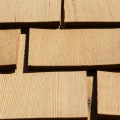
Wood shingles offer a natural aesthetic but can be susceptible to rot and insect damage if not properly maintained. Metal shingles, while durable and long-lasting, may require specific considerations during inspections, such as checking for rust or loose fasteners. Understanding the specific vulnerabilities of each shingle type can aid in more effective inspections. The benefits of hiring a professional for shingle inspections versus conducting DIY assessments are worth considering. Professionals have the experience and tools necessary to thoroughly evaluate the condition of your roof.
They can spot subtle signs of damage that an untrained eye might miss. Additionally, safety is a significant factor; climbing onto a roof can be dangerous without the proper equipment and experience. However, DIY inspections can be beneficial as well, particularly for homeowners who are comfortable working at heights and have a keen eye for detail. They can save money on inspection costs while gaining a better understanding of their roof’s condition. Common roofing issues often arise from neglecting checking shingles for damage.
For example, if curling shingles are left unattended, they can lead to leaks during rainstorms, which in turn can cause mold growth and structural damage over time. Similarly, missing or cracked shingles expose the underlying roof deck to the elements, resulting in further degradation. These examples illustrate how small problems can snowball into larger issues if not addressed promptly. Seasonal considerations play a crucial role in maintaining the health of your roof. Weather impacts shingle conditions significantly; for instance, winter weather can cause ice dams that lead to shingle damage, while summer heat may accelerate wear on asphalt shingles. For example, if curling shingles are left unattended, they can lead to leaks during rainstorms, which in turn can cause mold growth and structural damage over time. Similarly, missing or cracked shingles expose the underlying roof deck to the elements, resulting in further degradation. These examples illustrate how small problems can snowball into larger issues if not addressed promptly. Seasonal considerations play a crucial role in maintaining the health of your roof. Weather impacts shingle conditions significantly; for instance, winter weather can cause ice dams that lead to shingle damage, while summer heat may accelerate wear on asphalt shingles.
Therefore, scheduling inspections before severe weather seasons is wise to catch any potential issues early. When discussing DIY methods versus professional help for inspecting shingles, there are valid arguments on both sides. Proponents of DIY inspections argue that homeowners can save money and take control of their home maintenance. They emphasize that with proper research and safety precautions, anyone can learn how to identify common shingle problems. On the other hand, supporters of hiring professionals highlight the peace of mind that comes with expert evaluations.
They point out that professionals not only have the expertise but also carry liability insurance in case of accidents during inspections. In conclusion, whether you choose to conduct your own inspections or hire a professional, regularly checking shingles for damage is vital for ensuring the longevity and effectiveness of your roofing system. Being proactive about roof maintenance can prevent costly repairs down the line and protect your home from the elements.
DIY Inspection Tips
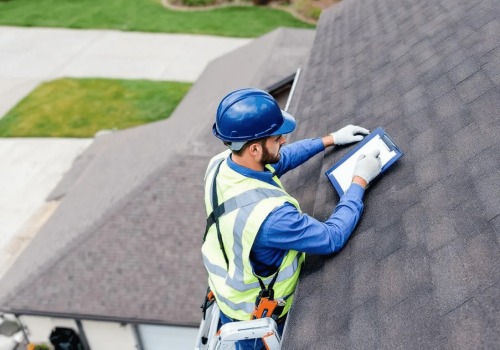
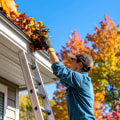
Performing a DIY inspection of your roof shingles can be a straightforward task if you follow some essential safety guidelines and practical tips. First, ensure safety by using a sturdy ladder that extends at least three feet above the roofline. Always have someone with you to hold the ladder steady and assist in case of an emergency. Before climbing up, check the weather conditions.Choose a dry, calm day to prevent slipping on wet surfaces or dealing with strong winds. Additionally, wear appropriate footwear with good traction to enhance your grip while navigating the roof. When on the roof, look for signs of damage. Check for missing, cracked, or curling shingles, as these can indicate wear and tear. Pay attention to granule loss, which may appear as dark patches on the shingles or in the gutters. Inspect the areas around chimneys, vents, and skylights, as these are common points where leaks can occur.
Ensure that flashing is intact and securely fastened to prevent water intrusion. After your inspection, document your findings. Take photographs of any damage or areas of concern to reference later or share with a professional if necessary. Regular DIY inspections can help you stay ahead of potential issues and prolong the life of your roof.
When to Call a Professional
While homeowners can often inspect their shingles for visible signs of damage, there are certain scenarios where hiring a professional roofing contractor is advisable.Professional inspections
can provide a comprehensive assessment that an untrained eye may miss.Here are some situations to consider:Severe Weather Events: If your area has experienced severe weather, such as hailstorms or heavy winds, it’s wise to call a professional. These conditions can cause hidden damage that may not be immediately apparent.
Age of the Roof:
If your roof is nearing the end of its lifespan, typically around 20-25 years for asphalt shingles, it’s prudent to consult with a roofing expert. They can assess whether repairs are sufficient or if a full replacement is necessary.Multiple Missing or Damaged Shingles:
If you notice several shingles missing or damaged, it’s best to seek professional help. A contractor can determine if the damage is localized or if there are underlying issues affecting the entire roof.Leaks and Water Damage:
Any sign of water leakage inside your home should prompt an immediate call to a professional.Roof leaks can lead to significant interior damage and mold growth if not addressed quickly.
Complex Roof Designs:
If your roof has multiple slopes, valleys, or features like skylights, it can be more challenging to inspect and repair. A professional will have the experience and tools necessary to handle these complexities safely. In conclusion, while regular inspections can help maintain the health of your roof, knowing when to call in a professional can save you from costly repairs down the line.Types of Roof Shingles
When it comes to roof shingles, homeowners have a variety of materials to choose from, each with its own unique characteristics and maintenance requirements. Understanding these types can help in making informed decisions about installation, inspection, and upkeep.Asphalt shingles
are among the most popular roofing materials due to their affordability and ease of installation. These shingles typically require minimal maintenance; however, they should be inspected regularly for signs of curling, cracking, or loss of granules which can indicate wear and tear.Wood shingles
, often made from cedar or redwood, provide a natural aesthetic but require more attention.They are susceptible to rot, mold, and insect damage, so it is crucial to check for any signs of decay and to ensure proper ventilation to prevent moisture buildup.
Metal roofing
is known for its durability and longevity. While it requires less maintenance than other materials, it is important to inspect for rust or loose seams. Additionally, homeowners should ensure that the fasteners are secure and check for any potential dents caused by hail or falling debris.Slate shingles
offer an elegant appearance and exceptional longevity but come with a higher price tag. Maintenance involves inspecting for cracks or breaks, as damaged slate can lead to leaks.It is also essential to ensure that the underlayment remains intact to support the weight of the slate.
Tile roofing
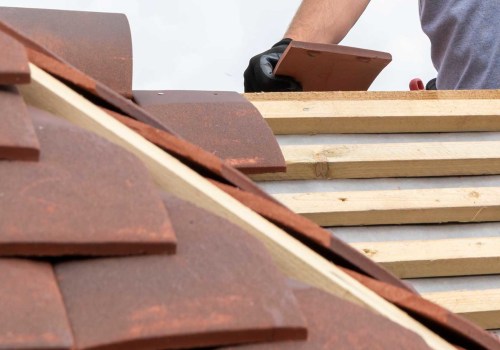
, commonly made from clay or concrete, is both durable and aesthetically pleasing. However, individual tiles can crack or become dislodged, so regular inspections are necessary to identify any damaged tiles that need replacement. In conclusion, understanding the different types of roof shingles available and their specific maintenance needs is vital for preserving the integrity of your roof. Regular inspections tailored to the material type can help prevent costly repairs and extend the lifespan of your roofing system.Signs of Shingle Damage
Regularly inspecting your roof is crucial, as it helps to identify any potential issues before they escalate into costly repairs.Signs of shingle damage
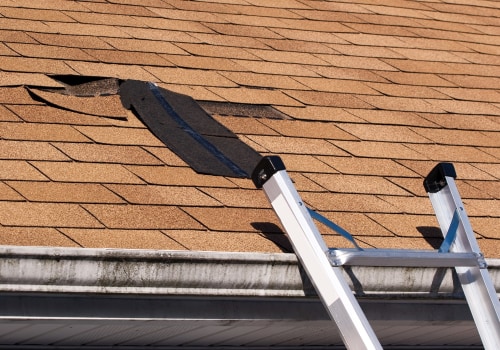
can often be subtle, but knowing what to look for can save homeowners time and money. One of the most common indicators of shingle damage is curling or buckling.This occurs when the edges of the shingles begin to lift or curl upwards, which can happen due to age, improper installation, or exposure to extreme weather conditions. Another sign is missing shingles. If you notice areas where shingles are completely absent, it’s essential to address this issue quickly to prevent water infiltration and further damage to the underlying roof structure. Granule loss is also a significant indicator of shingle damage. Shingles are coated with granules that protect them from UV rays and help with waterproofing. If you find granules in your gutters or notice a change in the color of the shingles, it may suggest that they are deteriorating. Additionally, look for cracks or splits in the shingles.
These can be caused by extreme weather fluctuations or simply wear and tear over time. Cracks can allow water to seep underneath the shingles, leading to leaks and additional damage. Lastly, pay attention to any signs of water stains on your ceilings or walls inside your home. This could indicate that your roof is leaking due to damaged shingles and requires immediate attention. By being vigilant and recognizing these signs of shingle damage, homeowners can take proactive steps to maintain their roofs and ensure their longevity. In conclusion, inspecting shingles for signs of damage is essential for maintaining the integrity of your roof and preventing costly repairs down the line. Regular inspections allow homeowners to identify potential issues early, ensuring that their roof remains in optimal condition for years to come. Throughout this article, we've highlighted the common causes of shingle damage and provided DIY inspection tips, emphasizing the importance of being proactive in roof care.
Knowing when to call a professional can also save you time and money, ensuring that any serious issues are addressed promptly. By staying vigilant and performing routine checks on your roof shingles, you can help extend the lifespan of your roofing system and protect your investment. Remember, a little maintenance goes a long way!.