Congratulations on your new roof! A roof is one of the most crucial components of your home, providing shelter and protection from the elements. However, the excitement of a new roof can quickly turn into concern if proper inspections are not conducted post-installation.
Inspecting your new roof
is essential to ensure that it has been installed correctly and is ready to withstand the challenges of weather and time. In this guide, we will walk you through the key steps to inspecting your new roof, empowering you with the knowledge to identify any potential issues early on. Whether you're a seasoned homeowner or a first-time buyer, understanding how to properly assess your roof can save you time, money, and stress in the long run.From checking for visible defects to ensuring proper ventilation, we’ll cover everything you need to know. Don’t let your investment go unchecked; take the proactive approach to safeguard your home. Dive into our comprehensive guide and equip yourself with the tools needed to ensure your new roof remains in prime condition for years to come!Inspecting your new roof is a crucial step that should not be overlooked. One of the first things to consider is the variety of roofing materials available, each with its own inspection requirements.
Asphalt shingles
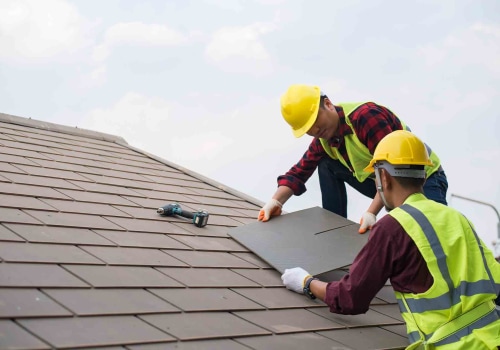
, for example, are popular due to their affordability and ease of installation.When inspecting asphalt shingles, homeowners should look for any loose or missing shingles, as well as signs of curling or cracking, which can indicate poor quality or installation. On the other hand, metal roofs are known for their durability but require careful examination of seams and fasteners to ensure they are secured properly. Inspecting tile roofs is different; homeowners should check for broken tiles and ensure that they are properly aligned and secured to prevent leaks. Another vital aspect of the inspection process is assessing the quality of installation. This includes checking for proper flashing, which is crucial in preventing water intrusion at joints and edges.
Homeowners should inspect areas around chimneys, vents, and valleys to ensure flashing is installed correctly and is in good condition. Additionally, alignment is essential—shingles should be straight and uniform to ensure water runs off correctly without pooling. Proper ventilation is also critical; roofs need adequate airflow to prevent moisture buildup that can lead to mold and deterioration. Homeowners can check ventilation by ensuring that soffit vents are clear and that ridge vents are unobstructed. Hiring reputable roofing contractors is another key consideration during the inspection phase.
When looking for a contractor, ask for references and verify their licensing and insurance. Questions to ask include inquiries about their experience with your specific roofing material, warranties offered, and their process for handling unexpected issues during installation. Be wary of red flags such as contractors who demand full payment upfront or those who pressure you to make quick decisions. To prolong the life of your roof, regular maintenance is essential. This includes scheduling periodic inspections, ideally at least once a year, and after severe weather events.
Cleaning gutters is also a critical maintenance task; clogged gutters can lead to water backing up under shingles and causing leaks. Homeowners should also keep an eye out for overhanging branches that could damage roofing materials during storms. There are several DIY inspection methods homeowners can use to spot issues early before they escalate into significant problems. For instance, using binoculars from the ground level can help you identify missing or damaged shingles without needing to climb onto the roof. Checking your attic for signs of leaks or daylight peeking through the roof boards can also indicate underlying issues that need addressing. Real-life scenarios highlight the importance of timely inspections—there have been instances where homeowners detected a minor leak during an early inspection, allowing them to repair it before it caused extensive damage to their home’s interior.
In another case, a homeowner noticed loose flashing around a chimney during a routine check, prompting them to have it repaired before winter storms could exacerbate the issue. In conclusion, thorough inspections of your new roof are vital in ensuring long-term performance and preventing costly repairs down the line. By understanding the different roofing materials and their specific inspection considerations, assessing installation quality, choosing reputable contractors, maintaining your roof regularly, and employing DIY methods for early detection of issues, you can significantly extend the lifespan of your roof while safeguarding your home.
Hiring the Right Contractor
When it comes to inspecting your new roof, hiring the right contractor is crucial to ensure quality workmanship and materials. The first quality to look for in a roofing contractor is experience. A contractor with several years in the business will have the knowledge necessary to identify potential issues before they arise. Another important quality is licensing and insurance.Always verify that your contractor has the appropriate licenses for your area and carries liability insurance and workers' compensation. This protects you from liability should an accident occur during the roofing process. Next, consider their reputation. Look for online reviews and ask for references from previous clients. A reputable contractor will have positive feedback and be willing to provide you with a list of satisfied customers. Additionally, communication is key.
A reliable contractor should be responsive to your questions and concerns, keeping you informed throughout the inspection and installation processes. Finally, obtain multiple quotes before making a decision. This not only helps you understand the market rate but also gives you a chance to compare the services offered by different contractors. Remember, the cheapest option may not always be the best choice.
Understanding Different Roofing Materials
When inspecting your new roof, it is essential to understand the different types of roofing materials used in construction. Each material has unique characteristics and requires specific inspection techniques to ensure durability and performance.Asphalt Shingles
are among the most common roofing materials due to their affordability and ease of installation.During your inspection, check for any curling or cracking, which can indicate poor installation or aging. Ensure that shingles are properly aligned and that there are no missing pieces.
Metal Roofing
is known for its longevity and resistance to extreme weather. Inspect for signs of rust or corrosion, especially around seams and fasteners. Ensure that the metal panels are securely fastened and that there are no loose edges.Tile Roofing
, often made from clay or concrete, offers a distinctive aesthetic but can be heavy.Check for any broken or cracked tiles, which can lead to leaks. Ensure that the underlayment is intact and that tiles are properly interlocked to prevent water infiltration.
Wood Shakes or Shingles
provide a natural look but require more maintenance. Inspect for signs of rot, mold, or insect damage. Ensure that the shingles are evenly spaced and that there is adequate ventilation to prevent moisture buildup.Slate Roofing
is highly durable but can be expensive.During inspection, look for cracked or broken slates and ensure that they are properly secured. Check for any loose nails or fasteners that could compromise the roof’s integrity. By understanding these different roofing materials and their specific characteristics, you can conduct a thorough inspection of your new roof, ensuring it meets quality standards and remains in good condition for years to come.
DIY Inspection Techniques
Inspecting your new roof doesn’t have to be a daunting task. With some basic DIY inspection techniques, homeowners can effectively assess the condition of their roofs shortly after installation. This proactive approach not only helps identify potential issues but also assures you that the installation was completed correctly.1.Visual Inspection
: Start by conducting a thorough visual inspection from the ground.Use binoculars to get a closer look at the shingles and overall structure. Look for any obvious signs of damage, such as missing or broken shingles, and check for unevenness that might indicate poor installation.
2.Check for Debris
: Ensure that there is no debris, such as leaves or branches, on your roof. Accumulated debris can trap moisture, leading to potential leaks and mold growth. If you notice any debris, carefully remove it using a broom or a soft brush.3.Examine Flashing and Seals
: Pay close attention to the flashing around chimneys, vents, and skylights.Properly installed flashing should be tight and sealed to prevent water penetration. Look for any gaps or signs of rust that could indicate poor sealing.
4.Inspect Gutters
: Check your gutters for shingle granules, which can indicate wear and tear on your roof. Clogged gutters can lead to water pooling on the roof and subsequent leaks, so ensure they are clean and free-flowing.5.Look for Signs of Leaks
: Inside your home, check for any discoloration or damp spots on ceilings and walls, especially in areas directly below the roof. These could be early signs of leaks that need immediate attention. By employing these simple DIY inspection techniques, you can ensure your new roof remains in excellent condition and catch any potential issues early on.Maintenance Tips for Longevity
Maintaining your roof is essential for ensuring its longevity and performance.Here are some actionable steps homeowners can take to keep their roofs in top condition.
Regular Inspections
: Schedule regular inspections at least twice a year, ideally in the spring and fall. During these inspections, look for signs of damage such as missing shingles, cracks, or sagging areas. Early detection of issues can save you from costly repairs down the line.Clean Gutters
: Ensure that your gutters and downspouts are free of debris. Clogged gutters can lead to water pooling on your roof, which increases the risk of leaks and water damage.Aim to clean them at least twice a year or more frequently if you have overhanging trees.
Trim Overhanging Branches
: If you have trees near your home, regularly trim any branches that hang over your roof. This prevents potential damage from falling limbs and reduces leaf buildup in your gutters.Check for Moss and Algae
: Roofs in shaded areas can develop moss or algae, which can trap moisture and lead to deterioration. If you notice growth, use a roof-safe cleaner or hire a professional to treat it. Regularly cleaning your roof can help prevent these issues.Inspect Flashing and Seals
: Pay attention to the flashing around chimneys, vents, and skylights.These areas are prone to leaks if not properly sealed. Inspect the seals for any cracks or gaps and apply caulking as needed.
Address Repairs Promptly
: If you notice any minor repairs needed during your inspections, address them immediately. Ignoring small issues can lead to larger, more expensive problems later on. By following these maintenance tips, homeowners can extend the life of their new roof and ensure it continues to protect their home effectively. In conclusion, inspecting your new roof is a critical step that should not be overlooked. By understanding different roofing materials and hiring the right contractor, homeowners can significantly reduce the risk of issues arising.Regular inspections and maintenance are essential for identifying potential problems early, thereby safeguarding your investment in a new roof. Furthermore, utilizing DIY inspection techniques can empower homeowners to take charge of their roofing care. By being proactive and vigilant, you can ensure the longevity of your roof and avoid costly repairs in the future. Remember, a well-maintained roof not only protects your home but also enhances its overall value.