When it comes to roofing projects, the key to a successful installation lies not just in the quality of materials or the expertise of your contractor, but also in how well you prepare your home for the big day.
Preparing your home for installation day
is an essential part of the process that can significantly impact the efficiency and outcome of your roof installation. Without proper preparation, you might find yourself facing unexpected challenges that could lead to delays or complications. In this comprehensive guide, we will walk you through essential steps for a smooth roof installation, ensuring that your home is ready and conducive for the work ahead. Whether you are a first-time homeowner or have navigated roof installations before, understanding the preparatory measures can help create a seamless experience for both you and your roofing team. From clearing the area around your home to securing valuable items indoors, every little detail counts.Let’s dive into the crucial steps you need to take to ensure that your installation day goes off without a hitch, allowing you to enjoy a newly installed roof with peace of mind. When it comes to preparing your home for installation day, understanding the significance of thorough preparation cannot be overstated. A well-prepared environment not only ensures a smoother installation process but also minimizes disruptions and enhances the overall experience of getting a new roof. The excitement of this home improvement project can be amplified when you take proactive steps to ensure everything is in place for a successful outcome. One of the key areas to focus on is clearing the area around your home. This means moving vehicles, outdoor furniture, and any decorations that might obstruct access or pose a hazard for the workers.
A clear workspace allows contractors to operate efficiently and safely, reducing the risk of accidents. It’s also wise to inform your neighbors about the upcoming installation, as they may appreciate being forewarned about the potential noise and disruption. Effective communication with your contractors regarding timelines and expectations is crucial. Before installation day, have a detailed conversation about the schedule, including start times and any potential delays that could arise. Establishing a solid line of communication will help ensure everyone is on the same page and can address any concerns or questions promptly. Weather can play a significant role in the success of your roof installation, so it’s essential to consider potential weather conditions that might affect the schedule.
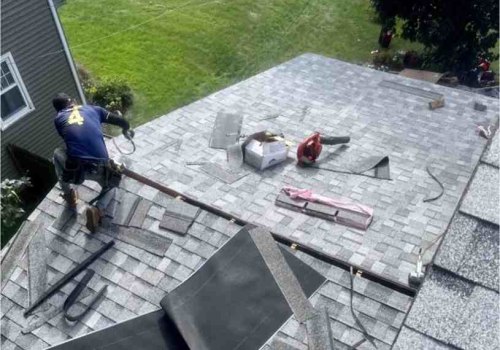
Rain, high winds, or extreme temperatures can delay the installation process or even make it unsafe for workers to proceed. Keep an eye on the weather forecast leading up to installation day and maintain an open dialogue with your contractors about how weather conditions might impact their plans. Understanding the roofing materials being used is another vital aspect of preparing your home for installation day. Different roofing types come with specific preparation requirements. For example, if you are installing asphalt shingles, you may need to ensure that your roof deck is in good condition and free of debris.
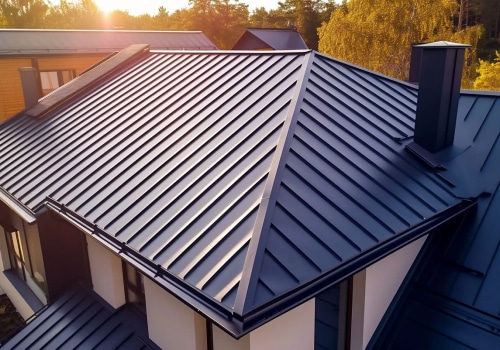
On the other hand, metal roofing installations may require additional structural support or specific underlayment to accommodate the unique characteristics of metal materials. Be sure to discuss these details with your contractor to understand what preparations are necessary for your specific roofing choice. Homeowners should also be aware of any necessary permits or regulations that may apply before installation begins. Depending on your location, there might be building codes or homeowner association rules that govern roofing projects. Securing the proper permits not only ensures compliance but also helps avoid any potential fines or legal issues down the road. Safety is paramount during any construction project, including roofing installations.
It's important to address any safety concerns that may arise for both the workers and residents. Ensure that children and pets are kept at a safe distance from the work area to avoid accidents. Additionally, discuss with your contractor what safety measures they will implement to protect their crew and your property during the installation process. Lastly, be prepared for potential noise and disruption during the installation. Roofing projects can be loud, with hammering, sawing, and other construction noises likely to occur throughout the day.
Consider planning activities that can help minimize inconvenience during this time, such as scheduling outings or finding ways to stay occupied in another part of your home. By focusing on these key areas when preparing your home for installation day, you can contribute significantly to a successful roofing experience. Taking these proactive steps not only facilitates an efficient installation process but also enhances your overall satisfaction as you look forward to enjoying your new roof.
Communicating with Your Contractor
Effective communication with your contractor is a crucial step in preparing your home for installation day. Setting clear expectations can significantly impact the overall experience of your roof installation. Begin by discussing the anticipated timeline for the project.Understanding when the work will start and how long it is expected to take helps you plan accordingly, minimizing disruptions to your daily life. Equally important is clarifying responsibilities. Ensure that both you and your contractor have a mutual understanding of what is expected from each party. This includes discussing who will be responsible for obtaining necessary permits, handling debris removal, and addressing any unforeseen issues that may arise during the installation process. By defining these roles clearly, you can avoid confusion and ensure a smoother workflow. Moreover, maintaining open lines of communication throughout the project allows you to stay informed about any changes or updates regarding the installation.
Regular check-ins can help you feel more involved and make it easier to address any concerns promptly. By prioritizing communication with your contractor, you set the stage for a successful roof installation that meets your expectations.
Preparing Your Outdoor Space
When it comes to preparing your home for installation day, one of the most crucial steps is to focus on your outdoor space. A well-prepared outdoor area not only facilitates easier access for the installation crew but also ensures that your property remains safe and undisturbed during the roofing process. Start by clearing your driveways of any vehicles, tools, or obstacles. This will allow the roofing team to park their trucks and bring in necessary materials without delay.A clear path is essential for transporting shingles and equipment to and from your home. Next, take a look at your gardens and patios. If you have any delicate plants or outdoor furniture in close proximity to your home, consider relocating them temporarily. This will protect them from potential damage caused by falling debris or heavy foot traffic. Additionally, covering plants with tarps can provide extra protection against dust and debris. By proactively managing your outdoor space, you not only create a more efficient work environment for the installation team but also enhance your overall experience.
The excitement of getting a new roof can be amplified by knowing that everything is in place for a smooth installation process.
Weather Considerations
Weather plays a crucial role in the success of your roof installation. Adverse conditions can not only delay the project but can also affect the quality of the work being performed. It's essential to be aware of how different weather conditions can impact the installation process. Rain, snow, and high winds are among the most common unfavorable weather conditions that can hinder a roof installation. For instance, heavy rain can lead to slippery surfaces and increase the risk of accidents for the installation crew.It can also prevent roofing materials from adhering properly, which may compromise the integrity of your new roof. In addition to precipitation, extreme temperatures can also pose challenges. Very high temperatures can cause materials like shingles to become too pliable, leading to improper sealing, while freezing temperatures can hinder the application of certain roofing materials. Therefore, it is vital to schedule your installation during a season when weather conditions are typically stable. If you find that conditions are unfavorable on the scheduled installation day, it's important to communicate with your roofing contractor. They will assess the situation and may recommend postponing the installation to ensure safety and quality.
This proactive approach will ultimately save you from potential headaches down the road. Remember, while the excitement of getting a new roof is palpable, ensuring that the installation takes place under suitable weather conditions is key to achieving a successful outcome.
Understanding Your Roofing Materials
When it comes to roof installation, understanding your roofing materials is crucial. Different materials come with their own unique characteristics, benefits, and installation requirements that can affect the overall process. Being informed about these options helps homeowners make the best choice for their specific needs.Asphalt shingles
are one of the most popular roofing options due to their affordability and ease of installation. They require a solid underlayment for proper drainage and protection against moisture.On installation day, it's essential to ensure that the roof decking is in good condition, as this will provide the necessary support for the shingles.
Metal roofing
is another excellent choice, known for its durability and longevity. However, metal roofs require specific fasteners and installation techniques to prevent leaks and ensure a secure fit. On installation day, it is vital to have all the necessary tools and materials prepared, including any insulation or underlayment needed for optimal performance.Tile roofing
, often used in warmer climates, offers a unique aesthetic appeal and excellent thermal properties. However, tile is heavier than other materials, which means that your roofing structure must be adequately reinforced to handle the weight.During installation, contractors must carefully lay the tiles to prevent cracking and ensure proper alignment.
Wood shakes
or shingles provide a natural look but require more maintenance than other options. Proper ventilation is crucial to avoid moisture buildup, which can lead to rot. On installation day, it's important to ensure that the wood is treated and inspected for quality, as well as prepared for any potential weather-related challenges. By understanding the different types of roofing materials available and their specific requirements on installation day, homeowners can take proactive steps to facilitate a smoother installation process. This preparation not only minimizes disruptions but also enhances the overall experience of getting a new roof.Safety Tips for Homeowners and Workers
Ensuring safety during a roof installation is paramount for both homeowners and the workers involved in the project.Safety tips not only protect individuals but also contribute to a more efficient installation process. Here are some essential safety tips to keep in mind:1.Clear the Area: Before the installation begins, ensure that the area around your home is clear of any obstacles. Move vehicles, patio furniture, and garden decorations to prevent any accidental damage or tripping hazards.
2.Secure Pets and Children:
Keep pets and children indoors or in a safe distance away from the work area. The noise and activity can be overwhelming for them, and keeping them away ensures their safety.3.Use Proper Safety Gear:
Ensure that the roofing crew is equipped with appropriate safety gear, including helmets, harnesses, and non-slip footwear.If you are planning to observe the work, consider wearing similar protective gear.
4.Communicate with Your Roofing Team:
Establish clear communication with the roofing team regarding safety protocols. Discuss any concerns you may have and ensure that everyone is on the same page about safety practices.5.Monitor Weather Conditions:
Be aware of weather conditions that could affect safety during the installation. Rain, high winds, or extreme heat can create hazardous situations. It’s best to postpone work if conditions are unsafe.6.Avoid Climbing on the Roof Yourself:
While it may be tempting to check on progress, refrain from climbing onto the roof during installation.Leave this to the professionals who are trained and equipped to handle such tasks safely. By following these safety tips, you can help create a secure environment for both your family and the workers, contributing to a smooth roofing experience.
Preparing your home for installation day
is a vital step that can significantly impact the overall success of your roofing project. By taking the time to prepare your outdoor space, communicate with your contractor, and understand your roofing materials, you lay the groundwork for a smoother installation process. Additionally, being mindful of weather considerations and following essential safety tips for homeowners and workers not only ensures the safety of everyone involved but also minimizes potential disruptions. The excitement of a new roof shouldn't be overshadowed by avoidable complications. By proactively addressing these preparation steps, you enhance not only the efficiency of the installation but also your overall experience.Remember, a well-prepared environment translates to a successful roofing project, so take these steps seriously and enjoy the benefits of your new roof!.