When it comes to maintaining the integrity of your home, gutters and drainage systemsgutters and drainage systems play a crucial yet often overlooked role. These essential components work tirelessly to channel rainwater away from your roof and foundation, preventing potential damage that can lead to costly repairs down the line. As a homeowner, understanding the intricacies of these systems is vital for ensuring the longevity and safety of your property. In this article, we will delve into the significance of examining gutters and drainage systems as part of your regular home maintenance routine. From identifying common issues such as clogs and leaks to recognizing the importance of proper installation and upkeep, we aim to equip you with the knowledge needed to protect your investment.
Whether you're preparing for a seasonal inspection or simply looking to enhance your home's defenses against water damage, our comprehensive guide will illuminate the key aspects of these vital structures. Join us as we explore the various types of gutters and drainage solutions available, their functionality, and best practices for maintaining them. By the end of this article, you'll have a clearer understanding of how to keep your roof's drainage system in optimal condition, ensuring peace of mind and safeguarding your home from the elements. The importance of gutters and drainage systems in protecting a home cannot be overstated. These systems play a crucial role in managing rainwater, ensuring it flows away from the roof and foundation of your house. By doing so, they help prevent water damage, mold growth, and deterioration of the structural integrity of the building.
Homeowners who understand these systems are better equipped to maintain their roofs effectively and avoid costly repairs. Gutters are typically made from various materials, including aluminum, vinyl, steel, and copper. Each type has its own advantages and disadvantages. For example, aluminum gutters are lightweight and resistant to rust, making them a popular choice among homeowners. Vinyl gutters are affordable and easy to install but may not withstand extreme temperatures.
Steel gutters offer durability but can be prone to rust if not properly maintained. Copper gutters provide a unique aesthetic appeal but come with a higher price tag. In addition to gutters, downspouts are essential components of the drainage system. They direct water from the gutters down to the ground or into a drainage system. Proper placement of downspouts is critical; they should be positioned away from the foundation to prevent water pooling around it.
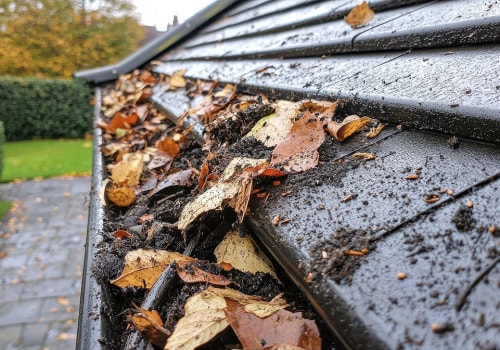
Furthermore, drainage pipes can be integrated into the system to channel excess rainwater away from the property, further minimizing the risk of water damage. The way these components work together is vital for effective water management. When rain falls on your roof, it flows into the gutters, which then directs it through the downspouts and into the drainage pipes or away from the foundation. This process prevents water from pooling around your home, reducing the risk of erosion and foundation issues. Regular inspections of your gutters are essential for maintaining their functionality. Homeowners should look for clogs caused by leaves and debris that can block water flow.
Signs of wear, such as rust spots or cracks in the gutter material, should also be monitored closely. Additionally, checking for leaks at joints and seams is crucial to ensure that water is not escaping where it shouldn’t.DIY maintenance methods can help keep your gutters in good condition without needing professional assistance for every issue. Cleaning out debris is an essential part of this maintenance; using a ladder safely to reach the gutters is vital to avoid accidents. Homeowners should also ensure that the gutters have a proper slope—ideally about a quarter-inch drop for every ten feet—to allow water to flow freely towards the downspouts. While DIY maintenance is often sufficient for minor issues, there are situations where hiring a professional is necessary.
Complex repairs, such as replacing sections of gutter or installing new drainage systems, require specialized knowledge and tools that most homeowners may not possess. When choosing a contractor for these tasks, it's important to seek out licensed professionals with good reviews and experience in gutter installation and repair. Common gutter problems include sagging gutters, which can result from inadequate support or excessive weight from debris buildup. Solutions may involve adjusting hangers or adding additional supports to ensure proper alignment. Another frequent issue is overflowing gutters during heavy rains, often caused by clogs or insufficient capacity.
In these cases, cleaning out the debris or upgrading to larger gutters may be appropriate. The debate between DIY versus professional help is ongoing among homeowners. For simple tasks like cleaning and inspections, DIY methods can save money and provide valuable hands-on experience. However, for more complex issues requiring technical skill or when safety is a concern—like working on steep roofs or dealing with extensive damage—it's wise to consult a professional. Understanding gutters and drainage systems is essential for every homeowner looking to protect their property effectively. By knowing how these systems function and recognizing when to intervene with maintenance or seek professional assistance, you can safeguard your home against potential water damage and maintain its overall health.
Importance of Proper Drainage
Proper drainage is vital for maintaining the longevity of your roof and ensuring the structural integrity of your home.When rainwater is not effectively channeled away from the roof, it can lead to a series of detrimental consequences. For instance, standing water on the roof can increase the weight load, potentially causing sagging and structural stress over time. Moreover, poor drainage systems often result in water pooling around the foundation of the house. This can lead to water damage in the basement or crawl spaces, compromising the foundation and causing costly repairs. For example, a home with inadequate drainage may experience cracks in its foundation due to hydrostatic pressure from accumulated water. Additionally, clogged gutters and downspouts can cause water to overflow, leading to erosion of landscaping and damage to walkways.
Without proper drainage, the risk of mold growth increases, which can pose health hazards for residents. In contrast, a well-designed drainage system effectively directs water away from vulnerable areas, protecting both the roof and the foundation. Regular maintenance, such as cleaning gutters and ensuring downspouts are clear, is essential for preventing these issues and prolonging the life of your roofing system.
Types of Gutter Systems
When examining gutters and drainage systems, it is essential to understand the various types of gutter systems available to homeowners. Each type has its unique features, advantages, and disadvantages. This knowledge will empower you to make informed decisions about which system best suits your home’s needs. One of the most common types is the K-style gutter.This system has a flat bottom and back with a decorative front that resembles a crown molding. The K-style gutter can hold more water than other designs, making it suitable for homes in areas with heavy rainfall. However, its installation can be more complicated, and it may require regular maintenance to prevent clogs. Another popular choice is the half-round gutter. This design features a semi-circular shape that is often seen in historic homes.
Its rounded shape allows for efficient water flow, reducing the chances of clogging. However, half-round gutters may not be as effective in handling large volumes of water as K-style gutters and typically require additional brackets for support.
Seamless gutters
are another option that many homeowners consider. As the name suggests, these gutters are made from a single piece of material, eliminating seams that can lead to leaks. Seamless gutters are custom-fabricated on-site to fit your home perfectly, which enhances their effectiveness in managing water runoff.The downside is that they can be more expensive to install compared to traditional gutter systems. In summary, understanding the different types of gutter systems—K-style, half-round, and seamless gutters—is crucial for homeowners. Each type offers unique benefits and drawbacks, so it's essential to consider your home's specific needs and local weather conditions when making a choice.
When to Hire a Professional
Understanding when to hire a professional for your gutters and drainage systems is crucial to ensuring your home remains protected from water damage.Extensive repairs
or new installations are two primary scenarios where enlisting the expertise of a roofing contractor becomes necessary. If you notice significant issues such as persistent leaks, sagging gutters, or extensive corrosion, these may indicate that professional intervention is required.Ignoring these signs can lead to further damage, not only to the gutters themselves but also to your roof and foundation. Additionally, if you are considering a new installation, it is wise to consult with a professional. They possess the knowledge and experience to assess your home’s specific needs and recommend the best solutions tailored to your roof's design and your local climate conditions. A professional can also ensure that all installations meet local building codes and regulations, providing peace of mind that the job is done correctly. When selecting a reputable contractor, consider asking for recommendations from friends or family, checking online reviews, and verifying credentials. Ensure that any contractor you hire has the necessary licensing and insurance to protect you from potential liabilities.
It’s also beneficial to obtain multiple quotes to compare services and pricing before making a decision. By doing your due diligence, you can find a trustworthy professional who will help maintain the integrity of your gutters and drainage systems.
DIY Gutter Maintenance Tips
Maintaining your gutters is essential for ensuring that they function properly and protect your home from water damage. Here are some practical tips for homeowners on how to keep your gutters in top shape:1.Regular Cleaning: It is recommended to clean your gutters at least twice a year, ideally in the spring and fall. During these cleanings, remove leaves, twigs, and other debris that can clog the system.Use a sturdy ladder and wear gloves to protect your hands.
2.Use the Right Tools:
A small scoop or garden trowel can be effective for removing debris. A hose with a spray nozzle can help flush out any remaining dirt and small particles. For tough clogs, consider using a plumber's snake.3.Inspect for Damage:
While cleaning, take the time to inspect your gutters for any signs of damage, such as rust, cracks, or sagging. If you notice any issues, address them promptly to avoid more extensive repairs down the line.4.Check Downspouts:
Ensure that downspouts are clear and direct water away from the foundation of your home.You can test this by running water through them and observing where it flows.
5.Install Gutter Guards:
Consider installing gutter guards to minimize debris buildup. These can reduce the frequency of cleaning and help maintain the flow of water.6.Schedule Professional Inspections:
If you're uncomfortable performing maintenance yourself, or if you have a multi-story home, consider hiring a professional for an annual inspection. They can ensure everything is functioning correctly and address any issues safely. By following these gutter maintenance tips, homeowners can prolong the lifespan of their gutters and contribute to the overall health of their roofing system. In conclusion, the discussion on gutters and drainage systems has highlighted their essential role in safeguarding your home from potential water damage. By understanding the various types of gutter systems, recognizing the importance of proper drainage, and applying DIY gutter maintenance tips, homeowners can significantly enhance their roof's longevity.Furthermore, knowing when to hire a professional ensures that any issues are addressed promptly, maintaining the integrity of your roof and foundation. Regular inspections of your gutters and drainage systems are vital for early detection of problems that could lead to costly repairs. By prioritizing these inspections, you contribute to the overall health of your roofing system and protect your investment in your home. Ultimately, being proactive about your home's drainage can lead to a safer and more secure living environment for you and your family.