As a homeowner, ensuring the integrity of your property is paramount, and one of the most critical aspects often overlooked is the roof.
Signs of roof damage
can manifest in various ways, and understanding how to identify these indicators is essential for maintaining a safe and secure home. Ignoring these signs can lead to costly repairs, or worse, compromise the safety of your family. Roofs are subjected to harsh environmental conditions, from heavy rain and snow to intense sunlight and winds. Over time, even the sturdiest roofs can show wear and tear.This article aims to enlighten homeowners about the signs of roof damage they should be vigilant for, enabling them to take proactive measures before minor issues escalate into major problems. Whether you’re preparing for a seasonal check or suspecting potential damage after a storm, recognizing the early warning signs can save you time, money, and stress. Stay with us as we delve into the various indicators that your roof may need attention, ensuring that your home remains a safe haven for you and your loved ones. Homeowners often overlook the significance of a well-maintained roof, yet it serves as the first line of defense against environmental elements. Neglecting routine maintenance can lead to severe issues and costly repairs down the line. Understanding the signs of roof damage is crucial for every homeowner, as early detection can save time, money, and stress. One of the most noticeable indicators of roof damage is the presence of leaks.
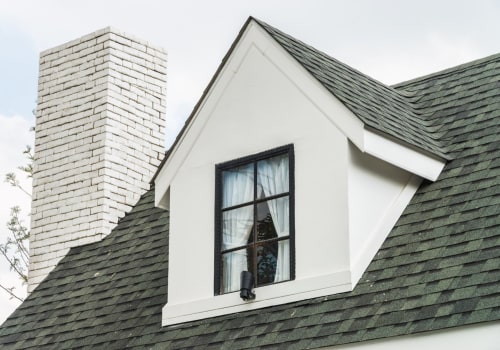
Water stains on ceilings or walls are often the first signs that something is amiss. If you notice brownish spots or peeling paint, these could be signs that water is penetrating your roof. Additionally, missing or damaged shingles can also signify trouble. For roofs with asphalt shingles, look for granules in gutters or at the base of downspouts; this can indicate wear and tear.
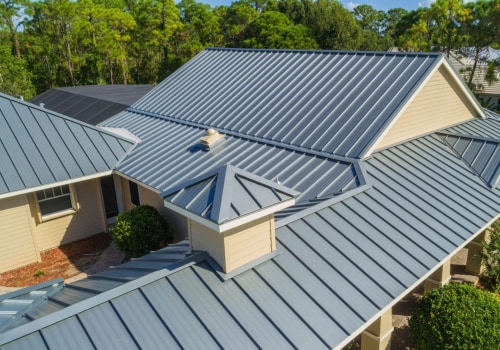
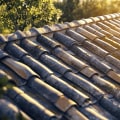
Similarly, if you have a metal roof, inspect for rust spots or dents that could compromise its integrity. For tile roofs, cracked or broken tiles are telltale signs that could lead to leaks if left unaddressed. Discoloration is another key sign of roof damage. Areas that appear darker than others may indicate moisture retention, which can lead to mold growth and further deterioration. This is particularly important for asphalt shingles, which can fade over time but may also darken due to algae growth.
On metal roofs, rusting can present a similar issue, while tile roofs may show discoloration due to moss or lichen build-up. Regular inspections and maintenance are essential in prolonging the life of your roof. Homeowners should aim to inspect their roofs at least twice a year—ideally in spring and fall—and after any major storms. During these inspections, look for any debris accumulation, such as leaves or branches, which can trap moisture and lead to damage. A simple DIY inspection involves checking from the ground with binoculars or using a ladder to get a closer look while ensuring safety precautions are taken. However, some issues may require professional intervention.
If you notice extensive damage—such as sagging areas, widespread leaks, or significant shingle loss—it’s advisable to consult a professional contractor. They possess the expertise to assess the situation accurately and recommend appropriate solutions. Ignoring serious issues can exacerbate problems and lead to more extensive repairs or even a full roof replacement. The consequences of ignoring roof damage can be severe. Consider the case of a homeowner who noticed small leaks but chose to ignore them, thinking they were minor issues.
Over time, those leaks caused structural damage to the home's framing and insulation, resulting in thousands of dollars in repair costs. This example illustrates why vigilance is crucial; what starts as a small problem can quickly escalate into a major financial burden. The topic of DIY repairs versus hiring professionals often sparks debate among homeowners. On one hand, DIY methods can save money and empower homeowners to take charge of their property maintenance. Basic repairs like replacing a few shingles or sealing minor leaks can often be accomplished by those with some handy skills.
However, there are risks involved; improper repairs can worsen existing issues or create new ones. On the other hand, professional contractors bring experience and knowledge that many DIYers lack. They can identify underlying problems that may not be immediately visible to an untrained eye. In cases of extensive damage, hiring a professional ensures that repairs are done correctly and safely. Ultimately, being proactive about identifying signs of roof damage is essential for every homeowner. By understanding what to look for and taking action when necessary—whether through DIY inspections or professional help—you can safeguard your home and ensure its longevity.
When to Call a Roofing Professional
Recognizing signs of roof damage is crucial for maintaining the integrity of your home.However, there are specific situations where it is essential to call a roofing professional. If you notice significant leaks, extensive water damage, or missing shingles, these issues often require expert intervention. Additionally, if your roof is over 20 years old and you see signs of wear and tear, consulting with a professional can help determine if repairs are sufficient or if a replacement is necessary. When choosing a roofing contractor, look for several key factors. First, ensure the contractor is licensed and insured, which protects you from liability and guarantees that they meet industry standards.
Second, check for local reviews and ask for references from past clients to gauge their reliability and quality of work. Also, request detailed estimates that outline the scope of work and materials needed, helping you avoid unexpected costs later on. Finally, good communication is vital. A reputable contractor should be willing to answer your questions and explain the process clearly. Trust your instincts; if something feels off during your interactions, it may be best to seek another contractor.
Understanding Different Roofing Materials
Understanding the unique characteristics of different roofing materials is essential for identifying signs of roof damage.Each type of roof has its own vulnerabilities that can manifest in specific ways when damage occurs.
Asphalt shingles
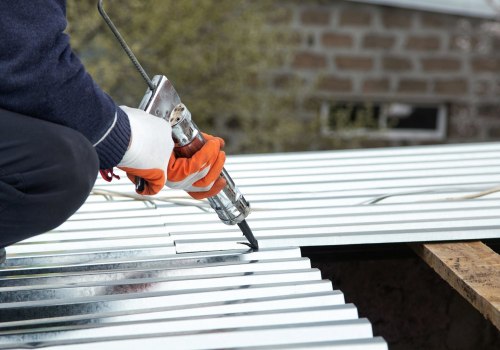
are among the most common roofing materials used in residential homes. They can show signs of damage through curling, cracking, or missing shingles. If you notice granules accumulating in your gutters or at the base of your downspouts, this could indicate that your asphalt shingles are deteriorating and may need replacement. On the other hand, metal roofs, known for their durability, can still suffer from issues like rust and corrosion. Look for signs of rust spots or leaks where the metal panels overlap.Additionally, if you hear unusual noises, such as rattling or banging during windy conditions, it may suggest that the fasteners securing the panels have loosened.
Tile roofs
offer a distinctive aesthetic but require careful maintenance. Cracked or broken tiles are common signs of damage, often resulting from severe weather conditions. If you observe any tiles that are out of alignment or have shifted positions, this may also indicate potential leaks underneath. In summary, recognizing the specific signs of roof damage associated with various roofing materials can help homeowners take timely action to protect their investment and avoid more extensive repairs in the future.Maintenance Tips for Longevity
To ensure the longevity of your roof, regular maintenance is essential.Inspecting your roof
at least twice a year can help you catch potential issues before they escalate into costly repairs.Look for missing or damaged shingles, as well as signs of wear and tear. A few small repairs can go a long way in preserving the integrity of your roof. Additionally, cleaning gutters regularly is crucial. Clogged gutters can lead to water buildup, causing leaks and structural damage. Make it a habit to clear debris from your gutters and downspouts to ensure proper drainage. Another important aspect of maintenance is trimming overhanging branches.
Trees that are too close to your roof can scrape against shingles during windy conditions, leading to damage. Keeping branches trimmed back will not only protect your roof but also minimize the risk of falling limbs during storms. Finally, consider scheduling a professional roof inspection every few years. A qualified roofer can identify hidden problems that may not be visible during a routine inspection and recommend necessary repairs or maintenance. Investing in these preventive measures will help extend the life of your roof and save you money in the long run. Trees that are too close to your roof can scrape against shingles during windy conditions, leading to damage. Keeping branches trimmed back will not only protect your roof but also minimize the risk of falling limbs during storms. Finally, consider scheduling a professional roof inspection every few years. A qualified roofer can identify hidden problems that may not be visible during a routine inspection and recommend necessary repairs or maintenance. Investing in these preventive measures will help extend the life of your roof and save you money in the long run.
Common Signs of Roof Damage
Homeowners should be vigilant in monitoring their roofs for signs of roof damage.Early detection can prevent minor issues from escalating into major repairs. Here are some common indicators that your roof may be compromised:Leaks are one of the most obvious signs of roof damage. If you notice water stains on your ceilings or walls, this could indicate that water is penetrating your roof. It's essential to investigate the source of the leak as soon as possible.
Sagging
is another critical sign to watch for.A sagging roof can suggest structural issues, potentially due to prolonged exposure to moisture or inadequate support. If you observe any areas of your roof that appear to sag, it's crucial to consult a professional immediately.
Missing shingles
can significantly compromise your roof's integrity. Shingles can be blown off during storms or may simply wear out over time. If you notice any missing shingles, it's important to replace them promptly to prevent water infiltration. Lastly, dark spots on your roof can indicate mold, algae, or even rot.These spots not only affect the appearance of your home but can also lead to further deterioration if left unaddressed. Regular inspections can help catch these issues early and maintain the health of your roof.
Conducting a DIY Roof Inspection
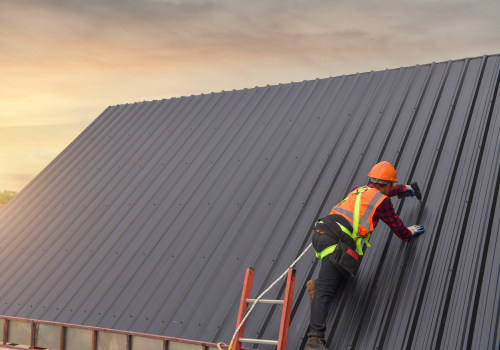
Conducting a DIY roof inspection is an essential step for homeowners to ensure the longevity and integrity of their roofs. A well-maintained roof can prevent costly repairs and improve the overall safety of your home. To begin your inspection, follow these step-by-step instructions:1.Safety First: Before climbing onto your roof, ensure you have the proper safety equipment.Wear non-slip shoes, and consider using a safety harness if you plan to work on a steep slope. Always inspect the weather conditions; avoid inspecting your roof during rain or high winds.
2.Gather Necessary Tools:
Equip yourself with a sturdy ladder, a pair of binoculars, a flashlight, and a notepad for taking notes. A camera can also be helpful to document any damage you find.3.Inspect from the Ground:
Before climbing onto the roof, start your inspection from the ground. Use binoculars to look for obvious signs of damage such as missing shingles, sagging areas, or visible wear around chimneys and vents.4.Use a Ladder Safely:
If it is safe to do so, position your ladder at a 75-degree angle against the roof.Ensure that it is stable before climbing. Only ascend if you feel confident in your ability to maintain balance and safety.
5.Check for Shingle Damage:
Once on the roof, look for damaged or missing shingles. Pay attention to curling, cracking, or granule loss which can indicate significant wear.6.Look for Leaks and Water Damage:
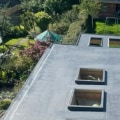
Inspect areas around vents, chimneys, and skylights for signs of leaks. Look for dark spots or stains on the underside of the roof deck in the attic.7.Inspect Flashing and Gutters:
Check the flashing around chimneys and vents for rust or damage.Ensure gutters are clear of debris to prevent water buildup that can lead to roof damage.
8.Document Your Findings:
As you conduct your inspection, take notes and photographs of any issues you encounter. This documentation will be useful if you need to consult with a professional roofer.9.Know When to Call a Professional:
If you find significant damage or feel uncomfortable performing repairs yourself, contact a qualified roofing contractor for an expert evaluation and repair. By following these steps, homeowners can effectively identify potential issues with their roofs early on, allowing for timely maintenance and repair that can save money in the long run. In conclusion, recognizing the signs of roof damage early on is essential for protecting your home and finances. By being proactive in your approach to roof maintenance, you can prevent minor issues from escalating into major repairs that could incur substantial costs. Regular inspections, especially after severe weather, can help you identify potential problems before they worsen.Remember that different roofing materials have unique vulnerabilities, so understanding these can aid in your assessment. If you notice any concerning signs or if your roof requires repairs beyond your expertise, don't hesitate to call a roofing professional. Their expertise can save you time, effort, and money in the long run. Embrace the habit of regular maintenance and stay vigilant in monitoring the condition of your roof to ensure its longevity and effectiveness.