When it comes to maintaining your home, one crucial yet often overlooked aspect is the condition of your roof. A well-maintained roof not only enhances the aesthetic appeal of your property but also protects you and your loved ones from the elements. However, many homeowners are unsure about how to properly assess their roof's condition. This is where understanding how to perform a roof inspection becomes essential. Whether you're preparing for seasonal changes or suspect that your roof may have sustained damage, knowing how to conduct a thorough inspection can save you time, money, and stress in the long run.
In this article, we will guide you through the essential steps for effective roof inspection, empowering you with the knowledge to identify potential issues before they escalate into costly repairs. As part of our ongoing series on roof repair techniquesroof repair techniques and identifying roof damage, this piece is designed to equip you with practical tips and insights. So, grab your ladder and let's dive into the world of roof inspections!Conducting a roof inspection is a crucial task that every homeowner should prioritize. Regular inspections can significantly reduce the likelihood of expensive repairs and prolong the lifespan of your roof. By understanding how to perform a thorough inspection, homeowners can take proactive steps to maintain their roofs and avoid potential issues.
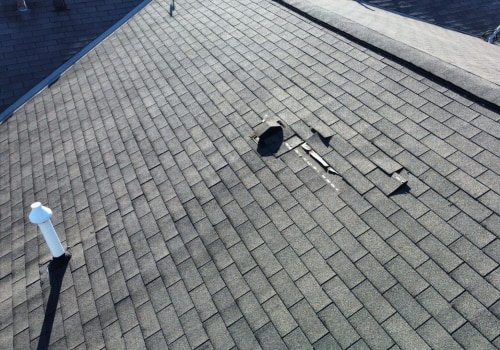
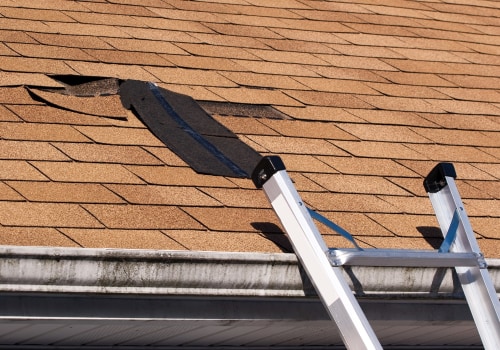
The first step in any roof inspection is to outline the key components that need to be assessed. A visual inspection for damage is essential. This involves looking for missing or broken shingles, cracked tiles, or signs of wear and tear on various roofing materials. Homeowners should also check for leaks by examining the interior of their homes, particularly in areas where the roof meets walls or chimneys.
Water stains, mold, or mildew may indicate a leak that needs to be addressed immediately. Assessing the condition of roofing materials is another critical component of a roof inspection. Different types of roofs require different inspection techniques. For instance, shingle roofs may show signs of curling or granule loss, while metal roofs might develop rust or loose seams.
Flat roofs
, on the other hand, can accumulate standing water and may need a closer look at drainage systems and membrane integrity.Understanding these differences will help homeowners perform a more effective inspection. For those interested in conducting DIY inspections, there are practical tips to ensure safety and accuracy. Using binoculars can allow homeowners to examine their roofs from a safe distance without climbing onto the roof itself. Alternatively, utilizing a drone equipped with a camera can provide a comprehensive view of the roof’s condition from above. These tools can help identify potential issues without exposing homeowners to unnecessary risks. However, there are situations when it is appropriate to call in professionals for a roof inspection.
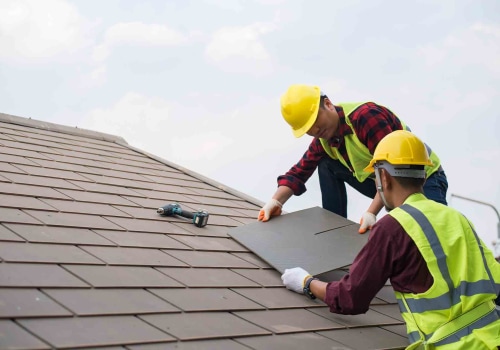
Homeowners should consider hiring a roofing contractor if they identify significant damage or if they feel uncomfortable performing an inspection themselves. It is essential to look for qualified roofing contractors who have relevant experience, proper licensing, and positive reviews from previous clients. This ensures that any inspections or repairs are carried out correctly and safely. During inspections, homeowners often encounter common issues such as blocked gutters, damaged flashing, or loose shingles. Addressing these problems promptly can prevent further damage and increase the roof’s longevity.
For example, regular cleaning of gutters can mitigate water buildup that leads to leaks, while replacing damaged flashing can prevent water infiltration around chimneys and vents. Despite the benefits of DIY inspections, some may argue that professional assessments are more thorough and reliable. While DIY inspections can help identify visible issues early on, they may not catch underlying problems that professionals are trained to detect. For instance, experts can assess structural integrity and diagnose issues related to ventilation or insulation that may not be apparent during a DIY inspection. Ultimately, striking a balance between performing regular DIY checks and knowing when to consult professionals is key to maintaining a healthy roof. In conclusion, understanding how to perform an effective roof inspection is invaluable for homeowners.
By focusing on visual inspections for damage, checking for leaks, assessing the condition of various roofing materials, and knowing when to seek professional help, homeowners can protect their investments and ensure their roofs remain in good condition for years to come.
Maintenance Tips for Longevity
To ensure the longevity of your roof, regular maintenance is key.Routine cleaning
is essential; debris such as leaves, branches, and dirt can trap moisture and lead to damage. Make it a habit to clear your roof of any obstructions at least twice a year, especially in the fall and spring. Inspect your gutters regularly to prevent clogs that can cause water to back up onto the roof. A well-maintained gutter system directs water away from your home, reducing the risk of leaks and structural damage. Another important aspect is to check for shingle damage.Look for missing, cracked, or curling shingles during your inspections. Addressing these issues promptly can prevent more extensive damage and costly repairs. Additionally, pay attention to flashing around chimneys, vents, and skylights. Ensure that the flashing is intact and properly sealed to prevent leaks. If you notice rust or deterioration, it may be time to replace it. Finally, consider trimming any overhanging branches that could scrape against your roof or fall during storms.
This simple step can significantly reduce the risk of physical damage to your roofing materials.
When to Hire a Roofing Professional
While many homeowners can handle minor roof inspections and maintenance tasks, there are specific situations where hiring a professional roofing contractor is essential.Professional help
is necessary when the damage is extensive, such as large leaks, significant structural issues, or the presence of mold and mildew that may indicate underlying problems. Additionally, if your roof has been severely impacted by a storm or natural disaster, it’s crucial to consult a qualified expert who can assess the damage accurately. Another scenario where you should consider hiring a professional is when you lack experience or knowledge about roofing materials and systems.Roofing professionals
possess the expertise to identify issues that may not be visible to the untrained eye, ensuring that nothing is overlooked.If you're unsure about the condition of your roof or how to perform certain repairs safely, it's best to leave it to the experts. Choosing a qualified contractor involves several steps. Start by researching local roofing companies and checking their credentials, including licenses and insurance. Read reviews and ask for references to gauge their reputation. Additionally, ensure that the contractor provides detailed estimates and a clear timeline for the project.
It's also wise to get multiple quotes before making a decision, allowing you to compare services and pricing. In summary, while some roof inspection tasks can be handled independently, knowing when to hire a roofing professional can save you time, money, and potential safety hazards in the long run.
Understanding Different Roof Types
When it comes to roof inspections, understanding the various roofing materials is crucial. Different types of roofs have unique characteristics and specific inspection needs that homeowners should be aware of. This knowledge not only helps in identifying potential issues but also guides homeowners on how to address them effectively.Asphalt shingles
are one of the most common roofing materials. They typically have a lifespan of 15 to 30 years, depending on the quality and installation.During an inspection, look for signs of curling, cracking, or missing shingles, as these can lead to leaks and further damage.
Metal roofs
, known for their durability and longevity, require a different approach. Inspect for rust spots, loose seams, or panels that may have become detached over time. Regular checks can help maintain their integrity and prevent water intrusion.Tile roofs
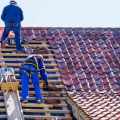
, often made of clay or concrete, are aesthetically pleasing but can be fragile. During inspections, pay attention to cracked or broken tiles, as well as the condition of the underlayment beneath them.Proper maintenance is essential to avoid leaks.
Flat roofs
, commonly found on commercial buildings but also used in residential applications, require special attention due to their design. Inspect for pooling water, membrane tears, and blisters that can develop over time. Regular maintenance can extend the life of flat roofs significantly. Each roofing material has its own inspection needs, and understanding these differences is essential for effective roof care. By familiarizing yourself with the specific requirements of your roof type, you can ensure a thorough inspection and timely repairs when necessary.Common Roofing Problems to Look For
When conducting a roof inspection, it is crucial to identify common roofing problems that may compromise the integrity of your home.Here are some typical issues to look for:Leaky Roofs: One of the most common problems is a leaky roof, which can result from damaged shingles, flashing, or even improper installation. To resolve this issue, identify the source of the leak and either replace damaged shingles or apply roofing sealant to the affected areas.
Damaged Shingles:
Look for cracked, curled, or missing shingles. These can expose your roof to further damage and lead to leaks. Replace any damaged shingles promptly to maintain the roof's protective barrier.Pooling Water:
If you notice standing water on your roof after rain, it may indicate poor drainage.This can lead to structural damage over time. Ensure that gutters and downspouts are clear and functioning properly, and consider adding additional drainage solutions if necessary.
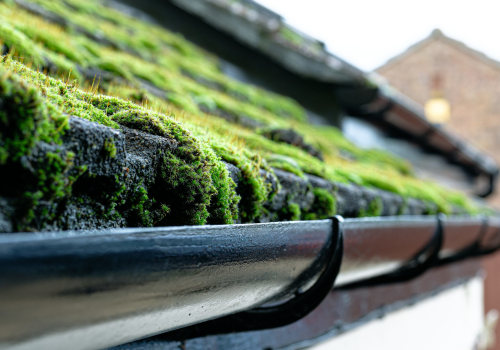
Moss and Algae Growth:
Moss and algae can trap moisture against the roofing material, leading to deterioration. To combat this, use a mixture of water and bleach to clean the affected areas, and consider installing zinc strips along the ridge of the roof to prevent future growth.Flashing Issues:
Flashing is used to direct water away from critical areas such as chimneys and vents. Inspect flashing for rust or damage.Replace or repair any compromised flashing to ensure proper water diversion.
Punctures and Holes:
Inspect for any punctures or holes in the roofing material, which can occur from falling branches or foot traffic. Small holes can often be sealed with roofing cement, but larger punctures may require replacement of the affected section.Ventilation Problems:
Poor ventilation can lead to excessive heat buildup in the attic, causing shingles to wear out faster. Ensure that vents are not blocked and consider adding more ventilation options if necessary. By being aware of these common roofing problems, homeowners can take proactive steps to maintain their roofs and extend their lifespan. Regular inspections are key to identifying these issues early and addressing them effectively.DIY Roof Inspection Techniques
Performing a roof inspection can be a straightforward process if done safely and methodically.Here are the essential steps to carry out a roof inspection on your own:1.Gather Necessary Tools: Before you begin, ensure you have the right tools at hand. You will need a sturdy ladder, a pair of binoculars, a flashlight, and possibly a notepad to take notes during the inspection.
2.Safety First:
Safety should always be your top priority. Make sure to wear appropriate footwear with good grip, and if possible, use a harness for added security when climbing on the roof.3.Inspect from the Ground:
Start your inspection from the ground using binoculars. Look for any obvious signs of damage such as missing shingles, sagging areas, or debris accumulation.4.Access the Roof Safely:
If you find no major issues from the ground, carefully climb your ladder to access the roof.Ensure the ladder is stable and positioned on a flat surface.
5.Check Shingles and Tiles:
Once on the roof, look closely at the shingles or tiles. Look for cracks, curling edges, or any pieces that are missing. Note any areas that seem worn or discolored.6.Examine Flashing and Gutters:
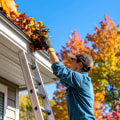
Inspect the flashing around chimneys, vents, and skylights for any gaps or rust. Clean out gutters to ensure proper drainage and check for any blockages.7.Look for Signs of Leaks:
Check inside your attic or upper floors for any water stains or signs of leaks.This can help identify problem areas on the roof.
8.Document Your Findings:
Take notes and photographs of any issues you discover during your inspection. This documentation will be helpful if you decide to hire a contractor later.9.Know When to Call a Professional:
If you encounter significant damage or are unsure about what you find, don’t hesitate to contact a roofing professional for a more thorough inspection. Regular roof inspections, whether DIY or professional, can save homeowners significant costs in repairs while extending the life of their roofs. In conclusion, regular roof inspections are essential for every homeowner to maintain the integrity and longevity of their roofs. By understanding different roof types and employing DIY roof inspection techniquesDIY roof inspection techniques, homeowners can identify potential issues before they escalate into costly repairs. It is crucial to recognize when it is appropriate to hire a roofing professional, especially when dealing with complex roofing problems that require expert attention.Additionally, staying informed about common roofing problems and implementing maintenance tips will further enhance your roof's durability. We encourage you to take proactive steps in caring for your roof, ensuring its protection against the elements. Remember, there are various resources available should you need assistance, whether through professional help or informative guides.