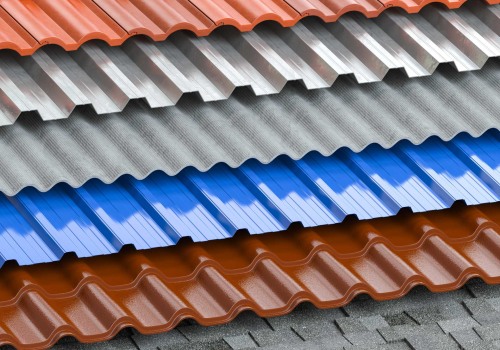
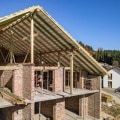
When it comes to roofing materials, homeowners are often faced with a myriad of choices, each offering its own unique benefits and aesthetic appeal. Among the most popular options are When it comes to roofing materials, homeowners are often faced with a myriad of choices, each offering its own unique benefits and aesthetic appeal. Among the most popular options are clay tilesclay tiles and concrete tilesconcrete tiles, both of which have their own distinct characteristics that can significantly impact the look and durability of your home. But how do you choose between them?The decision to install either clay tiles or concrete tiles can feel overwhelming, especially when considering factors such as climate, cost, maintenance, and architectural style. Understanding these differences is crucial not only for enhancing the curb appeal of your property but also for ensuring long-term performance and protection. This article will delve into the key aspects of clay vs.
concrete tiles, comparing their materials, durability, insulation properties, and much more. By the end, you will have a clearer picture of which roofing tile is best suited for your needs, ensuring that your investment is both smart and stylish. When it comes to roofing materials, making the right choice is crucial for homeowners. The decision between clay tiles and concrete tiles can significantly impact your home’s value, energy efficiency, and overall aesthetics. With various options available on the market, understanding the differences between these two popular materials is essential.
Clay tiles
are made from natural clay that is shaped and then fired in a kiln, resulting in a durable and weather-resistant product.They are known for their rich, earthy colors and unique textures, which can enhance the visual appeal of any home. In contrast, concrete tiles are manufactured using a mixture of cement, sand, and water, which is then molded into shape and cured. This makes concrete tiles incredibly versatile, as they can mimic the look of clay tiles or even slate while offering a wider range of colors and styles. One of the standout features of both materials is their durability.
Clay tiles
can last over 100 years with proper maintenance, making them one of the longest-lasting roofing materials available.They are resistant to rot, insects, and extreme weather conditions, including high winds and hail. However, they can be somewhat brittle and may crack if subjected to heavy impacts. On the other hand, concrete tiles typically have a lifespan of 50 years or more. While they are generally more robust than clay tiles in terms of impact resistance, they can be susceptible to discoloration and wear over time. Weight is another consideration when choosing between these two materials.
Clay tiles are significantly lighter than concrete tiles, which means they place less stress on the roof structure. This can be an advantage for older homes or those with less robust framing systems. However, this lighter weight also means that clay tiles may be less stable in extreme weather conditions compared to the heavier concrete tiles.When it comes to energy efficiency, both clay and concrete tiles have their advantages. They are excellent at reflecting sunlight, which helps to keep homes cooler in hot climates.
This reflective property can lead to lower energy bills during the summer months. However, clay tiles typically have better thermal mass properties than concrete, allowing them to absorb heat during the day and release it slowly at night. This can be particularly beneficial in regions with significant temperature fluctuations. The cost analysis of these roofing options reveals some important differences as well. Generally speaking, clay tiles tend to be more expensive upfront due to their labor-intensive manufacturing process and the skill required for proper installation.
On average, homeowners can expect to pay between $10 to $18 per square foot for clay tile roofing. Meanwhile, On average, homeowners can expect to pay between $10 to $18 per square foot for clay tile roofing. Meanwhile, concrete tiles, while still considered a premium option, usually range from $5 to $12 per square foot. Although clay tiles may be more costly initially, their longevity can offer better value over time. Lifespan plays a significant role in potential return on investment (ROI). Homeowners who opt for clay tiles may enjoy higher resale values due to their long-lasting nature and aesthetic appeal.
In some markets, homes with clay tile roofs can sell for up to 20% more than those with other roofing materials. Conversely, while concrete tiles offer durability as well, their ROI may not be as high as clay due to their shorter lifespan. Maintenance requirements vary between these materials but are generally manageable with regular upkeep. For both clay and concrete tiles, periodic inspections are recommended to check for cracks or loose tiles. Cleaning is also essential; homeowners should remove debris such as leaves and branches that can trap moisture and lead to mold growth.
A gentle rinse with a garden hose usually suffices for cleaning concrete tiles, while clay tiles may require more careful handling due to their brittleness. A critical aspect of maintaining either material involves being aware of common issues. For instance, clay tiles may develop cracks or chips over time, especially in areas prone to extreme weather conditions. Concrete tiles might experience color fading or moss growth if not properly cared for. When considering repairs or inspections, it’s important to determine whether hiring a contractor or undertaking DIY methods is appropriate.
For major repairs or installations involving structural changes, hiring a licensed contractor is advisable. However, minor repairs like replacing a few broken tiles or performing routine inspections can often be handled by motivated DIY enthusiasts. Real-life examples illustrate the pros and cons of each option effectively. One homeowner in California opted for clay tiles, appreciating their aesthetic appeal and energy efficiency benefits in the warm climate. After several years of ownership, they reported lower energy bills and an increase in home value when they decided to sell their property.
In contrast, another homeowner chose concrete tiles for their robustness against hail storms common in their area. Although they faced some initial discoloration issues after years of exposure to harsh sunlight, they appreciated the cost savings on installation. Sustainability is an increasingly important factor when considering roofing materials. Both clay and concrete tiles have eco-friendly aspects; clay is a natural material that requires minimal processing compared to asphalt shingles that can off-gas harmful chemicals during production. Furthermore, both types of tile roofs are recyclable at the end of their lifespan.
However, it’s worth noting that cement production for concrete has a significant environmental impact due to high carbon emissions. In conclusion, choosing between clay tiles and concrete tiles involves weighing various factors such as durability, cost, aesthetics, maintenance requirements, and environmental impact. Understanding these characteristics will empower homeowners to make an informed decision that meets both their needs and preferences.
Understanding Clay Tiles
Clay tiles are a traditional roofing material known for their distinctive appearance and durability. One of the primary benefits of clay tiles is their remarkable longevity. When properly installed and maintained, they can last for over a century, making them one of the most durable roofing options available.This longevity not only reduces the need for frequent replacements but also contributes to lower long-term costs. Another significant advantage of clay tiles is their excellent thermal properties. They naturally reflect sunlight, which helps to keep homes cooler in hot climates, thereby improving energy efficiency. This reflective quality can lead to reduced air conditioning costs during the summer months and contribute to a more comfortable living environment. Furthermore, clay tiles are also fire-resistant and can withstand extreme weather conditions, including high winds and heavy rain. This resilience makes them a reliable choice for homeowners looking to safeguard their investment.
Additionally, their natural composition allows for a variety of colors and styles, enhancing the aesthetic appeal of any home. Overall, choosing clay tiles for roofing not only elevates the visual appeal of your property but also ensures a long-lasting and energy-efficient solution.
Exploring Concrete Tiles
Concrete tiles are a popular choice among homeowners and builders alike, thanks to their numerous advantages. One of the primary benefits of concrete tiles is their cost-effectiveness. Compared to other roofing materials, concrete tiles are often more affordable, making them an attractive option for those on a budget. Their durability also contributes to long-term savings, as they can withstand harsh weather conditions and require minimal maintenance over the years. In addition to being economical, concrete tiles offer remarkable versatility.They come in a wide range of styles, colors, and textures, allowing homeowners to customize their roofs to match their aesthetic preferences. Whether you desire a traditional look or a more modern design, there are concrete tile options available that can complement any architectural style. Furthermore, concrete tiles are designed to mimic the appearance of natural materials such as clay or slate, providing an elegant finish without the higher costs associated with those materials. This versatility not only enhances the curb appeal of your home but also increases its overall value. Finally, concrete tiles are known for their energy efficiency. They can help regulate indoor temperatures by reflecting sunlight and keeping homes cooler in hot weather.
This energy efficiency can lead to lower cooling costs, making concrete tiles an environmentally friendly and cost-effective roofing choice.
Cost Considerations
When it comes to roofing materials, understanding the cost considerations is crucial for homeowners making a decision. The initial investment for clay tiles tends to be higher than that of concrete tiles. Clay tiles typically range from $7 to $12 per square foot, while concrete tiles cost between $4 to $8 per square foot. This difference in upfront costs can significantly impact your budget, especially for larger roofing projects. However, it's important to look beyond the initial expenses and consider the long-term savings associated with each type of tile.Clay tiles are known for their durability and can last 50 years or more with proper maintenance, making them a wise investment in the long run. Their longevity often translates to lower replacement and maintenance costs over time. On the other hand, while concrete tiles have a shorter lifespan of about 30 to 50 years, they still offer good durability and performance at a lower initial price point. Additionally, concrete tiles can be more energy-efficient than clay, potentially leading to savings on heating and cooling costs. Ultimately, when weighing the cost considerations, homeowners should assess their budget alongside the expected lifespan and maintenance needs of each tile type. This analysis will help determine which option aligns better with their financial goals and roofing needs.
When to Call a Professional
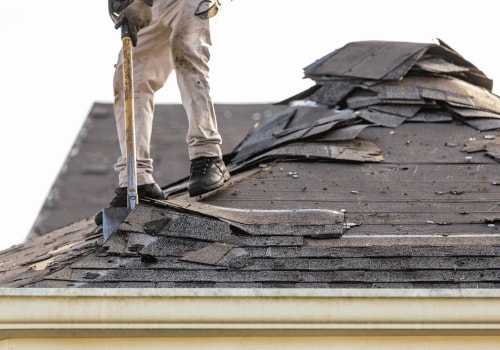
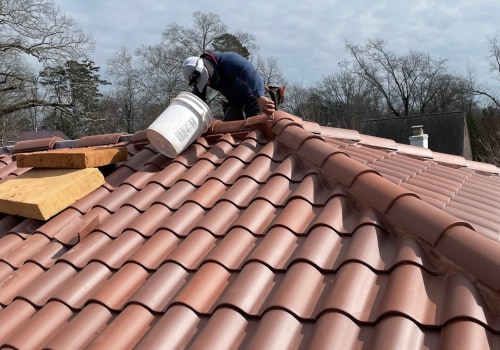
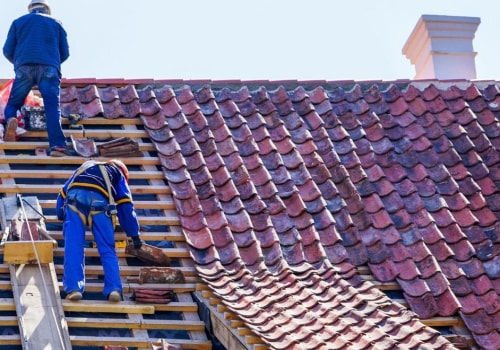
While DIY projects can be rewarding, roofing is one area where enlisting the help of a professional is often necessary.There are several scenarios where hiring a roofing contractor becomes essential to ensure the job is done safely and correctly. Firstly, if you are considering a complete roof replacement or extensive repairs, the complexity of the task usually warrants professional assistance. Experienced contractors have the necessary skills and knowledge to assess the current state of your roof and determine the best course of action, whether it involves clay or concrete tiles.Secondly, if your roofing project requires permits or adheres to local building codes, a professional will be well-versed in these regulations and can navigate the legalities for you. They will ensure that all work complies with safety standards, which is crucial for protecting your home and investment. Additionally, if you are dealing with significant damage caused by weather events, such as storms or hail, it is advisable to contact a roofing expert. They can provide a thorough inspection to identify underlying issues that may not be visible from the ground.
This is especially important for maintaining the integrity of your home. Finally, if you are unsure about your ability to perform the necessary installation or repairs, it’s better to err on the side of caution. Hiring a professional not only guarantees quality workmanship but also saves you time and potential costs associated with mistakes. Investing in a skilled contractor can ultimately lead to a more durable and aesthetically pleasing roof.
Maintenance Tips
Maintaining your roof is crucial to ensuring its longevity and performance, whether you choose clay tiles or concrete tiles. Here are some practical tips for keeping both types of tiles in excellent condition:Regular Inspections: Conduct routine inspections at least twice a year, especially after severe weather conditions.Look for any cracked, broken, or missing tiles that may need replacement.
Clean Debris:
Remove leaves, branches, and other debris from the roof surface and gutters to prevent water buildup and potential leaks. Use a soft broom or a blower to avoid damaging the tiles.Check for Algae and Moss:
Both clay and concrete tiles can attract algae and moss, which can retain moisture and lead to deterioration. Use a mixture of water and mild detergent to clean affected areas, or consider installing zinc strips to inhibit growth.Sealant Application:
For concrete tiles, applying a sealant every few years can help protect against moisture penetration and prolong their lifespan. Clay tiles generally require less sealing but should still be inspected for wear.Professional Maintenance:
Consider hiring a professional roofing service for comprehensive inspections and maintenance every few years.They can identify potential issues that may not be obvious during a casual inspection. By following these maintenance tips, you can ensure that your clay or concrete tiles remain in great shape, enhancing your home's value and aesthetic appeal while providing reliable protection against the elements.
Comparative Analysis
When choosing between clay tiles and concrete tiles for your roof, it's essential to consider several key factors: durability, cost, maintenance, and aesthetic options.Durability
: Both clay and concrete tiles are known for their longevity. Clay tiles can last over 100 years when properly maintained, making them one of the most durable roofing materials available. On the other hand, concrete tiles typically have a lifespan of 50 to 75 years. However, while clay is more resistant to fading and weather damage, concrete tiles may be more susceptible to cracking under extreme conditions.Cost
: In terms of cost, clay tiles generally have a higher upfront price compared to concrete tiles.The average cost of clay roofing can range from $10 to $20 per square foot, while concrete tiles range from $5 to $15 per square foot. Although clay has a higher initial investment, its durability may result in lower long-term costs.
Maintenance
: Maintenance requirements differ between the two materials. Clay tiles require minimal maintenance due to their resistance to mold and mildew; occasional cleaning is usually sufficient. In contrast, concrete tiles may require more frequent inspections and repairs due to potential cracking or algae growth.Aesthetic Options
: When it comes to aesthetics, both options offer unique advantages.Clay tiles are often favored for their traditional and elegant appearance, available in various colors and shapes that can enhance a home's character.
Concrete tiles
, however, provide a broader range of designs and can mimic the look of wood or slate at a lower cost, giving homeowners more flexibility in achieving their desired look. In summary, both clay and concrete tiles present distinct advantages and disadvantages. Your choice will depend on your specific needs, budget, and design preferences. In conclusion, the decision between clay tiles and concrete tiles is significant and should not be taken lightly. As we've discussed, both materials offer unique advantages and drawbacks that can impact your home's value, energy efficiency, and overall aesthetic appeal.Understanding the characteristics of clay tiles, along with the benefits of concrete tiles, allows homeowners to make informed choices that align with their specific needs and budgets. Throughout this article, we explored key factors such as cost considerations, maintenance requirements, and when it's advisable to seek professional guidance. It's essential to weigh these aspects carefully, as the right roofing material can enhance your home’s durability and style. Ultimately, whether you lean towards the traditional elegance of clay tiles or the versatile nature of concrete tiles, remember that consulting with a roofing professional can provide tailored advice to suit your situation. Take the time to evaluate all your options thoroughly before making this important decision for your home.