When it comes to roofing projects, understanding the intricacies of project timelines and costs is essential for homeowners looking to make informed decisions. Whether you’re replacing an old roof or building a new one, knowing what to expect in terms of time and budget can save you from unnecessary stress and potential financial surprises. Many homeowners find themselves overwhelmed by the myriad of choices available when hiring roofing contractors. With so much at stake, it’s crucial to grasp how different factors can influence both the timeline and the overall cost of your roofing project. From selecting the right materials to understanding labor costs and permitting processes, every aspect plays a vital role in shaping your project's outcome. This article aims to provide you with a comprehensive overview of what to consider when planning your roofing project, focusing on is essential for homeowners looking to make informed decisions. Whether you’re replacing an old roof or building a new one, knowing what to expect in terms of time and budget can save you from unnecessary stress and potential financial surprises. Many homeowners find themselves overwhelmed by the myriad of choices available when hiring roofing contractors. With so much at stake, it’s crucial to grasp how different factors can influence both the timeline and the overall cost of your roofing project. From selecting the right materials to understanding labor costs and permitting processes, every aspect plays a vital role in shaping your project's outcome. This article aims to provide you with a comprehensive overview of what to consider when planning your roofing project, focusing on project timelines and costs.
By delving into these critical elements, we hope to equip you with the knowledge needed to effectively communicate with potential contractors and ensure that your roofing experience is smooth and successful. Let’s explore the key components that will help you navigate this important home improvement journey. Understanding project timelines and costs is crucial for homeowners embarking on a roofing project. By being informed about the various factors that influence timelines and costs, homeowners can make better decisions regarding their roofing needs, whether they are hiring a contractor or considering DIY solutions. Several factors can significantly influence the timeline of a roofing project. One of the primary factors is the type of roofing materials selected.
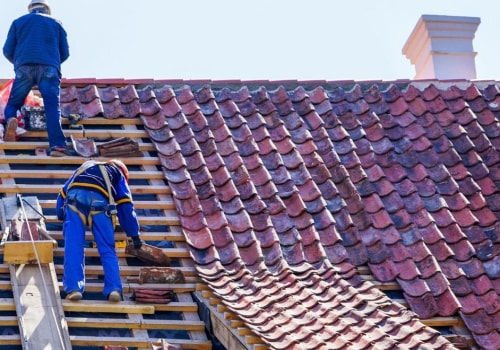
Different materials have varying installation durations. For example, asphalt shingles are one of the most common roofing materials used in residential projects and typically take about 1 to 3 days for installation, depending on the size and complexity of the roof. On the other hand, metal roofing can take slightly longer, often ranging from 3 to 7 days, due to the precision required in installation. More complex materials such as tile or slate may take even longer, sometimes extending beyond a week for proper installation. Weather conditions also play a significant role in determining project timelines.
Inclement weather, such as heavy rain, snow, or strong winds, can delay roofing projects. For instance, if a storm is predicted during the installation period, contractors may need to pause work to ensure safety and prevent damage to materials. Additionally, contractor availability can impact timelines. During peak seasons, roofing contractors may have multiple projects lined up, which could lead to longer wait times for starting your project. When considering the costs associated with roofing projects, it's essential to break down expenses into labor costs, material costs, and any additional expenses for permits or inspections.
Material costs can vary widely depending on the type chosen. Asphalt shingles are generally on the lower end of the spectrum, costing between $90 to $100 per square (a square equals 100 square feet). In contrast, metal roofing can range from $250 to $750 per square, while tile or slate can go even higher, with prices reaching upwards of $1,000 per square. These figures reflect just the material costs; labor costs typically add an additional $100 to $200 per square on top of that. Homeowners should also be aware of additional expenses that might arise during a roofing project.
Permits are often required for roofing work and can add anywhere from $50 to several hundred dollars to the overall budget, depending on local regulations. Inspections may also be necessary at various stages of the project, contributing further to total costs. Another critical aspect to consider is that some roofs may require more maintenance or repairs over time, affecting long-term costs. For example, while asphalt shingles may be less expensive initially and have a lifespan of around 20 years, they may need repairs or replacement sooner than other materials like metal or tile roofs that can last 50 years or more with proper care. Budgeting for unexpected expenses is another crucial element of managing a roofing project successfully. Homeowners should anticipate that unplanned issues could arise once work begins.
For instance, if underlying damage is discovered during the removal of old roofing materials, it may necessitate additional repairs that weren't accounted for in the original budget. Experts recommend setting aside an additional 10-20% of your total project cost as a contingency fund to cover these unexpected expenses. Common questions homeowners might have include 'How much time should I allocate for roof replacement?' and 'What are the hidden costs of roofing projects?'. The answer to these questions often depends on the specifics of each project but typically involves a careful assessment of materials selected and contractor schedules. Understanding these factors will not only help in planning but will also equip homeowners with knowledge to discuss timelines and costs confidently with their contractors.
Budgeting for Your Roofing Project
When planning a roofing project, budgeting effectively is crucial to ensure that you can cover both expected and unexpected costs.A well-thought-out budget helps homeowners navigate the financial aspects of their roofing needs without overspending or compromising on quality. First, start by estimating the expected costs. This includes materials, labor, permits, and any additional services required for your roofing project. Research the average costs in your area and gather quotes from multiple contractors to get a clearer picture of what to expect. Next, it's essential to set aside a contingency fund for unexpected costs. Roofing projects often reveal hidden issues such as structural damage or the need for additional materials once the work begins.
A good rule of thumb is to allocate an additional 10-20% of your total budget for unforeseen expenses. Additionally, consider the timing of your project. Certain seasons may affect labor and material prices, so planning your roofing project during off-peak times can help you save money. Keep in mind that rushing a project due to budget constraints can lead to poor quality work or the use of subpar materials. Lastly, if you are considering DIY solutions, factor in your own time and effort into the budget. While DIY might seem cost-effective, make sure you have the necessary skills and tools to avoid costly mistakes.
Always weigh the potential savings against the risks involved in handling roofing work yourself. By carefully budgeting for your roofing project, you can make informed decisions that align with your financial capabilities while ensuring a successful outcome.
Cost Breakdown for Roofing Projects
When embarking on a roofing project, understanding the cost breakdown is crucial for homeowners. The total cost of a roofing project can vary significantly based on several factors, including the size of the roof, materials chosen, and labor expenses. Below, we outline the typical costs involved in roofing projects.Materials
: The type of roofing material you select will heavily influence your overall costs. Common materials include asphalt shingles, metal roofing, tile, and slate.Asphalt shingles are generally the most affordable option, while metal and slate can be more expensive due to their durability and aesthetic appeal. In addition to the main roofing material, homeowners should also consider the cost of underlayment, flashing, and other necessary accessories.
Labor
: Labor costs can vary based on geographical location and the complexity of the roofing project. On average, labor can account for 60% of the total cost. Hiring experienced roofing contractors may result in higher upfront costs but can often save money in the long run by ensuring quality workmanship.Permits and Inspections
: Depending on local regulations, permits may be required for roofing projects.The costs associated with obtaining permits and scheduling inspections should also be factored into your budget.
Additional Costs
: Homeowners should also be aware of potential additional costs that may arise during a roofing project. These can include disposal fees for old roofing materials, unexpected repairs to underlying structures, or upgrades to insulation and ventilation systems. By understanding these key components of cost breakdown, homeowners can make informed decisions when planning their roofing projects, whether they choose to hire a contractor or tackle the project themselves.Questions to Ask Your Roofing Contractor
When embarking on a roofing project, understanding project timelines and costs is crucial. To ensure you are well-informed and can make the best decisions, here are some important questions to ask your roofing contractor:1.What is the estimated timeline for the project? Knowing the duration of the project helps you plan accordingly and manage any disruptions to your daily life.2.Can you provide a detailed breakdown of costs?
Requesting a comprehensive estimate will help you understand where your money is going and identify any potential hidden fees.3.How do you handle unexpected issues that may arise during the project?
Understanding how the contractor deals with unforeseen circumstances will give you insight into their problem-solving capabilities and how it might affect the timeline and costs.4.What is included in your estimate?
Clarify whether the estimate covers materials, labor, permits, and other related expenses to avoid surprises later on.5.Do you have references or examples of similar projects?
Reviewing past work can help you gauge their experience and reliability, particularly regarding sticking to timelines and budgets.6.What type of warranty do you offer?
Knowing the warranty details can provide peace of mind about the quality of work and what costs may arise in the future.7.How often will you update me on the progress of the project?
Regular updates are essential for maintaining communication and ensuring that the project stays on track. By asking these questions, homeowners can gain a clearer understanding of project timelines and costs, making it easier to choose a contractor that aligns with their needs and expectations.Factors Affecting Project Timelines
When planning a roofing project, understanding the project timelines is crucial for homeowners. Several elements can significantly impact how long the project will take to complete.Being aware of these factors can help homeowners set realistic expectations and make informed decisions. One of the primary factors affecting project timelines is the choice of materials. Different roofing materials have varying installation processes and drying times. For instance, asphalt shingles can typically be installed more quickly than metal or tile roofs, which may require additional structural support or specialized installation techniques. Homeowners should consider these differences when selecting materials, as they can directly influence the overall duration of the project. Weather conditions also play a vital role in determining project timelines.
Roofing projects are often weather-dependent, and adverse conditions such as rain, snow, or extreme temperatures can delay progress. Contractors may need to pause work to ensure safety and quality during inclement weather. Therefore, it's essential for homeowners to account for seasonal variations and potential weather disruptions when planning their roofing projects. Additionally, the complexity of the roofing design can affect timelines. Simple gable roofs may require less time for installation compared to more intricate designs that involve multiple slopes, valleys, or additional features like skylights.
Homeowners should discuss their design choices with contractors to understand how these decisions will impact the overall schedule. Lastly, contractor availability and workforce size can influence project timelines. If a contractor is in high demand or has a limited crew, it may take longer to start and complete the roofing project. Homeowners are encouraged to discuss scheduling with potential contractors early in the hiring process to ensure that they can meet their timeline expectations.
DIY vs. Professional Roofing Solutions
When considering roofing projects, homeowners often face the dilemma of choosing between DIY roofing maintenance and hiring professionals.Each option presents its unique set of benefits and drawbacks that can significantly impact both the project's outcome and overall costs.
DIY roofing maintenance
offers the allure of saving money, as homeowners can avoid labor costs associated with professional services. Additionally, it provides a sense of accomplishment and control over the project. Homeowners who are handy and possess the necessary tools may find that they can effectively tackle minor repairs or maintenance tasks on their own, thus extending the life of their roof. However, DIY roofing comes with its challenges. The lack of professional expertise can lead to mistakes that may result in further damage or subpar workmanship.Additionally, safety is a significant concern; working at heights poses risks that inexperienced individuals may not fully appreciate. Furthermore, DIY projects can take more time than anticipated, potentially leaving roofs exposed to the elements for longer periods. On the other hand, hiring professional roofing contractors ensures that the work is completed efficiently and to a high standard. Professionals bring experience, specialized skills, and knowledge of local building codes, which can help prevent costly errors. They also offer warranties on their work, providing homeowners peace of mind regarding repairs or replacements. However, the main drawback of hiring professionals is the cost.
Labor expenses can make up a significant portion of the overall project budget, which might be a concern for homeowners on tight budgets. Additionally, finding a reputable contractor requires research, as not all contractors are created equal. Ultimately, the decision between DIY and professional solutions should be based on the homeowner's skill level, budget, and the complexity of the roofing project. Understanding these factors can lead to more informed decisions that align with their specific needs. In conclusion, understanding project timelines and costs is crucial for homeowners embarking on a roofing project. Throughout this article, we have highlighted the various factors that can affect the duration and expense of your roofing endeavor, including weather conditions, material choices, and labor availability. We also provided a detailed cost breakdown for typical roofing projects, emphasizing the importance of budgeting appropriately to avoid unexpected expenses.
Whether you are considering a DIY approach or hiring a professional, being informed allows you to make better decisions that can significantly impact the success of your project. As you prepare to move forward with your roofing needs, remember to ask the right questions when consulting with contractors. This will not only help clarify any uncertainties but also ensure that you are making a well-informed choice that aligns with your budget and timeline. Ultimately, thorough research and proactive communication are key to achieving a successful roofing experience.