When it comes to maintaining the integrity of your home, removing old roofing materialsremoving old roofing materials is a crucial step that should never be overlooked. Whether you're planning to upgrade your roof or simply want to ensure your current structure remains safe and sound, understanding the process of removing outdated or damaged roofing can save you time, money, and headaches in the long run. Many homeowners underestimate the complexity involved in this task, believing it to be a straightforward DIY project. However, without proper knowledge and preparation, what seems like a simple job can quickly escalate into a major undertaking.
From selecting the right tools to understanding safety protocols, there are numerous factors to consider. In this article, we will guide you through the essential steps for removing old roofing materials, equipping you with the knowledge needed to tackle this project efficiently and effectively. Join us as we break down each stage of the process, ensuring that you are well-prepared for every aspect of the job. By the end of this guide, you'll have a comprehensive understanding of what it takes to successfully remove your old roofing materials and pave the way for a new roof that enhances both the aesthetic and functional aspects of your home. When it comes to removing old roofing materials, a systematic approach is essential for ensuring safety and efficiency. Before diving into the physical labor, it is crucial to prioritize safety precautions.
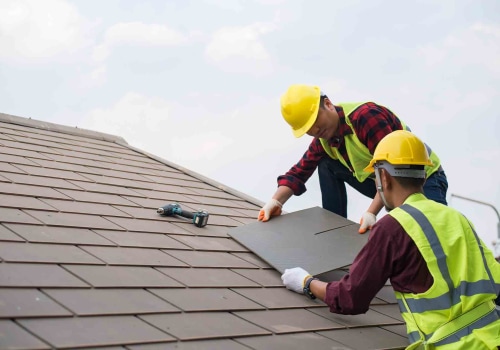
Always wear protective gear, including gloves, goggles, and hard hats, to shield yourself from falling debris and sharp edges. Additionally, ensure that your work area is well-ventilated, especially if you are dealing with materials that may have been exposed to mold or other harmful substances. Having the right tools is also a vital part of the process. Equip yourself with sturdy ladders, hammers, pry bars, and safety harnesses to safely navigate your roof. A utility knife can be helpful for cutting through shingles or roofing felt.
If you are working on a steep roof, consider investing in a roof harness system to prevent accidents while working at height. The step-by-step process of removing shingles or tiles can vary depending on the type of roofing material. For asphalt shingles, start at the top of the roof and work your way down. Use a pry bar to lift the shingles gently, ensuring you remove any nails or staples holding them in place. For metal roofs, locate the screws or fasteners securing the panels and remove them using a power drill or screwdriver.
Be cautious not to damage the underlying structure during this process. If you're dealing with tiles, carefully remove each tile by tapping around the edges with a hammer until they loosen enough to be lifted off. While removing old roofing materials, it’s essential to keep an eye out for underlying issues such as water damage or pest infestations. Look for signs of mold growth, wood rot, or insect activity as you peel back layers of roofing. Identifying these problems early can save you time and money in the long run by allowing for necessary repairs before installing new roofing. Determining whether to tackle this project as a DIY endeavor or hire a professional can be challenging.
If your roof has extensive damage or if you are uncomfortable with heights and working on sloped surfaces, it's best to seek professional help. Signs that indicate a need for expert assistance include significant water damage, widespread mold growth, or structural issues that require advanced repair techniques. On the other hand, if your roof is relatively straightforward and in good condition beneath its old materials, you might feel confident taking on the project yourself. Avoiding common mistakes during the removal process is critical for both safety and efficiency. One frequent error is not properly securing ladders or equipment before climbing.
Another mistake is neglecting to check for hidden utilities, such as electrical lines running under roofing materials. Make sure to assess your surroundings before starting any work. Lastly, proper disposal of old roofing materials should never be overlooked. Many materials can be recycled, while others may require specific disposal methods according to local regulations. Check with local waste management authorities for guidance on how to dispose of your old roofing safely and responsibly.
Safety First: Preparing for Removal
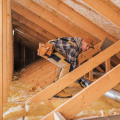
Before embarking on the task of removing old roofing materials, it is crucial to prioritize safety to protect yourself and anyone assisting you.The following steps outline the necessary safety gear and precautions. First and foremost, wearing appropriate personal protective equipment (PPE) is essential. This includes a hard hat to protect your head from falling debris, safety goggles to shield your eyes from dust and particles, and a respirator or face mask to avoid inhaling harmful substances like mold spores or insulation fibers. In addition to PPE, ensure that you have sturdy work gloves to protect your hands from sharp edges and rough materials. Steel-toed boots are also recommended to safeguard your feet against heavy objects that may fall during the removal process. Next, inspect the work area thoroughly before starting. Look for hazards such as unstable ladders or scaffolding, loose shingles, or areas that may cause slips and falls.
Secure the area by removing any obstacles that could pose a risk. Moreover, consider using a harness if you're working on a steep roof or at significant heights. A safety harness can prevent falls and provide an additional layer of protection. Lastly, make sure to have a first aid kit on hand in case of minor injuries during the removal process. Knowing how to respond to emergencies can be invaluable in ensuring that everyone remains safe while you work.
Identifying Underlying Issues
When removing old roofing materials, it is crucial to assess the condition of what lies beneath. This process can reveal potential issues that may compromise the integrity of your new roof.Start by carefully inspecting the decking, which is the base layer that supports the roofing materials. Look for signs of damage such as sagging, discoloration, or soft spots that indicate rot or water damage. Next, examine the flashing around chimneys, vents, and skylights. Damaged or improperly installed flashing can lead to leaks and further structural damage. If you notice rust, corrosion, or gaps in the flashing, these are clear indicators of underlying problems. Additionally, check for mold or mildew growth on the underside of the roofing materials.
This can signal prolonged moisture exposure and may require remediation before proceeding with new installation. If you encounter extensive mold, it is essential to consult a professional to ensure safe removal. Lastly, inspect the insulation in your attic space. Wet insulation can indicate leaks and should be replaced to maintain energy efficiency and prevent future issues. Addressing these underlying concerns during the removal of old roofing materials will help ensure a stable and long-lasting new roof.
DIY vs Professional Help
When considering the task of removing old roofing materials, homeowners often face the dilemma of whether to take on the project themselves or hire a professional.The decision can significantly impact both the success of the roof replacement and the safety of those involved. For those with experience in home improvement, tackling the job themselves can be a rewarding challenge. If you possess strong DIY skills, have the necessary tools, and are comfortable working at heights, removing old roofing materials may be feasible. However, it’s essential to assess your physical ability and ensure you have a solid understanding of the safety precautions involved in such a project. On the other hand, there are several circumstances where seeking professional help is advisable. If your roof has extensive damage, such as significant rot or mold, or if it features multiple layers of roofing material, a professional with specialized expertise will likely handle the removal more efficiently and safely.
Additionally, if you lack experience in roofing projects or do not have access to safety equipment like harnesses and ladders, hiring a qualified contractor can save you time and reduce risk. Ultimately, weighing the complexity of your specific situation against your own skills and resources will guide your decision on whether to proceed with a DIY approach or enlist professional assistance for removing old roofing materials.
Proper Disposal of Old Roofing Materials
When it comes to removing old roofing materials, it is equally important to consider the proper disposal methods. Improper disposal can lead to environmental hazards and may even violate local regulations. Therefore, understanding eco-friendly disposal options is crucial for homeowners and contractors alike. One of the most effective ways to dispose of old roofing materials is through recycling. Many materials, such as shingles, metal, and tiles, can be recycled and repurposed.Look for local recycling centers that accept roofing waste, as they often provide specialized services for this type of material. By recycling, you not only contribute to environmental conservation but also reduce landfill waste. In addition to recycling, another option is to donate usable materials. If your old roofing materials are still in good condition, consider donating them to local charities or organizations that assist with home repairs for those in need. This practice not only helps others but also promotes sustainability. It’s also important to familiarize yourself with local regulations regarding roofing waste disposal.
Different regions have specific rules about how roofing materials should be disposed of, including guidelines on hazardous waste. Some areas may require permits or specific disposal methods for certain materials, especially if they contain harmful substances like asbestos. To ensure compliance with local regulations, contact your municipal waste management office or consult with a professional roofing contractor who is knowledgeable about the laws in your area. Following these guidelines will help you avoid fines and contribute positively to your community. In conclusion, properly disposing of old roofing materials through eco-friendly methods and adhering to local regulations is essential. By taking these steps, you can minimize your environmental impact while ensuring a safe and compliant removal process.
Step-by-Step Removal Process
Removing old roofing materials is a crucial step in ensuring a successful roof installation.Here’s a detailed guide on how to remove various types of roofing materials safely and effectively.
Asphalt Shingles:
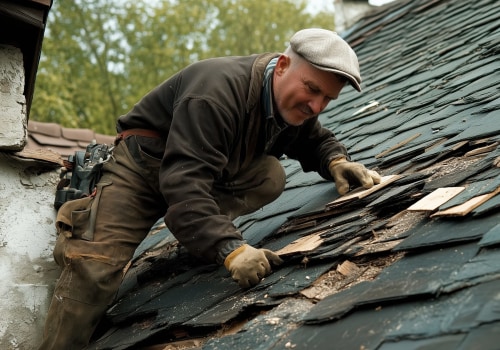
Start by removing any visible nails or fasteners using a pry bar. Begin at the peak of the roof and work your way downwards. Carefully lift each shingle to detach it from the underlayment. If shingles are stuck due to adhesive, use a utility knife to cut through the bond.Make sure to dispose of the shingles properly, as they can be heavy and cumbersome.
Wood Shingles or Shakes:
Similar to asphalt shingles, begin at the top and work downwards. Use a pry bar to remove nails or staples holding the shingles in place. Be cautious of splintering wood, which can pose safety risks. If you encounter any shakes that are particularly stubborn, a reciprocating saw can help in cutting them out.Metal Roofing:
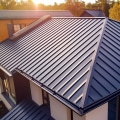
For metal roofs, start by removing the screws or nails securing the panels.Use a drill or impact driver for efficiency. Once the fasteners are removed, carefully lift each panel from the roof structure. If there is any sealant used, you may need to cut through it with a utility knife to free the panels without bending or damaging them.
Tile Roofing:
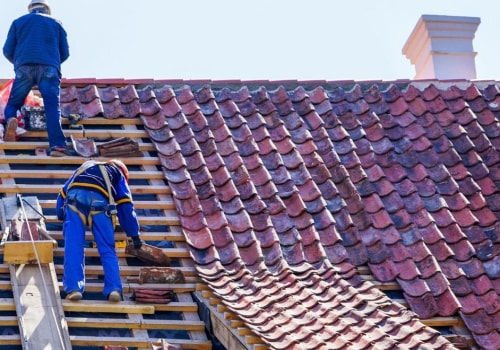
Tile roofs require extra care due to the fragility of the tiles. Begin by removing any ridge caps and then carefully lift each tile starting from the top row.Use a flat pry bar to help dislodge tiles without breaking them. Be mindful of falling tiles during this process; wearing safety goggles is advisable.
Flat Roofing Materials:
For materials like EPDM or TPO, start by cutting the membrane with a utility knife. Remove any flashing or perimeter edges first. After cutting, you can peel back the membrane, which may require some force if it has adhered over time.Ensure that all layers, including insulation if applicable, are removed completely. After removing all roofing materials, inspect the underlying structure for damage before proceeding with the installation of your new roof. Properly disposing of old materials and cleaning up the work area is essential for safety and efficiency.
Essential Tools for Roof Removal
Removing old roofing materials requires a selection of specialized tools to ensure the process is safe and efficient. Below is a list of essential tools that every DIY enthusiast or professional should have on hand:1.Roofing Shovel or Scraper: This tool is crucial for lifting and removing shingles, tiles, or other roofing materials. The angled blade allows for easy penetration under the material, making it simpler to pry them off the roof.2.Pry Bar:
A pry bar helps in loosening and removing nails or other fasteners holding the roofing material in place.It is also useful for lifting edges of shingles or tiles without causing damage to the underlying structure.
3.Hammer:
A claw hammer is essential for driving new nails into the roof during the installation of new materials as well as for removing old nails during the tear-off process.4.Utility Knife:
A sharp utility knife is necessary for cutting roofing materials, especially when dealing with felt paper or underlayment. Ensure you have replacement blades available for clean cuts.5.Safety Gear:
Always prioritize safety by wearing appropriate gear including gloves, safety glasses, and a hard hat. Additionally, a dust mask may be necessary if you're working with older roofs that may contain hazardous materials like asbestos.6.Ladder:
A sturdy, extension ladder is essential for accessing the roof safely. Ensure it is rated for your weight and height requirements and positioned correctly to avoid accidents.7.Tarps:
Use tarps to catch debris as you remove old roofing materials.This not only keeps your work area clean but also prevents damage to landscaping below.