As a homeowner, maintaining the integrity of your living space is paramount. Among the myriad of issues that can compromise your home's safety and comfort, mold and moisture problems often lurk in the shadows, ready to wreak havoc on your property and health. These insidious invaders can not only lead to structural damage but also pose serious health risks to you and your loved ones. But how do you know if your home is under attack? Identifying mold and moisture problems early on is crucial to prevent extensive damage and costly repairs. In this article, we will explore the telltale signs that indicate your home may be suffering from these issues.
From visible mold growth to unexplained damp spots, understanding these indicators can empower you to take action before it's too late. Whether you're conducting a routine inspection or have noticed something amiss in your living space, arming yourself with the knowledge of what to look for is essential. So, join us as we delve into the world of mold and moisture issuesmoisture issues, uncovering the signs that every homeowner should be vigilant about. Identifying mold and moisture problems in your home is crucial for maintaining the integrity of your roofing system and ensuring a healthy indoor environment. Early detection can save homeowners from facing costly repairs and potential health risks associated with poor air quality. Understanding the signs of mold and moisture issues is the first step in protecting your home. One of the most common indicators of mold or moisture problems is the presence of discoloration on ceilings or walls.
This discoloration often appears as dark spots, yellowing, or stains that indicate water damage. Additionally, a musty odor can be a telltale sign of hidden mold. If you notice an unpleasant smell, it could be a result of moisture accumulation and the subsequent growth of mold. Visible mold growth, which can manifest in various colors including black, green, or white patches, should never be ignored. The impact of weather conditions on roofing materials cannot be overstated.
Rain, snow, and humidity can contribute to the deterioration of roofing systems over time. Leaks often occur as a result of compromised roofing materials or flashing that has failed due to prolonged exposure to harsh weather. It’s essential to be aware that even small leaks can lead to significant water intrusion, resulting in moisture issues that may not be immediately visible. Common areas where moisture can accumulate include attics, basements, and around chimneys. Attics are particularly susceptible to moisture problems, especially if there is inadequate ventilation.
Insulation in attics can trap heat and cause condensation, leading to an ideal environment for mold growth. Basements often experience moisture due to their location below ground level, where water tables can rise and lead to seepage. Areas around chimneys are also prone to leaks if flashing is improperly installed or deteriorated. If you suspect mold or moisture issues, conducting a DIY inspection can help you identify potential problems before they escalate. Start by checking for water stains on ceilings and walls; these stains can indicate leaks from above.
Using a moisture meter can also provide valuable insights into the levels of moisture present in various materials throughout your home. This tool can help you detect hidden dampness behind walls or under flooring. However, it's important to recognize when it may be time to hire a professional. While many homeowners can successfully conduct preliminary inspections, dealing with extensive mold infestations or complex moisture issues may require expert intervention. Disagreements often arise regarding the severity of the problem and whether DIY solutions are sufficient.
If you encounter widespread mold growth, persistent odors, or structural damage, consulting a professional may be the safest course of action. In conclusion, being vigilant about the signs of mold and moisture problems is essential for safeguarding your home against damage and ensuring good air quality. Regular inspections and awareness of environmental factors will empower homeowners to take action before minor issues become major headaches.
Impact on Roofing Materials
Prolonged moisture exposure can have a detrimental effect on various roofing materials. For instance, asphalt shingles are particularly vulnerable to water damage; they can begin to curl, crack, or even lose granules when consistently exposed to moisture. This degradation not only compromises the shingles' effectiveness but also increases the risk of leaks and water infiltration into the underlying structures. Similarly, wooden roofing materials, such as shakes or shingles, are prone to rot when exposed to excessive moisture.This decay weakens the wood, potentially leading to structural failures and requiring costly repairs or replacements.
Metal roofing
, while generally more resistant to moisture, can still suffer from rust and corrosion if water accumulates and is not properly managed. In addition to physical damage, prolonged moisture can encourage mold growth on roofing materials. This not only affects the aesthetic appeal of the roof but can also contribute to further deterioration. Homeowners must be vigilant in identifying signs of mold or moisture issues early on to prevent these serious complications that can arise from inadequate roofing maintenance.Common Signs of Mold Growth
Identifying mold growth early is crucial for maintaining a healthy living environment.Mold can manifest in various forms, and understanding the common signs of its presence is essential for homeowners. One of the most noticeable indicators is discoloration on walls or ceilings. Mold often appears as green, black, or white patches, with colors varying depending on the type of mold. For example, black mold, which can be particularly hazardous, typically shows up as dark black spots, while other molds may present as lighter green or fuzzy white patches. In addition to color, texture changes can also signal the presence of mold. Surfaces affected by mold may feel fuzzy or slimy, indicating moisture retention.
This texture can be more pronounced on porous materials like drywall or wood, which can absorb moisture and provide an ideal environment for mold growth. Another sign to watch for is a musty odor in your home. If you notice a persistent, damp smell, it could be a warning that mold is growing behind walls, under carpets, or in hidden areas such as attics or basements. Moreover, keep an eye out for water stains or discoloration on ceilings and walls. These stains often precede mold growth and indicate that moisture has been present long enough to create an environment conducive to mold development. Lastly, if you observe peeling paint or wallpaper, this may also be a sign of moisture issues related to mold. The presence of water can cause paint and wallpaper to lose adhesion and begin to bubble or peel away from surfaces. Recognizing these common signs of mold growth is vital for homeowners.
Early detection can prevent extensive damage and costly repairs associated with both mold removal and structural issues caused by prolonged moisture exposure.
When to Call a Professional
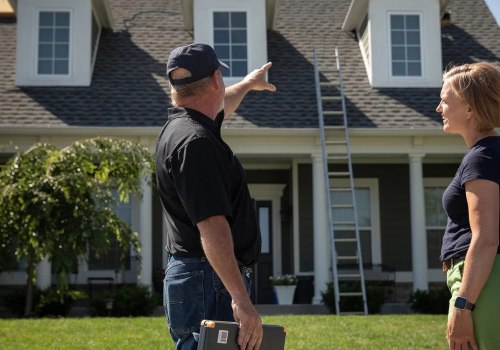
Identifying mold and moisture issues in your home is crucial, but there are times when the situation may exceed your ability to address it alone.Hiring a roofing contractor
becomes essential, particularly in the following scenarios:1.Extensive Damage Suspected
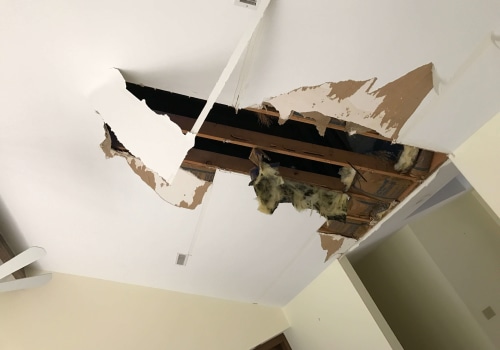
: If you notice significant water stains on ceilings or walls, or if there are visible signs of mold growth, it’s vital to call in a professional. A roofing contractor can assess the extent of the damage and recommend appropriate repairs.2.Persistent Leaks
: If you have tried to fix leaks multiple times but they keep returning, this indicates a deeper issue that may involve roofing materials or structural integrity. A contractor will have the expertise to identify and rectify these problems.3.Health Concerns
: If anyone in your household is experiencing respiratory issues, allergies, or other health problems that may be linked to mold exposure, it’s important to seek professional help.Mold remediation often requires specialized knowledge and equipment that professionals possess.4.
Unclear Source of Moisture
: If you cannot pinpoint where the moisture is coming from, it’s time to consult a roofing expert. They can conduct a thorough inspection to identify leaks from the roof, walls, or plumbing systems.5.Insurance Claims
: If the damage is severe enough to warrant an insurance claim, having a professional assessment will provide you with the documentation needed for your claim process. In all these scenarios, engaging a roofing contractor not only ensures safety but also provides peace of mind knowing that issues are being handled by experts who understand the complexities of roofing systems and moisture management.Moisture Accumulation Areas
Identifying areas of moisture accumulation in your home is crucial for maintaining the integrity of your roofing system. Certain locations are more prone to moisture build-up, and recognizing these spots can help prevent significant damage. One common area where moisture tends to gather is in attics.Poor ventilation can lead to heat and humidity being trapped, creating a perfect environment for mold growth. Insufficient insulation can exacerbate this problem, leading to condensation on roof sheathing and rafters. Another critical area is around windows and doors. If these structures are not properly sealed, rainwater can seep in, causing dampness in the walls and potentially compromising the roofing materials. Regular checks for leaks or signs of water damage around these openings are essential. The kitchen and bathrooms are also notorious for moisture issues due to cooking, showering, and inadequate ventilation.
Steam from cooking or bathing can lead to high humidity levels, which can result in mold if not properly managed. Using exhaust fans and ensuring proper air circulation can help mitigate these issues. Lastly, basements and crawl spaces are often overlooked but can be significant sources of moisture. Groundwater intrusion and poor drainage can lead to standing water, which not only affects indoor air quality but can also compromise the structural integrity of the home, including the roofing system. By being vigilant about these typical moisture accumulation areas, homeowners can take proactive steps to maintain their roofing systems and prevent costly repairs associated with mold and moisture damage.
DIY Inspection Tips
Performing a DIY inspection for mold and moisture issues in your home can save you time and money while ensuring a healthier living environment. Here are some practical steps to guide you through the process:1.Look for Visible Signs: Start by checking areas prone to moisture, such as bathrooms, kitchens, and basements.Look for any discoloration on walls or ceilings, which may indicate water damage or mold growth.
2.Check for Musty Odors:
A persistent musty smell can be a strong indicator of mold presence. If you notice this odor, investigate its source thoroughly.3.Inspect HVAC Systems:
Examine your heating, ventilation, and air conditioning systems. Ensure they are clean and free from mold, as these systems can spread spores throughout your home.4.Monitor Humidity Levels:
Use a hygrometer to check indoor humidity levels. Ideally, humidity should be kept between 30% and 50%.High humidity can encourage mold growth.
5.Examine Roof and Attic Spaces:
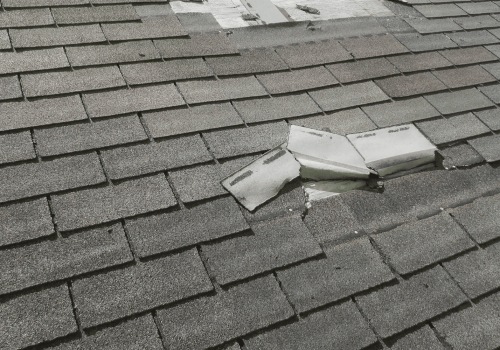
Inspect your roof for missing shingles or signs of leaks. In the attic, look for water stains or any signs of moisture issues, as these can lead to mold development.6.Check Windows and Doors:
Examine seals around windows and doors for cracks or gaps where water might enter. These areas are often overlooked but can be significant sources of moisture problems.7.Utilize Flashlights:
Use a flashlight to inspect dark corners, behind furniture, and inside closets where light may not penetrate well, as mold often thrives in hidden spaces.8.Regular Maintenance:
Schedule regular inspections as part of your home maintenance routine to catch any potential issues early before they escalate into more significant problems. By following these tips, homeowners can effectively identify and address mold and moisture issues, ultimately protecting their property and ensuring a healthier indoor environment.Identifying mold
and moisture problems early is crucial to maintaining the integrity of your roofing system and ensuring a healthy indoor environment. Regular inspections allow homeowners to detect issues before they escalate, which can save significant costs on repairs and protect indoor air quality. By staying informed and proactive about mold and moisture issues, homeowners can take necessary steps to mitigate risks.Continuous education on roofing care and regular maintenance checks will not only enhance the lifespan of your roof but also contribute to a safer and more comfortable living space.