When it comes to maintaining the integrity and longevity of your home, roof inspections are often overlooked. However, these assessments are crucial in identifying potential problems before they escalate into costly repairs. Whether you're a homeowner, property manager, or real estate professional, understanding what to look for during inspections can make all the difference in ensuring your roof remains in top condition. A well-maintained roof not only protects your home from the elements but also enhances its overall value. By conducting regular inspections, you can spot early signs of wear and tear, such as missing shingles, water stains, or structural damage.
But how do you know what to focus on during these assessments? This article will guide you through the key considerations that can help you conduct effective roof inspections, ensuring that your property remains safe and secure for years to come. As we delve deeper into the essential elements of roof inspections, you'll discover expert tips and insights that will empower you to take proactive steps in maintaining your roof. From understanding common issues to knowing when to call in a professional, we aim to equip you with the knowledge necessary for effective roof maintenance. Regular roof inspections are essential for maintaining the integrity of your home, as they can prevent costly repairs down the line. By identifying potential issues early, homeowners can save money and ensure their roofs remain in good condition. Each type of roofing material comes with its own set of inspection needs, and understanding these specific requirements is crucial.
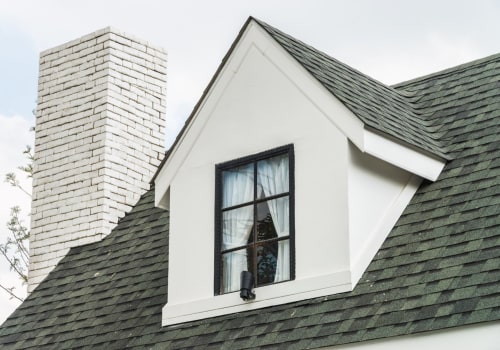
For instance, asphalt shingles are one of the most common roofing materials used in residential buildings. During an inspection, look for signs of curling, cracking, or missing shingles, which may indicate that the roof is nearing the end of its lifespan. Additionally, check for granule loss, as this can affect the shingles' ability to protect against UV rays and other environmental factors. On the other hand, metal roofs are known for their durability but require different inspection criteria. When assessing a metal roof, examine seams and fasteners for rust or corrosion.
Look for any dents or scratches that might compromise the protective coating. It's also important to inspect any flashing around vents or chimneys, as this is often where leaks can occur.
Tile roofs
, while aesthetically pleasing, can be more fragile. Inspect for cracked or broken tiles and ensure that they are properly aligned.Pay attention to the underlayment as well; if tiles are missing, it could lead to water damage beneath. Choosing a qualified roofing contractor is a crucial step in ensuring your roof is inspected and maintained properly. Start by asking for recommendations from friends or family who have had positive experiences. When interviewing potential contractors, inquire about their licensing and insurance to confirm they are qualified to perform the work. Additionally, ask about their experience with your specific type of roofing material and request references from previous clients. Pay attention to the underlayment as well; if tiles are missing, it could lead to water damage beneath. Choosing a qualified roofing contractor is a crucial step in ensuring your roof is inspected and maintained properly. Start by asking for recommendations from friends or family who have had positive experiences. When interviewing potential contractors, inquire about their licensing and insurance to confirm they are qualified to perform the work. Additionally, ask about their experience with your specific type of roofing material and request references from previous clients.
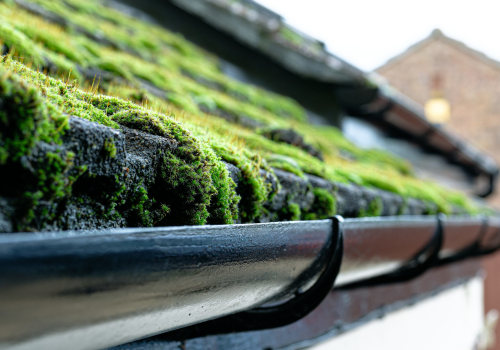
It’s also wise to discuss warranties on both materials and labor to protect your investment. In addition to professional inspections, homeowners should implement essential maintenance tips to extend the life of their roofs. Regularly clearing debris such as leaves and branches from gutters and valleys will help prevent water buildup, which can lead to leaks. Checking for overhanging tree branches is also important; trimming them back can minimize the risk of damage during storms. Furthermore, conducting seasonal checks after severe weather events can help identify potential issues before they escalate. If you do notice problems such as leaks or damaged shingles during your inspections, understanding common repair solutions can be beneficial.
For minor leaks, applying a roofing sealant may suffice; however, more significant damage may require replacing entire sections of shingles or tiles. It's important to address these issues promptly to avoid further complications like mold growth or structural damage. For those considering performing DIY roof inspections safely, there are practical methods to follow. Always use a sturdy ladder and ensure it is placed on level ground before climbing. A safety harness is recommended if you need to walk on the roof itself.
Essential tools for DIY inspections include binoculars for examining hard-to-reach areas and a flashlight to inspect darker spots like attics or under eaves. While conducting your inspection, look for issues like discoloration on ceilings indoors that may indicate leaks or signs of water damage. The debate between DIY inspections versus hiring professionals often arises among homeowners. On one hand, DIY inspections can save money and empower homeowners with knowledge about their property. However, without proper training or experience, individuals may overlook critical issues that a professional would catch.
Professionals bring expertise and a trained eye, which can be invaluable in maintaining roof integrity. In conclusion, understanding what to look for during inspections is vital for effective roof maintenance. By recognizing the specific needs of different roofing materials and choosing qualified contractors when necessary, homeowners can ensure their roofs remain functional and safe for years to come.
Choosing the Right Roofing Contractor
When it comes to roof inspections, hiring the right contractor is crucial for ensuring that the job is done properly.Key qualifications
to look for include experience, certifications, and insurance. A contractor with a solid track record and proper licensing demonstrates their expertise in the field. Before making a decision, ask potential contractors the following questions: How long have you been in business? This helps gauge their level of experience.Can you provide references? Speaking with previous clients can offer insight into the contractor's work quality and reliability.
What type of warranty do you offer?
A strong warranty can provide peace of mind regarding the longevity of repairs. Additionally, inquire about their approach to safety and whether they have adequate insurance coverage. This not only protects them but also safeguards you as the homeowner. By taking the time to carefully evaluate these factors, you can ensure that your roof inspection is conducted by a qualified professional.. This not only protects them but also safeguards you as the homeowner. By taking the time to carefully evaluate these factors, you can ensure that your roof inspection is conducted by a qualified professional.Common Repair Solutions
During roof inspections, it's crucial to identify frequent roofing problems to address them promptly and effectively.One common issue is missing shingles, which can occur due to weather damage or aging. Replacing missing shingles not only restores the roof's integrity but also prevents leaks that can lead to further damage. Another prevalent problem is leaks. Leaks can be caused by various factors, including poor installation, damaged flashing, or wear and tear over time. To repair leaks, it's important to locate the source and seal it properly, often requiring the expertise of a roofing professional.
Cracked tiles
are also a frequent concern, especially for tile roofs.Repairing cracked tiles may involve replacing them entirely or applying a sealant to mitigate further deterioration. Addressing cracked tiles is essential to maintain the roof's functionality and appearance.
Roof sagging
is another serious issue that can indicate structural problems. This may require reinforcing the underlying framework or even partial roof replacement, depending on the extent of the damage. Regular inspections can help catch such issues early, preventing costly repairs down the line. Lastly, damaged flashing can lead to significant water intrusion if not addressed.Repairing or replacing flashing around chimneys, vents, and skylights ensures that these areas remain watertight, protecting the overall structure of the roof.
DIY Roof Inspection Methods
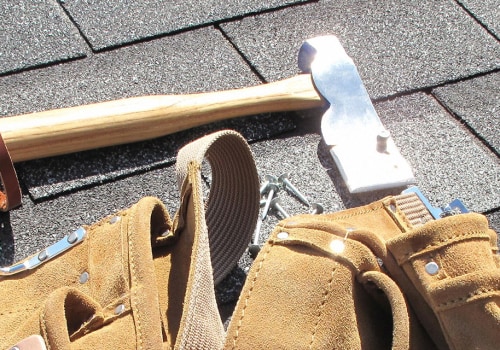
Performing regular roof inspections is crucial for maintaining the integrity of your roof. However, many homeowners are hesitant to climb up and check their roofs themselves. To facilitate safe and effective inspections, here are some DIY roof inspection methodsDIY roof inspection methods you can employ. First, always prioritize safety. Before you begin, ensure that you have the right equipment, such as a sturdy ladder, safety harness, and non-slip shoes.It's also wise to have a buddy system in place; never inspect your roof alone in case of an emergency. Start your inspection from the ground. Use binoculars to check for visible issues such as missing shingles, sagging areas, or debris accumulation. This initial step can help you identify potential problems without risking your safety. If you decide to climb onto the roof, take your time and move slowly. Begin at the ridge and work your way down, checking for signs of wear and tear on shingles and flashing.
Look for cracks, blisters, or missing materials, which can indicate larger issues down the line. Pay attention to the roof's drainage system as well. Ensure gutters and downspouts are clear of debris to prevent water pooling, which can lead to leaks and structural damage. Finally, document your findings with photos and notes. This will help you keep track of any issues over time and provide a reference for professional inspections if needed.
By following these DIY roof inspection methods, you can proactively maintain your roof's health and avoid costly repairs in the future.
Essential Maintenance Tips
Regular roof maintenance is crucial for prolonging the lifespan of your roof and preventing costly repairs. Here are some actionable tips for homeowners to ensure their roofs remain in optimal condition:1.Inspect Regularly: Schedule routine inspections at least twice a year, ideally in spring and fall. Check for any visible signs of damage, such as missing shingles or leaks.2.Clean Gutters:
Keep gutters and downspouts free of debris to ensure proper water drainage. Clogged gutters can lead to water pooling and potential roof damage.3.Trim Overhanging Branches:
Regularly trim trees near your roof to prevent branches from damaging shingles during storms or high winds.4.Remove Debris:
Clear off leaves, twigs, and other debris from the roof surface to avoid moisture buildup that can lead to mold and rot.5.Check Flashing:
Inspect roof flashing around chimneys, vents, and skylights for any signs of wear or damage.Ensure that flashing is properly sealed to prevent leaks.
6.Monitor Interior Conditions:
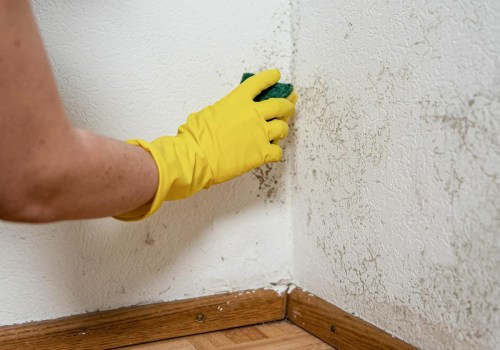
Regularly check for signs of water stains or mold growth on ceilings and walls inside your home, as these can indicate roof leaks.7.Apply Protective Coatings:
Consider applying a protective coating to your roof to enhance its durability and resistance to weather elements.8.Hire Professionals:
If you notice significant damage or feel uncertain about performing maintenance tasks, don’t hesitate to hire a professional roofing contractor for a thorough inspection and necessary repairs. By following these essential maintenance tips, homeowners can take proactive steps in caring for their roofs, ensuring they remain safe and functional for years to come.Understanding Different Roofing Materials
When conducting roof inspections, it is essential to understand the characteristics and specific inspection requirements of various roofing materials. Each type of roofing material has its own unique features, durability, and maintenance needs, which can significantly affect the overall integrity of the roof.Asphalt Shingles
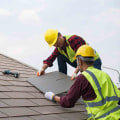
are among the most common roofing materials due to their affordability and ease of installation. During inspections, look for curling, cracking, and missing shingles, as these can indicate aging or damage. Regular inspections can help identify these issues early, preventing potential leaks and costly repairs.Metal Roofing
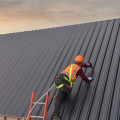
is known for its longevity and resistance to extreme weather conditions.When inspecting metal roofs, check for rust, loose seams, and corrosion. Ensure that all fasteners are secure and that there are no signs of water pooling, as these can lead to significant structural issues over time.
Clay and Concrete Tiles
are durable but can be fragile. Inspectors should look for broken or cracked tiles and ensure that the underlayment is intact. These materials require careful handling during inspections to avoid further damage.Slate Roofing
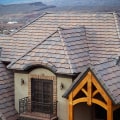
offers a classic aesthetic and exceptional durability.However, slate can be heavy and requires a strong support structure. During inspections, check for loose or damaged slates and ensure that the flashing is intact to prevent leaks.
Flat Roofing
systems, often made from materials like EPDM or TPO, require attention to drainage issues. Inspect for pooling water, cracks, or punctures in the membrane. Regular inspections are crucial as flat roofs can be prone to leaks if not maintained properly. Understanding these different roofing materials and their specific inspection needs can help homeowners and professionals alike maintain the roof's integrity and longevity.By being proactive in your inspections, you can address potential issues before they escalate into costly repairs.
Regular roof inspections
are essential for maintaining the integrity and longevity of your home. By identifying potential issues early, homeowners can prevent costly repairs and ensure that their roofs continue to provide protection against the elements. Neglecting these inspections can lead to significant damage, including leaks, mold growth, and structural problems that could have been easily avoided. We encourage you to take action based on the information presented in this article. Whether it’s scheduling a professional inspection or conducting your own DIY roof inspection, being proactive about your roof maintenance is key.Remember, a well-maintained roof not only safeguards your home but also enhances its overall value. Make regular inspections a priority in your roof maintenance routine. By doing so, you’ll ensure the safety and comfort of your home for years to come.