When it comes to maintaining the integrity of your home, repairing metal roof seams is a crucial task that should not be overlooked. Whether you are dealing with leaks, rust, or general wear and tear, the seams of your metal roof are often the first areas to show signs of distress. If left unattended, these minor issues can escalate into significant problems, potentially costing you thousands in repairs. This article aims to equip you with essential tips and techniques that will empower you to tackle seam repairs on your own, saving you both time and money. Metal roofs are known for their durability and longevity, but like any material, they require regular upkeep to ensure they perform at their best.
Understanding how to properly repair these seams not only prolongs the life of your roof but also enhances its appearance and functionality. In this guide, we will walk you through various methods for repairing metal roof seams, providing step-by-step instructions and expert advice along the way. No matter your level of experience, our practical insights will help demystify the repair process and give you the confidence to take on this DIY project. So, roll up your sleeves and prepare to learn everything you need to know about maintaining one of your home’s most vital components—the metal roof. When it comes to repairing metal roof seams, understanding the various types of metal roofs and their seam designs is crucial. Metal roofs are known for their durability and longevity, but they come with specific challenges, especially at the seams.
The most common types of metal roofs include standing seam, corrugated, and flat seam designs. Each of these has its own unique seam structure, which plays a pivotal role in the overall integrity of the roof. Standing seam roofs have raised seams that interlock vertically, providing an excellent barrier against water intrusion. Corrugated metal roofs, on the other hand, feature wavy patterns that can create vulnerable points if not properly sealed.
Flat seam roofs consist of sheets laid side by side, making them susceptible to leaks if seams are not adequately maintained. Seams are critical points in roofing systems because they are where different panels meet and can be prone to various issues. Common problems that arise include rust, corrosion, and improper installation. Rust occurs when moisture gets trapped in unsealed seams, leading to deterioration over time. Corrosion can happen due to exposure to harsh weather elements or chemicals.
Additionally, if seams are not installed correctly, they can create gaps that allow water to seep through, resulting in leaks and potential structural damage. To effectively address these issues, homeowners can follow a few DIY methods for repairing metal roof seams. The first step is to inspect the seams thoroughly for any signs of damage or wear. Once identified, cleaning the seams is essential before applying any sealants. This can be done using a wire brush or a power washer to remove dirt, debris, and any rust present.
After cleaning, allow the area to dry completely before proceeding. Next, applying a high-quality sealant specifically designed for metal roofs is crucial. This sealant should be flexible and durable enough to withstand temperature fluctuations. Carefully apply the sealant along the seams using a caulking gun, ensuring that it fills any gaps or cracks. For additional protection against water intrusion, homeowners can also use flashing materials around critical areas such as joints and penetrations.
Flashing acts as a barrier that directs water away from seams and enhances overall waterproofing. While many homeowners may feel confident in their ability to perform these repairs themselves, there are instances where it is best to call a professional. If extensive damage is present or if safety is a concern—such as working at significant heights or in adverse weather conditions—it may be wise to seek expert assistance. Professionals have the experience and tools necessary to assess the situation accurately and execute repairs safely. Real-life examples illustrate the effectiveness of these techniques in repairing metal roof seams. For instance, one homeowner noticed persistent leaks during heavy rains.
After inspecting the seams themselves and finding rust buildup, they opted for a DIY approach—cleaning the seams thoroughly and applying a high-quality sealant. The result was a substantial reduction in leaks during subsequent rainstorms, demonstrating how effective proper maintenance can be. However, it's important to acknowledge that opinions on whether to repair or replace metal roof seams can vary widely among experts and homeowners alike. Some argue that if seams show significant wear or damage, replacement might be more cost-effective in the long run. Others maintain that with proper maintenance and timely repairs, a metal roof can last for decades without needing complete seam replacements. Ultimately, understanding both the techniques involved in repairing metal roof seams and recognizing when to seek professional help will empower homeowners to make informed decisions about their roofing systems.
Through proactive maintenance and timely repairs, many common issues associated with metal roof seams can be effectively managed, ensuring a durable and leak-free roofing solution.
Understanding Metal Roof Seams
Metal roof seams are critical components of any metal roofing system, playing a vital role in both the aesthetic and functional aspects of the roof. Understanding the different types of seams is essential for effective maintenance and repair. One common type is the standing seam, characterized by vertical panels that interlock at the seams. This design elevates the seams above the plane of the roof, which helps to prevent water from infiltrating. Standing seams are typically made from materials like galvanized steel, aluminum, or copper, offering durability and longevity. Another popular option is the corrugated seam.Corrugated metal roofing features wavy, ridged panels that provide strength and rigidity. This type of seam is often used in agricultural and industrial settings due to its ability to shed water efficiently and withstand harsh weather conditions. Additionally, there are flat seams, which consist of two sheets of metal that are joined together without elevation. While flat seams can be aesthetically pleasing, they require careful sealing to prevent leaks, making them less ideal for areas with heavy rainfall. Each type of metal roof seam has its unique characteristics and maintenance requirements. Understanding these differences is crucial for homeowners looking to repair or maintain their metal roofs effectively.
Common Problems with Metal Roof Seams
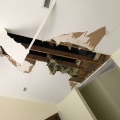
Metal roofs are renowned for their durability and longevity, yet repairing metal roof seams remains a crucial aspect of maintenance.Over time, various issues can arise at the seams, leading to serious complications if not addressed promptly. One of the most prevalent problems is leaks. When seams are not properly sealed or begin to deteriorate, water can seep through, causing damage to the underlying structure and potentially leading to mold growth. Homeowners often report that even a small crack can result in significant water intrusion during heavy rain.
Rust
is another common issue associated with metal roof seams. Moisture trapped in the seams can promote rust formation, especially if the protective coating has worn away.This deterioration not only compromises the integrity of the roof but can also lead to costly repairs if left unchecked. Additionally, deterioration of the seams can occur due to exposure to harsh weather conditions, including extreme temperatures and high winds. Over time, this can result in loose or separated seams, further increasing the risk of leaks and structural damage. Addressing these common problems early on is essential for maintaining the longevity and performance of your metal roof. Regular inspections and prompt repairs can save homeowners from more extensive and expensive issues down the line.
When to Hire a Professional
While many homeowners are capable of repairing metal roof seams on their own, there are certain scenarios where seeking professional help is not only advisable but essential. Understanding these situations can save time, money, and ensure safety during the repair process. One key scenario is when the damage is extensive.If you notice significant rust, large holes, or multiple seams that are failing, a professional can assess the situation more accurately. They have the experience to determine whether a simple repair will suffice or if a full replacement of the affected areas is necessary. Another important factor is safety. Working on a metal roof can be hazardous, especially if the roof is steep or high. If you are uncomfortable with heights or lack proper safety equipment, it’s wise to hire a professional who is trained in working at heights and knows how to navigate potential dangers safely. Additionally, if you lack the tools or materials required for a proper repair, hiring a professional can be a good option.
Professionals have access to specialized tools and high-quality materials that may not be readily available to DIYers, ensuring that the repairs are durable and effective. Finally, consider hiring a professional if you are unsure about the repair process. While there are many resources available for DIY repairs, sometimes the complexity of the repair may exceed your skill level. In such cases, it’s better to invest in professional assistance to guarantee that the job is done right the first time.
DIY Repair Techniques
Repairing metal roof seams is a crucial aspect of maintaining the integrity of your roofing system.Inspecting
your roof seams regularly can help identify potential issues before they escalate into costly repairs.Start by visually examining the seams for any signs of wear, rust, or damage. Use binoculars for a closer look if you cannot safely access the roof. Once you've identified any problematic areas, it's time to clean the seams. Begin by removing any debris, such as leaves or dirt, that may have accumulated along the seams. A soft brush or broom can be effective for this task.
For stubborn grime or rust, consider using a mixture of water and mild detergent. Apply this solution with a sponge or cloth, scrubbing gently to avoid damaging the metal surface. Rinse thoroughly with water and allow the area to dry completely. The next step is to repair the seams. If you’ve found any cracks or gaps, you’ll need to use a high-quality sealant specifically designed for metal roofs.
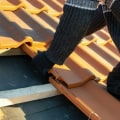
Apply the sealant generously to the damaged area using a caulking gun, ensuring it fills the entire gap. Smooth out the sealant with a putty knife for an even finish. For larger holes or tears, consider using a patch made of matching metal flashing. Secure the patch in place using roofing screws and seal around the edges with sealant. Finally, to ensure long-lasting results, conduct a final inspection of your repairs after they’ve cured.
Regular maintenance checks will help prolong the life of your metal roof and prevent future issues.
Maintenance Tips for Longevity
Maintaining your metal roof seams is crucial for ensuring their longevity and preventing costly repairs down the line. Regular maintenance practices can help you avoid common issues such as leaks and corrosion.1.Inspect Regularly:
Schedule routine inspections of your metal roof seams at least twice a year, ideally in the spring and fall. Look for signs of wear, such as rust, loose fasteners, or gaps in the seams. Early detection can save you from more significant problems in the future.2.Clean Debris:
Keep your roof clear of debris, including leaves, branches, and dirt.Accumulated debris can trap moisture against the seams, leading to corrosion and weakening of the materials. Use a soft-bristle broom or a leaf blower to gently remove debris.
3.Check Sealant Integrity:
The sealant used on your metal roof seams is critical for preventing leaks. Periodically check the integrity of the sealant and look for cracks or peeling. If you notice any issues, reapply sealant to ensure a watertight barrier.4.Control Vegetation:
Ensure that nearby trees and vegetation are trimmed back to prevent branches from rubbing against the roof or falling onto it during storms.Overhanging branches can damage the seams and create entry points for moisture.
5.Manage Snow and Ice:
In regions with heavy snowfall, it's essential to manage snow and ice buildup on your roof. Use a roof rake to remove excess snow and prevent ice dams from forming at the seams, which can lead to leaks.6.Hire Professionals When Necessary:
If you notice significant damage or if you're unsure about performing repairs yourself, consider hiring a professional roofer. Experts can assess the condition of your seams and provide the necessary repairs or maintenance to extend their lifespan. By incorporating these maintenance tips into your routine, you can help ensure that your metal roof seams remain in excellent condition, protecting your home from leaks and structural damage. In conclusion, maintaining your metal roof seams is crucial for ensuring the longevity and effectiveness of your roof. As discussed, repairing metal roof seams can prevent serious issues such as leaks that might otherwise lead to costly damages.Regular inspections and timely repairs are essential in identifying potential problems early and addressing them before they escalate. By understanding the common problems associated with metal roof seams and employing the appropriate DIY repair techniques, homeowners can save both time and money. However, it’s equally important to recognize when to hire a professional for repairs, particularly in more complex situations or if you feel uncertain about tackling the repairs yourself. Ultimately, whether you choose to go the DIY route or enlist the help of experts, the key takeaway is to remain proactive in maintaining your metal roof seams. This approach will not only enhance the durability of your roof but also provide peace of mind for years to come.